
Understanding consumer market behavior is essential for any brand that wants to attract, convert, and retain customers in a competitive landscape. Today’s consumers are exposed to countless choices, product variations, and marketing messages every single day—making their behavior more dynamic and complex than ever. Businesses that fail to understand these behavioral shifts end up guessing their marketing strategies instead of targeting their audience with precision.
This guide breaks down what consumer market behavior is, why it matters, the factors shaping it, patterns of buying behavior, segmentation models, analysis frameworks, real-world examples, and how businesses can apply these insights to their marketing and advertising strategies.
What Is Consumer Market Behavior?
Consumer market behavior refers to the actions and decision-making processes consumers go through when identifying needs, searching for solutions, evaluating options, making purchases, and responding post-purchase. It reflects not only what people buy, but why, how, when, and under what influences they make purchasing decisions.
It includes everything from emotional triggers and cultural influences to personal preferences, economic conditions, and digital interactions. Understanding these behaviors allows marketers to shape campaigns, product strategies, and communication in a way that aligns with how consumers naturally think and act.
Consumer behavior is not static—it evolves with trends, technology, life stages, and changing societal norms. Effective marketers monitor these shifts constantly and adapt accordingly.
Why Understanding Consumer Market Behavior Matters
Better Targeting and Segmentation
By analyzing behavior, marketers can move beyond broad demographic targeting and segment audiences based on actions, motivations, and purchase patterns. Behavior-based segmentation is far more effective than simply targeting by age or gender because it reflects real intent and interest levels, allowing for highly personalized campaigns.
Improved Messaging and Creative Strategy
When you understand consumer motivations, fears, desires, and decision-making styles, you can craft messaging that resonates deeply. Whether you’re appealing to convenience seekers, price-sensitive buyers, or brand-loyal customers, behavior insights ensure your creative speaks directly to what matters most to each group.
Smarter Product and Experience Decisions
Consumer behavior reveals how customers use products, where they struggle, what features they value, and why they might switch brands. These insights help businesses optimize product features, improve user experience, reduce friction, and create offerings that match real-world needs.
Also Read – Training Your Team on Buying Behavior Segmentation
Stronger Retention and Loyalty
Behavior data helps brands identify loyal customers, at-risk segments, and what triggers long-term engagement. By understanding the patterns behind repeat purchases, churn, and brand advocacy, companies can create tailored retention strategies that extend customer lifetime value.
Key Factors That Influence Consumer Market Behavior
Several internal and external forces shape marketing decisions. Understanding these factors helps brands predict consumer actions and design strategies that align with behavior patterns.
Psychological Factors
Consumers’ perceptions, motivations, beliefs, attitudes, and learning processes strongly shape how they interpret brands and make decisions. A consumer might choose a brand because it aligns with their self-image or because past experiences formed positive associations. Emotions such as trust, fear, excitement, and aspiration all play a role, and effective marketing taps into these psychological drivers to influence decisions.
Social Factors
Family, friends, peer groups, and online communities significantly influence consumer choices. Recommendations from trusted peers often outweigh traditional advertising. Social media amplifies this effect: influencers, user-generated content, reviews, and social proof all shape how consumers evaluate brands. Social belonging and acceptance can be major factors behind trends and purchase decisions.
Cultural Factors
Culture shapes values, beliefs, traditions, and norms that influence buying habits. From lifestyle choices to dietary preferences, cultural upbringing affects what people consider necessary, desirable, or acceptable. Businesses that understand cultural nuances craft more relevant campaigns, especially when operating across different regions or demographics.
Personal and Lifestyle Factors
A person’s occupation, age, lifestyle, and economic situation directly impact their behavior. A college student, a working parent, and a retiree will each show different preferences, spending patterns, and motivations. Lifestyle changes—such as moving, having a child, or switching jobs—can dramatically shift purchase behavior, meaning marketers must constantly reassess audience needs.
Economic Factors
Income level, inflation, economic stability, and overall purchasing power influence what consumers buy, how often they buy, and which brands they choose. During economic downturns, consumers prioritize needs over wants, seek better deals, and favor value-driven brands. In growth periods, premium products, upgrades, and aspirational purchases increase.
Technological Factors
Digital transformation has fundamentally reshaped consumer behavior. Online reviews, search engines, mobile apps, personalized recommendations, and instant gratification through fast delivery all change expectations. Consumers now demand seamless, intuitive, and personalized digital experiences—and brands that fail to meet these expectations lose relevance quickly.
Patterns and Types of Consumer Buying Behavior
Different products and situations require different levels of involvement from consumers. Understanding these patterns helps marketers tailor campaigns for attention, persuasion, and conversion.
Complex Buying Behavior
This occurs when consumers make high-involvement purchases with significant differences between brands. Examples include cars, appliances, or expensive software tools. Consumers conduct deep research, compare features, read reviews, and evaluate risks. Marketers need to offer detailed information, educational content, strong differentiation, and trust-building messages.
Dissonance-Reducing Buying Behavior
Here, consumers spend effort evaluating options but perceive minimal differences between brands—such as flooring, insurance, or certain commodities. Because buyers fear making a wrong choice, post-purchase reassurance and confidence-building messaging (warranties, guarantees, testimonials) are crucial.
Habitual Buying Behavior
For low-involvement, low-risk products (like groceries or household essentials), consumers often purchase out of habit without much thinking. Brand salience, availability, and consistent experience matter more here than detailed persuasion. Marketers focus on reminder ads, loyalty loops, and strong distribution.
Variety-Seeking Buying Behavior
In some categories (such as snacks, beverages, apps, or entertainment), consumers enjoy trying new options. They switch brands not because of dissatisfaction but out of curiosity. Marketers must emphasize novelty, frequent updates, limited editions, and attention-catching creative to stay relevant.
The 5 Stages of the Consumer Buying Journey
Understanding the consumer decision-making journey helps marketers deliver the right messages at the right moment.
1. Need or Problem Recognition
A buying journey begins when a consumer identifies a problem or desire—whether triggered by ads, life events, or internal needs. Brands must position themselves as the solution by highlighting pain points, aspirations, and gaps consumers experience.
2. Information Search
Consumers look for potential solutions across search engines, social media, product descriptions, reviews, influencers, and brand websites. Content marketing and ads tailored to research-driven behavior are critical at this stage.
3. Evaluation of Alternatives
Consumers compare features, prices, reviews, and unique benefits. Competitive differentiation, social proof, and transparent value propositions help brands stand out.
4. Purchase Decision
Factors like discounts, ease of purchase, trust signals, and urgency influence the final decision. Reducing friction through easy checkout, fast delivery, and guarantees can make or break conversions. Failure rates during payment should also be monitored and dealth with promptly.
5. Post-Purchase Behavior
After purchasing, consumers evaluate satisfaction. Positive experiences lead to brand loyalty, reviews, and referrals; negative experiences lead to churn. Brands must nurture customers with onboarding, support, and engagement programs.
Must See – Successful Behavioral Target Audience Strategies
Behavioral Segmentation: Turning Psychology into Targeted Marketing
Segmenting consumers based on behavior helps businesses deliver personalized marketing that feels relevant and timely.
Segmentation by Purchase Frequency
This divides customers into one-time buyers, occasional buyers, and frequent buyers. Each group requires different strategies—such as win-back campaigns for dormant customers or VIP programs for loyal buyers.
Segmentation by User Status
Prospects, first-time buyers, regular users, and churned customers all behave differently. Tailoring offers to each segment—for example, onboarding flows for new customers and reactivation sequences for inactive ones—improves conversion and retention.
Segmentation by Loyalty and Engagement
Understanding who your promoters, passives, and detractors are helps shape both product strategy and messaging. Loyal customers respond better to exclusive access, while detractors may need improved value or reassurance.
Segmentation by Customer Journey Stage
Awareness, consideration, purchase, and retention each require unique content and ad targeting. Awareness-stage consumers need education; consideration-stage users need comparison content; purchase-stage users need incentives; retention-stage users need personalized offers.
How to Analyze Consumer Market Behavior (Step-by-Step)
A structured analysis approach ensures insights can be turned into marketing actions.
1. Define Your Objective
Establish whether your goal is to increase sales, reduce churn, improve targeting precision, or optimize product adoption. Clear objectives shape the entire analysis.
2. Gather Behavioral Data
Use a combination of analytics, CRM data, surveys, heatmaps, customer interviews, social listening, and ad performance metrics. This forms the foundation for understanding what customers actually do, not just what they say.
3. Segment Your Audience
Group consumers based on behavior patterns such as engagement levels, purchase habits, journey stage, or lifetime value. Segmentation allows you to create targeted, effective campaigns for each cohort.
4. Identify Patterns and Insights
Look for trends like common drop-off points, product preferences, triggers that lead to conversion, or behaviors linked to churn. Identify what high-value customers have in common and what differentiates low-value segments.
5. Translate Insights into Strategy
Turn findings into actionable improvements—new messaging, updated creatives, revised pricing, improved onboarding, enhanced customer experience, or refined retargeting strategies.
6. Test, Measure, and Iterate
Consumer behavior changes over time. Continuously test new ideas, monitor performance, and adapt your segmentation and messaging to stay aligned with evolving consumer preferences.
Watch Out – Advanced Tactics in Behavioral Segmentation of Starbucks
Applying Consumer Market Behavior Insights to Advertising
Understanding consumer behavior is only valuable when applied to real marketing execution.
Behavior-Informed Targeting
Behavioral signals help advertisers create precise targeting groups—such as cart abandoners, recent website visitors, high-value buyers, or inactive customers. These groups can be used for retargeting, exclusion lists, or value-based lookalikes for acquisition.
Behavior-Driven Creative & Messaging
Different behaviors require different creative approaches. For example, complex buyers need educational content, whereas habitual buyers respond well to brand consistency. Variety-seeking customers need fresh creatives, while loyal customers respond to exclusivity.
Funnel Optimization Based on Behavior
Mapping behavior to stages of the funnel helps identify areas where users drop off and where messaging needs refinement. You can use insights to guide ad sequencing, retargeting paths, and incentive timing.
Using Tools Like AdSpyder to Understand Competitor Behavior
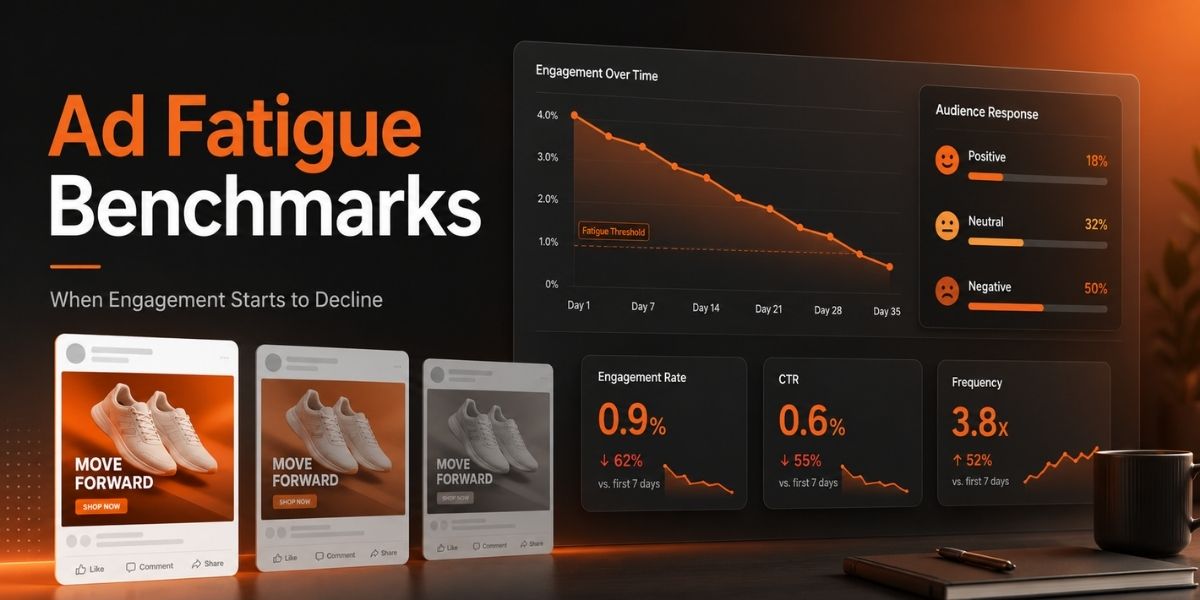
AdSpyder provides visibility into competitor ads, hooks, formats, and creative angles. By analyzing what performs well in your industry, you can align ad strategy with consumer behavior trends, test new message angles, and avoid creative fatigue.
Common Mistakes When Interpreting Consumer Behavior
Relying Only on Demographics
Demographics alone cannot predict intent or motivation. Behavioral data—such as past actions, preferences, and engagement patterns—is far more reliable for targeting and personalization.
Failing to Update Segments Over Time
Consumer behavior shifts due to new trends, life changes, or economic conditions. Stagnant segmentation leads to irrelevant messaging and weak performance.
Ignoring Post-Purchase Behavior
Many brands focus solely on acquisition and overlook retention. Studying post-purchase satisfaction, loyalty, and churn provides enormous opportunities for growth.
Generalizing from Small or Biased Samples
Avoid assuming that the behavior of a small subset represents the entire audience. Broader datasets and objective analysis lead to better decision-making.
Must See – Consumer Buyer Behavior
FAQs About Consumer Market Behavior
What is the difference between consumer behavior and customer behavior?
Consumer behavior refers to the overall buying public; customer behavior focuses on people who already buy from your brand.
How often should consumer behavior analysis be done?
Quarterly is ideal, but fast-paced industries may require monthly reviews.
Is consumer behavior more important than demographics?
For marketing effectiveness, behavior is usually more predictive than demographics.
Does consumer behavior change over time?
Yes—technology, trends, life stages, and economic conditions all influence behavior shifts.
Can small businesses analyze consumer behavior effectively?
Yes—simple tools like analytics, CRM insights, and surveys provide valuable behavior data.
Conclusion
Understanding consumer market behavior gives businesses a competitive advantage by revealing not only what customers want but also why they want it and how they make decisions. When you combine behavioral insights with strategic segmentation, compelling messaging, and targeted advertising, you create customer experiences that feel personalized and impactful.
Whether you’re optimizing product design, improving ad targeting, crafting new offers, or developing retention strategies, consumer behavior insights guide every major decision. With tools like AdSpyder, brands can analyze competitor messaging, identify behavioral patterns in their market, and refine their advertising strategies based on real-world consumer signals.