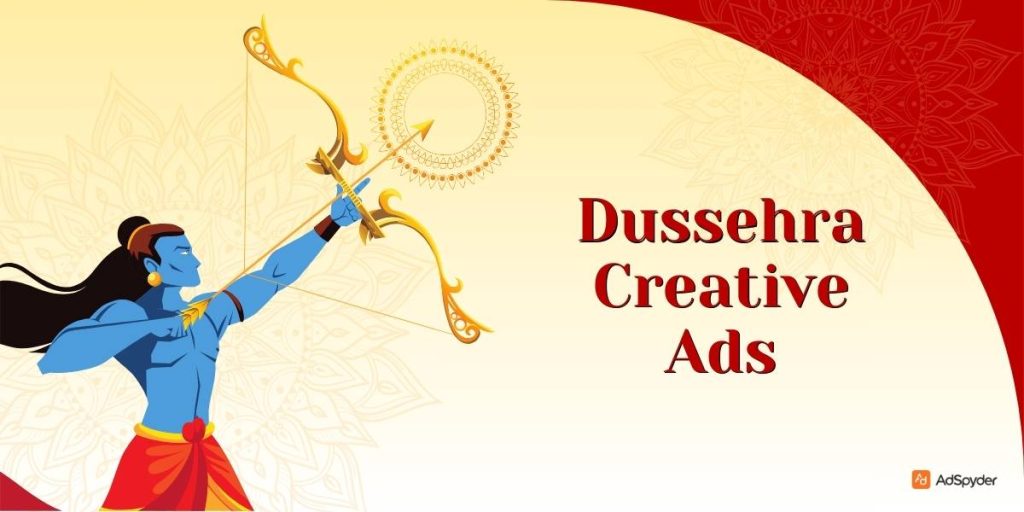
Dussehra, or Vijayadashami, is one of India’s most celebrated festivals. It symbolizes the triumph of good over evil. It also commemorates Lord Rama’s victory over Ravana and Goddess Durga’s slaying of the demon Mahishasura. Observed with grandeur across the country, Dussehra is not only a religious occasion but also a cultural and social celebration that unites people in joy and festivity. For brands, Dussehra Creative Ads offers a special opportunity to connect with audiences on an emotional and cultural level.
Falling just before Diwali, it marks the beginning of the festive season—a time when consumers are cheerful, receptive, and actively seeking experiences and offers. This makes it an ideal moment for marketers to craft campaigns that resonate, foster engagement, and create meaningful connections with their audience.
The Power of Festive Advertising
Festive advertising has long been a cornerstone of marketing strategies in India. Festivals are not only moments of cultural celebration but also powerful drivers of consumer spending. People indulge in shopping for clothes, electronics, automobiles, jewelry, home décor, and more. The heightened consumer sentiment during festivals like Dussehra directly influences purchasing behavior, making it an ideal time for brands to launch campaigns and promotions.
A Surge in Consumer Spending
- Festive seasons account for nearly 30–35% of annual retail sales in India.
- According to industry estimates, online festive sales in India crossed ₹90,000 crore in 2023, with electronics, fashion, and home goods leading the demand.
- The period between Dussehra and Diwali witnesses a 20–25% surge in ad spending by major brands.
This rise in consumer spending makes Dussehra an ideal occasion for brands to launch promotions, new products, and large-scale campaigns.
Emotional and Cultural Resonance
- Dussehra symbolizes victory of good over evil, which brands often use as a metaphor for overcoming challenges, innovating, or driving positive change.
- Campaigns tap into emotional values like:
- Family bonding
- Renewal and hope
- Community celebrations
- Gratitude and generosity
- Family bonding
- Such campaigns strengthen brand affinity and build trust by aligning with the audience’s cultural mindset.
Higher Audience Engagement
- Consumers are more receptive to brand messaging during festive periods.
- Engagement metrics often spike by 30–40% during major Indian festivals compared to regular months.
- Uplifting, story-driven ads are more likely to be:
- Shared on social media
- Discussed within communities
- Remembered even after the festival ends
- Shared on social media
This makes Dussehra an ideal platform for building brand recall and long-term emotional equity.
Also Read – Hospital Diwali Creative Ads
Strategic Media Planning
Most brands integrate Dussehra campaigns into a larger festive marketing calendar that runs until Diwali.
They invest across platforms:
- Television and print for mass reach
- Social media, YouTube, and influencer marketing for digital engagement
- In-store branding and experiential marketing to drive conversions
This omnichannel approach ensures brands stay top-of-mind when purchase intent peaks.
Creative Themes Used in Dussehra Ads
Successful Dussehra campaigns stand out because they creatively blend cultural symbolism with brand messaging. Instead of being mere festive greetings, they tell stories that resonate emotionally and reflect the values of the festival. Over the years, several recurring creative themes have emerged that brands adapt in unique ways.
1. The Symbolism of Victory
The most prominent and timeless theme of Dussehra is the victory of good over evil. Brands often reinterpret this symbolism to align with their brand purpose or product offerings.
Common creative approaches:
- Showing individuals overcoming personal challenges such as fear, self-doubt, or failure, presented as their “Ravana.”
- Portraying social evils like discrimination, gender bias, or pollution as modern-day demons to be defeated collectively.
- Featuring aspirational stories of ordinary people achieving extraordinary feats through determination and support from loved ones.
Why it works:
This theme naturally aligns with the central story of Dussehra and carries a strong emotional charge. It allows brands to position themselves as enablers of positive transformation, which audiences find inspiring and uplifting.
2. Family and Togetherness
Another dominant creative route focuses on relationships, bonding, and shared celebrations. These ads emphasize how Dussehra is a time for reunions, family meals, and gift-giving.
Typical elements:
- Narratives showing long-distance family members making the effort to reunite during Dussehra.
- Emotional depictions of parents, grandparents, and children celebrating traditions together.
- Products portrayed as bridges that connect people emotionally — such as travel, communication, or gifting-related brands.
Why it works:
This theme taps into nostalgia and collective cultural memory. It appeals strongly to Indian audiences who value family ties and traditions, making such ads highly relatable and shareable.
3. Modern and Quirky Spins
Not all Dussehra ads are emotional or traditional. Many brands take a fresh, light-hearted, or humorous approach to stand out in the cluttered festive season.
Creative tactics include:
- Using pop culture references to depict Ravana or other mythological figures in a fun, modern setting.
- Designing minimalist visual campaigns that use the Ravana ten-head motif in witty ways.
- Creating meme-style campaigns on social media that deliver festive greetings with humor.
Why it works:
These campaigns grab attention from younger demographics and generate high engagement on digital platforms. They also position the brand as youthful, bold, and unconventional.
4. Purpose-driven and Cause-led Messaging
An increasingly popular route is using Dussehra as a backdrop to promote a social cause or brand purpose. The festival’s theme of defeating evil makes it a natural metaphor for fighting real-world issues.
Examples of themes brands choose:
- Gender equality and women’s empowerment (slaying the “Ravana” of gender bias)
- Environmental conservation (defeating pollution or plastic waste)
- Road safety, cyber safety, or misinformation (battling the “modern demons”)
Why it works:
Cause-led storytelling builds brand goodwill and differentiates the brand from competitors who may be using more generic festive messaging. It shows cultural sensitivity and social responsibility, which increasingly matter to younger, socially aware consumers.
5. Product-centric Storytelling With Cultural Context
While overtly promotional ads are often ignored during festivals, some brands succeed by seamlessly weaving their products into the Dussehra narrative.
Typical examples:
- Auto brands showing families buying a new vehicle as a symbol of victory and progress.
- Home décor or furniture brands portraying home makeovers as part of festive renewal.
- Food and beverage brands linking festive feasts with their products through storytelling.
Why it works:
This approach connects functional benefits with emotional context, making the product relevant without appearing sales-driven.
These creative themes demonstrate that Dussehra ads can be much more than symbolic greetings. When executed well, they carry strong narratives that align brand values with cultural emotions. Brands that understand these core themes are better positioned to create campaigns that resonate, engage, and remain memorable long after the festival ends.
Related –Diwali Real Estate Ads
Showcase of Memorable Dussehra Ads
To understand how brands creatively leverage Dussehra, it is useful to examine some campaigns that stood out in recent years. These examples show how varied creative strategies can be while still remaining rooted in the festival’s core symbolism.
Tata Motors – “Drive the Good in You”
Concept:
Tata Motors launched its Durga Puja campaign titled “Drive The Good In You” to celebrate the spirit of goodness, tradition, and togetherness. The ad beautifully captured the festive atmosphere of Durga Puja in Kolkata, using rich cultural visuals and emotional storytelling to encourage people to embrace the good within themselves.
Creative Highlights:
- Deep cultural localization with Bengali settings, décor, and atmosphere to connect strongly with regional audiences.
- Featuring a popular Bengali film star to build familiarity and trust.
- Evoked themes of community bonding, values, and shared celebration rather than focusing purely on sales.
- Seamless integration of Tata vehicles into the storyline without disrupting the emotional tone.
- Supported by a 360-degree festive campaign including TV, digital, outdoor, radio, influencer engagement, and showroom experiences.
Impact:
The campaign struck a chord with audiences and garnered millions of views across digital platforms within days. It generated strong emotional engagement, especially among Bengali audiences, and enhanced Tata Motors’ image as a brand that understands and celebrates local culture.
Key Takeaways for Marketers
- Regional and cultural personalization can significantly increase emotional resonance.
- Emotional storytelling aligned with festive values builds brand warmth and long-term affinity.
- Omnichannel rollouts amplify campaign visibility and recall during high-competition festive periods.
- Subtle product placement within emotional narratives prevents the content from feeling overly commercial.
Policybazaar – “Dussehra 2021”
Concept:
Policybazaar created a Dussehra campaign in 2021 that presents a larger-than-life narrative to deliver a strong message. The ad uses the structure and imagery of Dussehra — the defeat of evil — as a metaphor to communicate how customers can overcome risks and uncertainties by making wise insurance decisions. The creative is disruptive in that it goes beyond typical insurance advertising to connect emotionally through storytelling tied to a culturally powerful festival.
Creative Highlights:
- The storyline leverages Dussehra’s mythological backdrop (good vs evil) to frame insurance as a tool for protection and peace of mind.
- Dramatic visuals and possibly metaphorical villains representing financial risks, unknown dangers, or life’s uncertainties.
- Strong messaging — likely about securing one’s future, protecting loved ones, or defeating unseen threats.
- Emotional tone rather than purely transactional; it positions the brand as a partner in helping people fend off risks — the “evil” in their lives.
Impact:
- Creates recall because using a mythological festival like Dussehra makes the message more memorable.
- Helps the brand stand out among insurance adverts which often stick to rational arguments (features, policies, rates).
- Builds trust by tapping into audience emotions and fears, rather than shying away from them.
- Likely increased discussion and sharing among viewers because it’s not a run-of-the-mill insurance ad — people tend to remember ads that invoke a strong metaphor or narrative.
Key Takeaways for Marketers:
- Using festival metaphors (like defeating evil) can be a powerful way to frame abstract offerings like insurance in relatable terms.
- Emotional storytelling helps in moving audiences from thinking about price/features toward thinking about safety, security, peace of mind.
- Disruption (doing something beyond the usual “compare, buy, protect” story) can attract attention in cluttered sectors like insurance.
- It’s important to balance the metaphor with clear messaging so the audience still knows what the brand is offering and how it helps.
Edelweiss – Dussehra 2021
Concept:
Edelweiss created a Dussehra-themed ad in 2021 that uses the traditional symbolism of the festival—victory, letting go of negativity, and renewal—to frame the idea of financial well-being and growth. The ad encourages viewers to reflect on their financial journey, to overcome bad habits or fears (“financial demons”), and to embrace more responsible or forward-looking investment behaviour.
Creative Highlights:
- Uses festival imagery and mood as emotional anchor: Dussehra rituals, motifs of overcoming evil, lighting, etc., to invoke a sense of renewal and optimism.
- Metaphor of confronting financial fears or “vices” that hold people back from investing or planning ahead.
- Tone is more contemplative than celebratory, instructing or inspiring, rather than purely festive cheer.
- The branding is tied to Edelweiss’ financial services in a way that positions them as enablers or guides for financial upliftment.
- Visuals likely designed to balance warmth (festival ambiance) with trustworthiness (professional/investment context).Impact:
- Because of the metaphorical framing, the ad stands out among financial service ads which often rely on dry or technical messaging.
- Viewers are more likely to remember an ad that connects emotionally with their fears, hopes, or aspirations around money.
- Helps Edelweiss differentiate by being a brand that not just offers financial products, but cares about people’s financial confidence and long-term growth.
Key Takeaways for Marketers:
- In sectors like finance, injecting emotional, metaphor-driven storytelling can make messages more memorable.
- Festival themes of victory, overcoming challenge, and renewal map well to financial themes of growth, security, and planning.
- Avoid making the ad overly technical; keep balance so that viewers feel inspired but also clear about what the brand offers.
- Good opportunity for brands to position themselves as partners or guides, not just service providers.
Zomato – “It’s Pujo Time / Delivers On Time” (Durga Puja 2023)
Concept:
Zomato’s 2023 Durga Puja ad captures the contrast between experiencing the festival in person at a pandal vs. being stuck at home. It tells the story of friends who are out enjoying the pandal vibes, while one friend is homebound due to injury. The homebound friend connects via video call and orders Pujo delights through Zomato so he can share in the taste and joy even if he can’t be physically present. The message is that while they can deliver delicious festive food, they cannot deliver all aspects of the pandal experience.
Creative Highlights:
- Uses food and festival ambience as key emotional hooks—traditional Pujo delicacies, vibrant pandals, the social bonding among friends.
- Contrast is central: in-person celebration vs home-based participation. This contrast builds both longing and appreciation.
- Tone blends humour and warmth: there’s a playful interaction among friends, and a gentle reminder that some experiences are unique to being physically present.
- Strong cultural specificity: the ad includes pandal imagery, local Pujo food items that resonate (e.g. Chicken chaap, Fish kobiraji, local sweets), and frequent references to familiar Pujo rituals and ambience.
- Clear brand positioning: Zomato is positioned as the enabler of festive food experiences especially when physical participation is limited.
Impact:
- The campaign resonated especially with those who may be away from home, injured, or otherwise unable to attend festivities, tapping into a deep emotional insight about missing out.
- It got noticed for balancing emotional storytelling with humour, making it memorable in a crowded festive ad space.
- It reinforced Zomato’s brand promise of timely delivery, convenience, and bringing festival flavours to customers wherever they are.
- It received positive responses in media commentary and among consumers for its relevance, relatability, and festive warmth.
Key Takeaways for Marketers:
- Identify real emotional gaps during festivals (like missing out) and use them as narrative tension in ads.
- Use contrast (what people are missing vs what they can still have) to highlight the brand role.
- Cultural specificity (food, local rituals, ambience, settings) makes ads more relatable and trusted.
- Humor paired with emotion often works well—it softens the sense of what’s missing, while celebrating what the brand can provide.
- Ensure that the product/service benefit (here, delivery, variety, speed) is clearly integrated so the ad doesn’t feel like just an emotion-piece without relevance.
John Deere India – “Happy Dussehra, 2024”
Concept:
John Deere India’s “Happy Dussehra, 2024” ad focuses on farmers, presenting them as the unsung heroes who conquer challenges for the nation. The narrative connects the Dussehra theme of triumph over adversity with the everyday resilience of farmers, suggesting that every hurdle they overcome contributes to the country flourishing. The ad salutes this spirit and links it to John Deere’s identity in agriculture, encouraging audiences to recognize and appreciate farmers’ role.
Creative Highlights:
- Uses farming/agriculture as the context rather than festive house-celebrations or urban scenarios, giving a grounded, rural resonance.
- Emphasizes resilience: showing farmers facing natural or operational challenges (weather, soil, equipment, etc.), then rising above them.
- The tone is respectful, aspirational, and earnest—focusing more on tribute and recognition than product-selling or features.
- Strong alignment with the brand’s domain: agricultural equipment, tractors, farm machinery. This makes the messaging feel authentic.
- Visual storytelling shows the environment, the field, the toil, and then a sense of victory—not necessarily dramatic, but emotionally powerful through recognition of effort.
Impact:
- Builds brand goodwill by acknowledging the vital role of farmers and the hardships they endure; this can enhance emotional connection especially in rural and semi-urban segments.
- Differentiates John Deere in festive advertising by taking a less conventional approach: not about lights, gifts, or urban emotional reunions, but about labour, perseverance, and honour.
- Likely strengthens loyalty among existing customers (farmers) while enhancing perception among non-farm audiences of the brand being socially respectful and purpose-driven.
- Reinforces John Deere’s positioning as a partner in agricultural progress, rather than just a seller of machinery.
Key Takeaways for Marketers:
- Honouring real everyday heroes (like farmers) during festivals can be a powerful way to connect with authenticity and respect.
- Aligning with the brand’s core domain (in this case, farming/agriculture) adds credibility—it feels less like a generic festive message, more like a message that only they could deliver.
- Emotional tone works well when it is humble and grounded—not over-theatrical when the subject is real work and struggle.
- Such campaigns may not push for immediate sales but build long-term brand equity, trust, and admiration.
- Visuals and narrative need to focus on the journey (challenges + effort) as much as the outcome; people relate not only to victory but to what was overcome.
Trends in Dussehra Campaigns
Dussehra campaigns have evolved rapidly over the past few years, shifting from simple festive greetings to multi-layered storytelling experiences. As consumer habits, media consumption, and brand strategies change, several clear trends have emerged in how companies craft their Dussehra messaging. These trends highlight the growing sophistication and cultural depth of festive advertising in India.
1. Strong Regional and Cultural Localisation
- Many brands are no longer creating one-size-fits-all national campaigns; they are tailoring content to regional cultures.
- Campaigns often feature local languages, settings, and personalities (as seen in Tata Motors’ Durga Puja ad shot in Kolkata featuring a popular Bengali star).
- This localisation increases emotional relatability and builds stronger connections with audiences who feel their traditions are authentically represented.
- Brands are investing in state-level media plans during the festive season to maximise regional reach.
Why it matters: Cultural familiarity builds trust and improves recall, especially during emotionally charged periods like Dussehra.
2. Thematic Focus on Purpose and Values
- There’s a growing emphasis on value-driven messaging — using Dussehra’s theme of good over evil to spotlight societal issues (e.g., resilience of farmers in John Deere’s ad or defeating financial fears in Edelweiss’ campaign).
- Campaigns are becoming less product-centric and more about inspiring, uplifting narratives.
- This approach creates emotional equity, showing the brand as aligned with societal progress rather than just commerce.
Why it matters: Younger audiences increasingly favour brands that stand for something meaningful and contribute positively to society.
3. Digital-First, Multi-Platform Execution
- Campaigns are now designed to run across multiple touchpoints — social media, YouTube, OTT, influencer networks, radio, and physical activations.
- Short-form content (under 60 seconds) is gaining preference, especially on Instagram Reels and YouTube Shorts.
- Brands like Zomato lean heavily on mobile-optimised formats and witty visuals to maximise digital engagement.
- Integration of online and offline presence is becoming common, with showroom activations, outdoor branding, and influencer tie-ins complementing digital media.
Why it matters: Consumers engage with multiple platforms simultaneously, and integrated exposure drives better recall and conversion.
4. Balance of Emotion and Entertainment
- While emotional storytelling dominates festive campaigns, light-hearted, humorous ads are increasingly used to stand out in the clutter (like Zomato’s warm-yet-playful tone).
- Brands are experimenting with formats such as meme-based content, quirky design, and humorous copy to grab younger demographics.
- Emotional ads like Tata Motors’ or John Deere’s run alongside fun, engaging ones — offering contrast and diversity.
Why it matters: Variety helps capture attention in a crowded festive season; humor drives shares while emotion builds depth.
5. Emphasis on Authentic Product Relevance
- Audiences are more sceptical of ads that feel like generic festive greetings with forced branding.
- Successful campaigns integrate the product or service naturally into the narrative (Zomato as food enabler, Policybazaar as protection from life’s “evils”, Edelweiss as financial growth partner).
- This balance prevents ads from feeling like standalone short films and reinforces brand memorability.
Why it matters: Brand relevance ensures that awareness converts into consideration and eventual sales during the high-spend festive period.
6. Data-Led Campaign Planning and Measurement
- Brands are using consumer insights and campaign analytics to plan festive strategies earlier and measure their success more precisely.
- Engagement rates, sentiment analysis, and share-of-voice tracking are now standard for judging festive campaign ROI.
- This data-backed approach allows quick optimisation of creatives and media spends during the festive window.
Why it matters: The festive period is short but high-stakes, so data-driven agility helps brands maximise return on investment.
Tips for Brands Planning Dussehra Campaigns
Creating an impactful Dussehra campaign requires more than just festive visuals or discount-led offers. The campaigns that stand out are the ones that combine cultural authenticity, emotional resonance, and strategic execution. Based on evolving industry trends and successful examples, here are key actionable tips for brands:
1. Start Early and Plan Strategically
- Build your Dussehra campaign as part of a broader festive marketing calendar extending through Diwali.
- Begin planning at least 8–10 weeks in advance to allow for concept development, content production, and media planning.
- Secure media slots and influencer tie-ups early, as festive ad inventory gets competitive and expensive closer to the dates.
- Create an integrated content calendar covering multiple platforms for consistent messaging.
Why it matters: Early planning prevents rushed creative work and ensures a coherent brand presence throughout the festive season.
2. Anchor the Campaign in Cultural Authenticity
- Incorporate local languages, rituals, foods, visuals, and values relevant to your target region.
- Partner with regional artists or celebrities to enhance cultural trust and familiarity.
- Avoid using generic festive motifs; instead, research how Dussehra is celebrated in specific markets you are targeting.
Why it matters: Cultural authenticity improves relatability and builds emotional bonds with local audiences.
3. Align the Narrative With Dussehra’s Core Theme
Use the festival’s symbolic theme of triumph of good over evil to frame your messaging:
- Overcoming challenges
- Achieving personal victories
- Defeating modern-day evils like pollution, misinformation, or fear
Make sure the theme connects naturally with your brand purpose or product offering.
Why it matters: Audiences resonate more deeply when your message fits the cultural essence of the festival.
4. Combine Emotional Storytelling With Clear Brand Relevance
- Tell authentic stories that evoke joy, nostalgia, or inspiration, but weave your product or service naturally into the narrative.
- Avoid making the campaign feel like a short film with no brand takeaway — balance heart with brand.
- Use your core offering as an enabler of the celebration (e.g. delivery bringing festive food, insurance offering security, machinery empowering farmers).
Why it matters: Emotional content drives attention, but brand relevance drives recall and conversion.
5. Diversify Formats and Platforms
- Break your campaign into platform-optimized formats: long-form films, short social media clips, reels, carousels, memes, influencer posts, and on-ground activations.
- Focus especially on mobile-first design for short videos and thumb-stopping visuals.
- Synchronize timing across channels to maximise reach — launch teasers, build momentum, and peak around Dussehra.
Why it matters: Multi-format execution increases touchpoints and helps your message cut through clutter.
6. Leverage Real-Time Engagement and Measurement
- Track performance in real time using metrics like engagement rates, shares, sentiment, and reach.
- Use social listening to monitor how audiences are responding and adjust content if needed.
- Encourage user-generated content with challenges, hashtags, or giveaways to increase organic reach.
Why it matters: Agile optimization helps you amplify what works best during the short festive window.
Conclusion
Dussehra is no longer just a date on the marketing calendar — it has become a powerful storytelling opportunity. In an era where audiences expect authenticity and meaning from brands, Dussehra campaigns need to go beyond generic greetings or price-driven sales. They must resonate emotionally, reflect cultural nuance, and convey purpose while staying true to the brand’s core proposition.
The most memorable campaigns in recent years have shown that winning hearts during Dussehra often matters more than winning immediate transactions. Whether it’s celebrating farmers’ resilience, enabling festive food experiences, helping people defeat financial fears, or inspiring them to embrace the good within, these campaigns connect because they mirror the values people celebrate during the festival.
For marketers, Dussehra is a moment to be bold yet rooted, creative yet consistent, emotional yet strategic. Brands that master this balance stand to gain not just festive visibility, but lasting trust and goodwill — the kind that continues well beyond the season.
FAQs on Dussehra Creative Ads
Why is Dussehra an important time for brand advertising?
Dussehra signals the start of India’s peak festive season, a period when consumer sentiment is high and spending tends to increase. It gives brands a prime opportunity to connect emotionally with audiences and enhance visibility ahead of Diwali.
What makes a Dussehra ad stand out?
Ads that incorporate authentic cultural elements, strong emotional storytelling, and a clear connection to the festival’s theme of triumph over challenges stand out from generic festive greetings.
Should Dussehra campaigns focus on emotion or products?
A balance works best. Emotional narratives capture attention, while subtle integration of products or services ensures the brand stays memorable and relevant.
How early should brands start planning Dussehra campaigns?
Ideally, planning should begin 8–10 weeks in advance to secure media space, develop creative concepts, and coordinate production across multiple channels.
What platforms work best for Dussehra ads?
An integrated approach is most effective — combining TV, digital video, social media, influencer marketing, print, and on-ground activations maximizes reach and recall.
Can small brands run impactful Dussehra campaigns?
Absolutely. Smaller brands can create high-impact campaigns. They need to focus on localized cultural storytelling and cost-effective digital content. Small brands can harvest community-driven engagement strategies.