Fashion advertising has changed permanently. Today’s shoppers don’t want to be shown “what’s trending.” They want to be shown what fits them—their body, their taste, their lifestyle, their mood, and even their calendar. This is why personalized fashion ads have moved from an optional tactic to a core growth engine for modern brands.
Unlike traditional mass fashion advertising, personalization allows brands to:
-
Match products to real intent
-
Reduce decision friction
-
Increase relevance instantly
-
Improve ROAS without relying on aggressive discounts
This shift toward relevance mirrors what has happened across other seasonal categories. For example, Christmas book ads personalize recommendations by reading preferences. Christmas food ads tailor menus by dietary choices. Fashion now follows the same relevance-first path.
This guide walks through how to build effective personalized fashion campaigns—from segmentation and dynamic creatives to ad formats, landing page optimization, and common pitfalls.
Why Personalized Fashion Ads Work Exceptionally Well
Fashion is not a functional purchase. It’s an identity purchase. And identity always responds best to personalization.Fashion as Self-Expression
People don’t buy clothes to “own” them—they buy clothes to be something: confident, elegant, athletic, minimal, bold, creative. Personalized ads align directly with this self-expression by showing:
-
Styles that match personal taste
-
Fits that reflect real body types
-
Looks that mirror lifestyle
When shoppers feel seen in an ad, they stop scrolling.
Fast Trend Cycles & Variant Overload
Fashion moves too fast for generic ads. Styles change weekly, and one product often comes in:
-
Multiple colors
-
Multiple fits
-
Multiple price tiers
Personalized fashion ads solve this by dynamically showing:
-
The right color to the right buyer
-
The right price bracket to the right budget segment
-
The right fit to the right body profile
Standing Out in an Oversaturated Market
Fashion ads dominate social platforms. Without personalization, most blend into visual noise. Dynamic, audience-specific creatives act as a filter—cutting through saturation by relevance rather than volume.
The same saturation problem exists in crowded seasonal categories like Christmas home decor ads, where only context-specific creatives cut through. Fashion is no different.
Core Components of Successful Personalized Fashion Ads
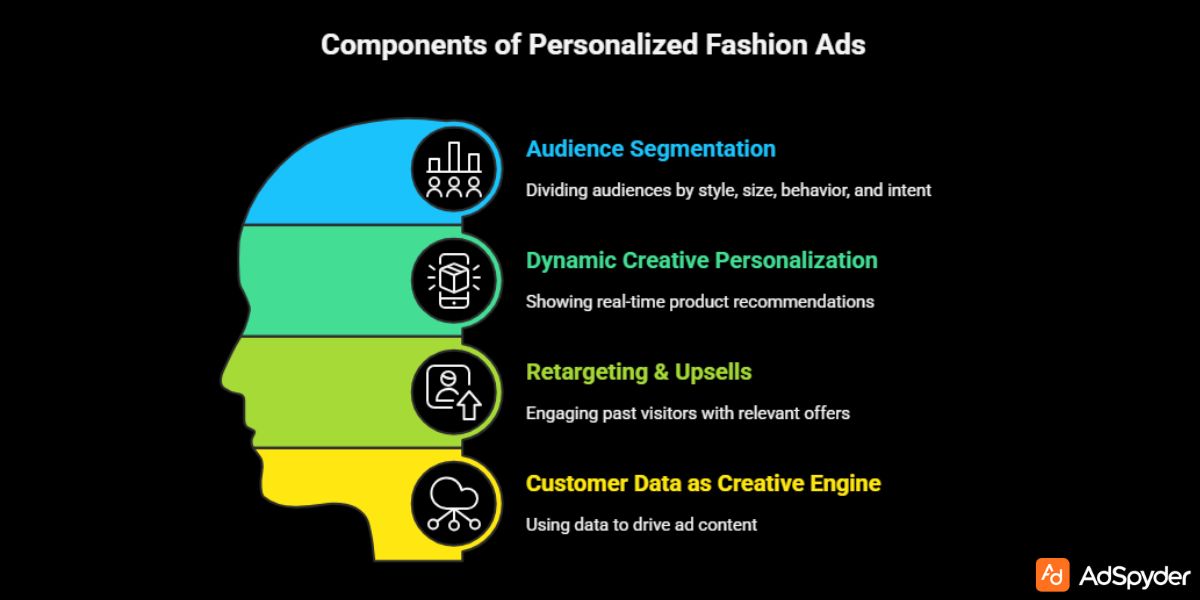
Personalization is not a single tactic—it’s a system. These four components form the foundation.
1. Audience Segmentation Beyond Age & Gender
Basic demographics are no longer enough. High-performing fashion brands segment by:
-
Style preference (streetwear, formal, athleisure, minimalist)
-
Size and fit behavior
-
Past purchase categories
-
Browsing behavior
-
Price sensitivity
-
Seasonal intent (vacation wear, gym wear, festive wear)
Each segment receives different visuals, copy, and offers.
2. Dynamic Creative Personalization (DCO)
Dynamic creatives pull products in real time from your catalog and show:
-
Recently viewed items
-
Similar styles
-
Complementary products
-
Size-available variants
This transforms ads from static promotions into personal shopping windows.
3. Retargeting & Smart Upsells
Retargeting is where most fashion brands unlock profitability:
-
Abandoned cart viewers
-
Product page visitors
-
Repeat buyers
-
Bundle shoppers
Smart upsells use personalization to show:
-
Matching accessories
-
Outfit pairings
-
Premium upgrades
4. Customer Data as a Creative Engine
Your strongest creative signals come from:
-
First-party data
-
Website behavior
-
CRM history
-
Loyalty programs
This data doesn’t just inform targeting—it drives which images, products, and messages appear in each ad.
Best Ad Formats for Personalized Fashion Ads
| Campaign Goal | Best Ad Format | Platforms | Why It Works |
|---|---|---|---|
| Inspire discovery | Short-form video, Reels | Instagram, TikTok, Pinterest | Shows movement, fabric flow, and fit |
| Compare styles | Carousel ads | Meta, Pinterest | Displays multiple variants quickly |
| Personalized recommendations | Dynamic product ads | Meta, Google Shopping | Auto-tailored to each user |
| Full outfit funnels | Collection ads | Instagram, Facebook | “Shop the look” journeys |
| Retargeting | Dynamic remarketing | Meta, Google | High-intent conversion engine |
Fashion demands motion. Static images struggle unless the product is exceptionally styled.
Creative Approaches for High-Converting Personalized Fashion Ads
Using Lifestyle Context to Personalize Emotion
People don’t dress for products—they dress for moments. Effective personalized creatives position outfits within:
-
Workdays
-
Gym sessions
-
Travel moments
-
Social events
-
Festivals and holidays
This mirrors emotional framing used in Christmas health ads, where lifestyle context matters more than product features.
Fit & Size Personalization
Showing models that reflect real body diversity dramatically increases confidence and conversion. Ads personalized by:
-
Height
-
Body structure
-
Fit preference
reduce hesitation and return rates.
Seasonal & Trend Personalization
Trend-aligned personalization shows:
-
Current color trends
-
Event-driven fashion edits
-
Weather-based wardrobe selections
This keeps your brand visually relevant across the year.
UGC & Customer Stories
User-generated content adds:
-
Trust
-
Relatability
-
Social validation
Personalized UGC ads showing people “like me” wearing the product consistently outperform studio-only creatives.
Landing Page & UX in Personalized Fashion Ads: Converting the Click
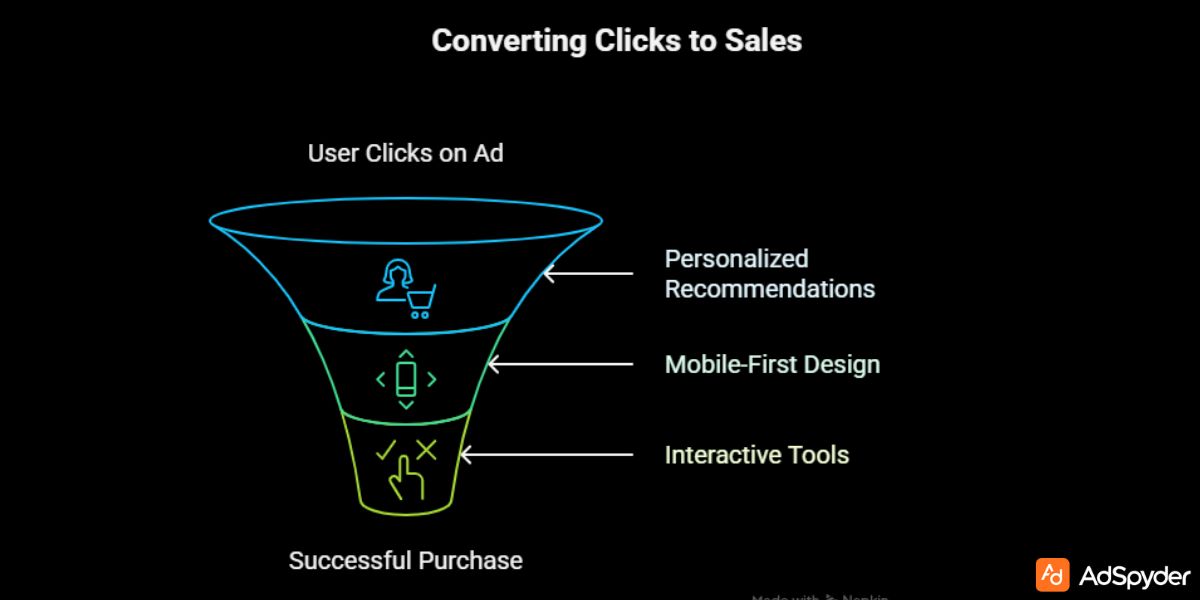
Personalized ads fail when landing pages feel generic.
Personalized Product Recommendations
Landing pages should auto-surface:
-
Recently viewed items
-
Style-matching collections
-
Size-available variants
Mobile-First Design & Visual Speed
Most fashion browsing happens on mobile. Pages must:
-
Load instantly
-
Show large imagery
-
Keep filters accessible
Size Guides, Fit Tools & Smart Filters
Interactive fit tools and filters reduce friction and build buying confidence.
Content Marketing & Style Guides in Personalized Fashion Ads
Personalization extends beyond paid ads. Content adds depth and discovery.
Lookbooks & Seasonal Edits
Examples include:
-
“Minimalist Capsule Wardrobe”
-
“Office-to-Evening Style Edit”
-
“Vacation Outfit Guide”
These act as soft personalization layers for organic users.
Trend-Based Blog Content
Trend-driven content supports discovery, similar to how Christmas food ads rely on seasonal menus and featured dishes to guide buyer behavior.
Evergreen Fashion Guides
These bring steady organic traffic:
-
Styling basics
-
Fabric care
-
Fit education
-
Wardrobe planning
They quietly fuel long-term personalization data.
Common Mistakes in Personalized Fashion Ads
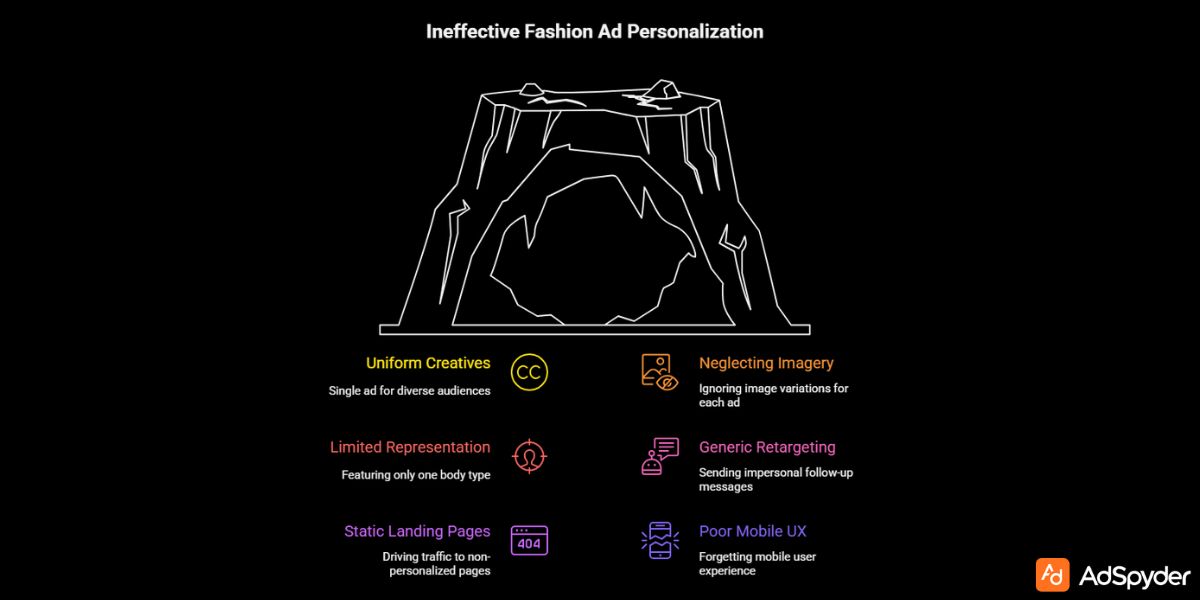
Brands often sabotage personalization by:
-
Using one creative for every audience
-
Ignoring variant-level imagery
-
Featuring only one body type
-
Sending generic retargeting messages
-
Driving traffic to static category pages
-
Forgetting mobile UX entirely
Ironically, many brands that succeed with visually rich storytelling in Christmas home decor ads forget to apply the same visual depth to fashion personalization.
Personalized Fashion Ads Checklist
-
Clear audience segments defined
-
Dynamic product catalog integrated
-
Variant-based creatives designed
-
UGC content layered into ads
-
Retargeting flows activated
-
Personalized landing pages built
-
Size and fit tools implemented
-
Seasonal edits aligned
-
A/B testing in progress
Final Thought: Personalization Is the New Brand Loyalty
Shoppers don’t remember brands that shout the loudest.
They remember brands that felt like they understood them.
Personalized fashion ads achieve this by:
-
Respecting individuality
-
Reducing decision fatigue
-
Making style feel effortless
-
Turning browsing into belonging
In 2026 and beyond, personalization isn’t a growth hack.
It’s the foundation of how fashion brands win attention, trust, and long-term customers.
FAQs – Personalized Fashion Ads
What makes a fashion ad “personalized”?
It’s personalized when the ad content, products, or message are tailored to a user’s interests, behavior, or profile.
Which platforms work best for personalized fashion ads?
Meta (Facebook/Instagram), TikTok, Google, and Pinterest are the strongest for targeting, dynamic product ads, and style discovery.
Do personalized fashion ads really improve ROAS?
Yes. More relevant ads usually get higher engagement, better click-through rates, and more efficient conversions.
What data do I need to run personalized fashion ads?
You mainly need first-party data: browsing behavior, past purchases, product views, and basic profile or preference information.
Are dynamic product ads important for fashion brands?
Very. Dynamic product ads automatically show people items they’ve viewed or similar styles, making each impression more relevant.