

SaaS products solve real problems—but they’re often hard to explain quickly. Features, workflows, integrations, and value propositions don’t always translate well through text alone. That’s why video has become one of the most effective growth tools for SaaS companies. SaaS video marketing goes beyond flashy visuals. When done right, it combines storytelling, education, and product clarity to attract users, convert prospects, and retain customers. This guide breaks down how SaaS companies can use video strategically across the entire customer journey—and how storytelling makes it work.
What Is SaaS Video Marketing?
SaaS video marketing is the use of video content to promote, explain, and support software-as-a-service products. Unlike general video marketing, SaaS video marketing focuses on:
-
Explaining complex products simply
-
Demonstrating real-world use cases
-
Reducing friction in onboarding and adoption
-
Building trust before and after conversion
For SaaS companies, video isn’t just a branding tool—it’s a growth lever tied directly to activation, retention, and revenue.
Why SaaS Video Marketing Matters Today
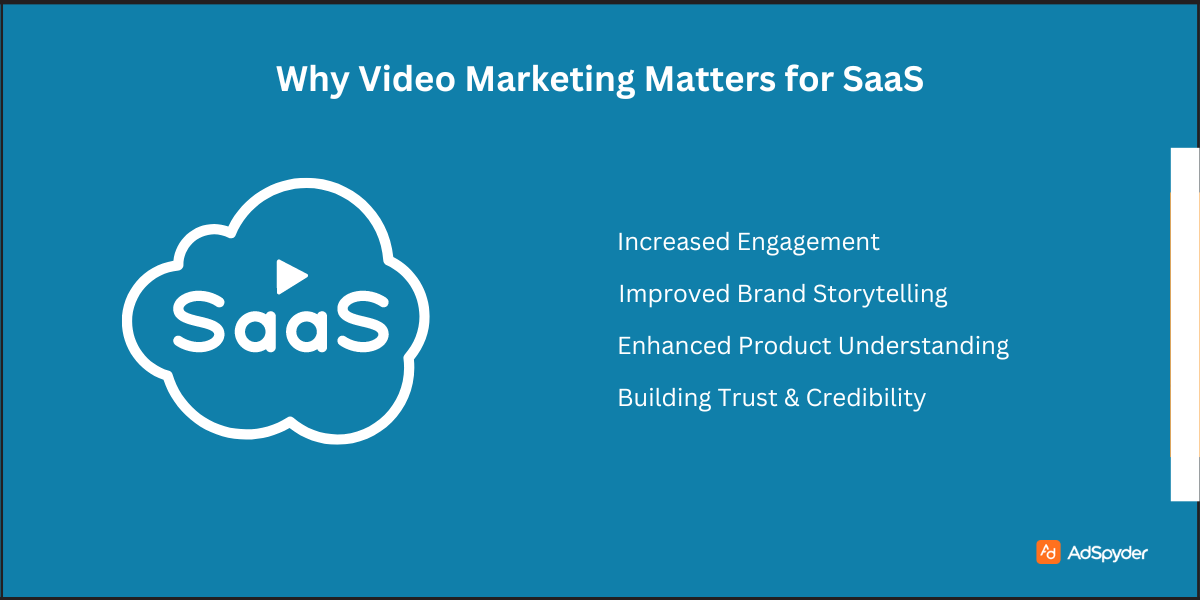
Modern SaaS buyers research extensively before signing up. They want to understand how a product works, how it fits into their workflow, and whether it delivers real value. Video answers those questions faster than any other format.
Strong SaaS video marketing helps:
-
Lower customer acquisition costs
-
Improve conversion rates on landing pages
-
Increase product activation
-
Reduce churn through better onboarding
-
Support product-led growth models
This is especially important in competitive categories where multiple tools offer similar features.
The Role of Storytelling in SaaS Video Marketing
Storytelling is what turns a product walkthrough into a compelling experience. Instead of listing features, effective SaaS videos focus on:
-
The user’s problem
-
The frustration they experience today
-
How the product changes their workflow
-
The outcome they achieve
Great SaaS storytelling follows a simple structure: problem → solution → transformation. This approach helps prospects see themselves using the product, not just watching it.
Essential Video Types for SaaS Video Marketing
Different video formats serve different purposes. High-performing SaaS teams use multiple types across the funnel.
Explainer Videos
Explainer videos introduce your product and clarify its core value. These are often placed on:
-
Homepage hero sections
-
Product landing pages
-
Paid ad destinations
A strong explainer focuses on why the product exists before showing how it works.
Product Demo Videos
Demo videos show the product in action. They help prospects understand workflows, features, and ease of use. Short, focused demos typically perform better than long, feature-heavy walkthroughs.
Customer Testimonial Videos in SaaS Video Marketing

Testimonials provide social proof. Hearing real users explain how a product helped them builds trust faster than claims made by the brand itself.
Onboarding and Tutorial Videos
Once users sign up, onboarding videos guide them through setup and early success. These videos are critical for:
-
Improving activation rates
-
Reducing support tickets
-
Lowering early-stage churn
Educational and Thought Leadership Videos
Educational videos position your brand as an authority. They’re especially useful at the top of the funnel and often perform well on YouTube and social platforms.
Mapping SaaS Video Marketing to the Customer Journey
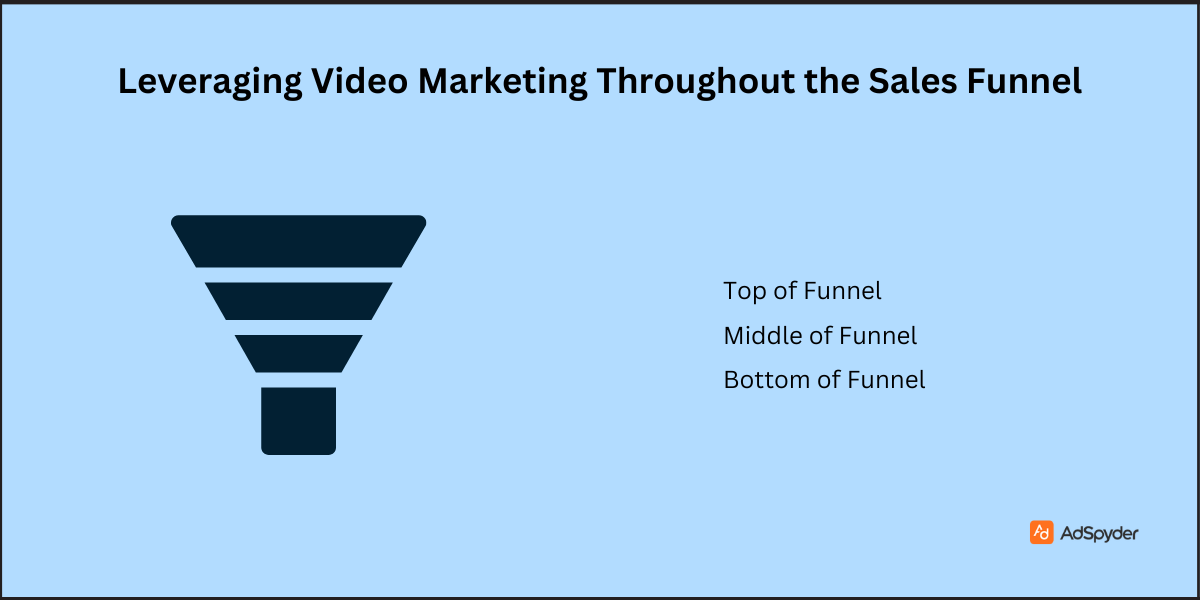
| Funnel Stage | Video Type | Primary Goal |
|---|---|---|
| Awareness | Brand & educational videos | Build trust |
| Consideration | Explainers & demos | Drive evaluation |
| Activation | Onboarding videos | Improve adoption |
| Retention | Tutorials & updates | Increase engagement |
| Expansion | Case studies | Upsell & loyalty |
Aligning video content with user intent at each stage significantly improves results.
Distribution Channels That Work for SaaS Video Marketing
Creating videos is only half the job. Distribution determines performance.
Website and Product Pages
Embedding videos on landing pages often improves conversion rates by clarifying value and reducing hesitation.
YouTube and Search
YouTube works well for educational and evergreen content. Many SaaS brands treat YouTube as a long-term acquisition channel rather than a short-term campaign.
Paid Advertising
Video ads play a major role in SaaS growth. They’re used across:
-
Social platforms
-
Display networks
-
App promotion
For example, while industries differ, frameworks used in paid ad strategies for real estate—such as hyper-targeted messaging and location-based relevance—can inspire SaaS video ad personalization as well.
SaaS companies with mobile products often rely on google app ad campaigns to drive installs and re-engagement using short, performance-driven video creatives.
Email and In-App Messaging
Video thumbnails in emails can increase click-through rates. In-app videos are also effective for feature announcements and onboarding nudges.
The Rise of Short-Form Video in SaaS
Attention spans are shrinking, and platforms are prioritizing fast, engaging content. short form video marketing has become a key part of SaaS strategies, especially on social channels.
Short-form videos work well for:
-
Feature highlights
-
Product updates
-
Tips and quick wins
-
Retargeting ads
These videos don’t replace long-form content—but they complement it by driving quick engagement and awareness.
Using Sound and Music Effectively in SaaS Videos
Visuals matter, but audio plays a bigger role than many teams realize. music and sound in video marketing influence mood, pacing, and emotional response.
In SaaS videos:
-
Subtle background music keeps attention without distraction
-
Sound effects can guide focus
-
Voice clarity builds trust and authority
Good audio quality often separates professional SaaS videos from amateur ones.
Measuring SaaS Video Marketing Success
SaaS teams should track video performance beyond views.
Key metrics include:
-
Watch time and completion rate
-
Click-through rate
-
Conversion rate
-
Activation impact
-
Retention and churn influence
These metrics help tie video performance directly to business outcomes, not just engagement.
Common SaaS Video Marketing Mistakes
Even strong products struggle when video strategy is weak. Common issues include:
-
Overloading videos with features
-
Ignoring user pain points
-
Using the same video for every funnel stage
-
No clear CTA or next step
-
Failing to test and iterate
Avoiding these mistakes improves both performance and user experience.
FAQs: SaaS Video Marketing
What is SaaS video marketing?
It’s the use of video to promote, explain, and support SaaS products across the customer journey.
Why is video important for SaaS companies?
Video simplifies complex products and improves conversion, onboarding, and retention.
What types of videos work best for SaaS?
Explainers, demos, testimonials, onboarding, and short-form videos perform best.
How long should SaaS marketing videos be?
It depends on the goal—short videos for ads, longer ones for education and onboarding.
How do you measure SaaS video marketing ROI?
By tracking conversions, activation rates, retention, and revenue impact.
Final Thoughts
SaaS video marketing works because it meets users where they are—looking for clarity, confidence, and proof. Storytelling turns features into outcomes, and video turns complexity into understanding.
By using the right formats, distributing strategically, and measuring what matters, SaaS companies can turn video into one of their most reliable growth channels—not just a branding asset.
When storytelling and strategy come together, video stops being optional—and starts driving real results.