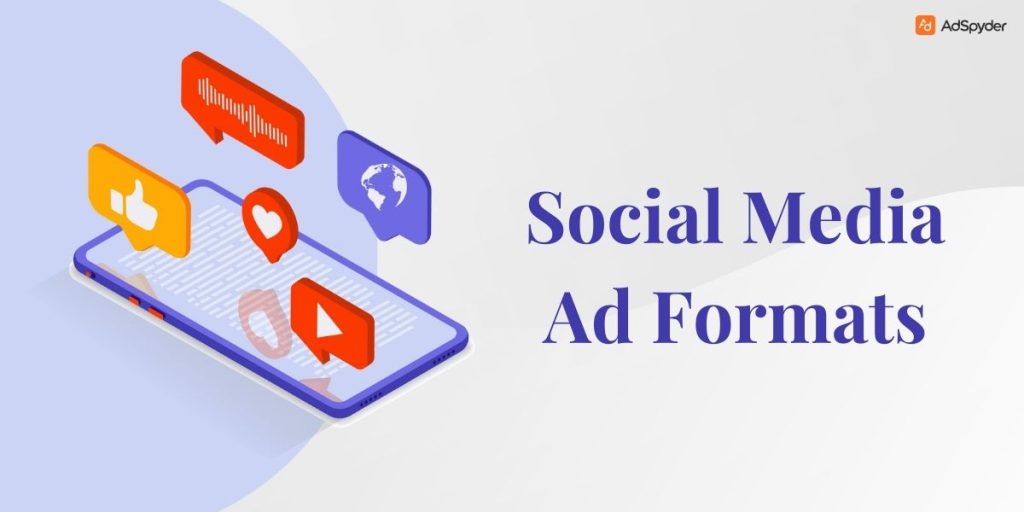
Social media has changed how brands connect with their audiences. Platforms like Facebook, Instagram, LinkedIn, Twitter, and TikTok give businesses access to highly targeted users, letting marketers engage based on demographics, interests, and location. With billions of users worldwide, Social Media Ad Formats is key for brand awareness, lead generation, and direct conversions.
Unlike traditional ads, social media allows real-time analytics, precise targeting, and flexible budgets. Brands can try different ad formats, track results, and adjust campaigns to improve ROI. Plus, social media encourages interactive, shareable content, which helps brands grow their reach organically.
In this blog, we’ll look at three popular ad formats—carousel ads, testimonial ads, and PPC ads—and share strategies, examples, and best practices for success.
What Are Carousel Ads?
Carousel ads are when you swipe through a bunch of images or videos in one ad. Each card has its own image, headline, and CTA. You see them on Facebook, Instagram, LinkedIn, and TikTok. They’re great for showing off different products or telling a story.
Why They Work
- More messages: You can get a few different points across in one ad.
- Keeps people engaged: The swipe feature makes people interact, which is always good.
- Show products: If you’ve got a lot to sell, carousel ads let you show multiple things.
- Made for mobile: Easy to swipe on your phone—where most people are.
- Better results: People usually click more on carousel ads because they’re interactive and have more CTAs.
Best Practices for Carousel Ads
- Keep visuals consistent: Make sure all the cards look like they belong together.
- Tell a story: Arrange the cards to flow logically or tell a story.
- Clear CTAs: Each card should have a simple, easy-to-understand CTA. CTA This should entice users to proceed with the desired action.
- Highlight top products first: Put your best stuff in the first card to grab attention right away.
- Test different orders: Try A/B testing to see which card sequence works best.
Example: An e-commerce fashion brand used carousel ads on Instagram to show off their summer collection. Each card featured a different outfit with a “Shop Now” CTA. Engagement went up 30%, and sales from Instagram traffic increased by 22% compared to single-image ads.
Also Read – Print Advertising Examples
Testimonial Ads
What Are Testimonial Ads?
Testimonial ads leverage user-generated content, customer reviews, or client success stories to build trust and credibility. These ads are highly effective because social proof influences purchasing decisions—people tend to trust the experiences of other users more than direct brand messaging. Platforms such as Facebook, Instagram, LinkedIn, and YouTube support testimonial videos, graphics, or text-based ads.
Benefits of Testimonial Ads
- Builds Trust: Authentic stories from real users enhance credibility.
- Emotional Engagement: Personal experiences often resonate with audiences, driving higher engagement.
- Influences Conversion: Seeing positive results encourages potential customers to take action.
- Versatile Format: Testimonials can be short video clips, carousel cards, or static images with quotes.
Best Practices for Testimonial Ads
- Use real people: Skip the actors; people trust real users more.
- Show results: Include numbers, before-and-after shots, or specific wins.
- Keep it short: Keep videos around 15–30 seconds to hold attention.
- Include a CTA: Always tell viewers what to do next—sign up, buy, visit your site.
Example: A fitness app ran a 20-second testimonial from a user who lost weight using the program. The video was posted as an Instagram in-feed ad and got a 40% higher CTR than regular promo content.
Pay-Per-Click (PPC) Ads
What Are PPC Ads?
PPC (pay-per-click) ads are ads where you only pay when someone clicks on them. You’ve probably seen them all over platforms like Google, Facebook, Instagram, and LinkedIn. What makes PPC so powerful is how easily it can connect businesses with exactly the people they want to reach. Whether your goal is driving traffic to your site, getting more leads, or boosting sales, PPC helps you do that with clear tracking and results. It’s kind of like paying for performance—only paying when someone actually shows interest. This kind of marketing is one of the to-go strategies for digital marketers nowadays.
Benefits of PPC Ads
- Instant visibility: One of the great things about PPC is that it works fast. Once your campaign is set up, your ad can pop up right away in search results or on social media feeds, which means you don’t have to wait weeks to see results.
- Targeted reach: With PPC, you can really hone in on the right people. You can target ads based on who they are, what they like, where they live, and even how they’ve interacted with your brand before. You can use advanced features such as location, income brackets and more, to finetune your audiences.
- Measurable ROI: The beauty of PPC is that it’s measurable. Every click is tracked, so you can immediately see how your campaign is performing. You can adjust and optimize in real-time, making it easier to maximize your return on investment.
- Scalable: If something’s working, you can quickly boost your budget and reach more people. Or, if you want to test out different groups or ad formats, you can scale up or down based on what’s working best for you.
Best Practices for PPC Ads
- Know what your audience is searching for and make sure your ad speaks to that. Connecting with their needs and wants are a surefire way.
- Keep it simple and clear. Tell people exactly what you want them to do — like “Sign up today.” It works better that way. It reduces complications and can be directed towards what you want your audience to do.
- Make sure the landing page matches what you’re offering. If it’s a special offer, make sure that’s clear on the page too. Keep the information they need in hand when they reach the landing pages.
- Test different things. Maybe one headline works better than the other, or a different image gets more clicks — figure it out! Learnings can be transferred to other campaigns also.
Example: A digital marketing platform ran ads targeting “learn digital marketing.” The ones with “Enroll Today” got 35% more conversions than the generic ones.
Explore Now – Native Advertising
Integration Strategies
When you mix carousel, testimonial, and PPC ads, you get a more powerful campaign. Here’s how:
- Sequential Messaging: Start with carousel ads to show off your products, use testimonials to build trust, and end with PPC to close the deal. Using the right flow is crucial for bringing the customer along our intended journey.
- Retargeting: People who engage with your carousels or testimonials can be retargeted with PPC ads to push them to convert. Sometimes, a slight push can convert the users into customers.
- Cross-Platform Consistency: Keep your messaging the same across all platforms like Instagram, Facebook, LinkedIn, and Google Ads. This helps reinforce your message. It greatly improves brand recall and appeal.
- Analytics Integration: Track how people interact with all your ads to figure out which ones work best and give you the highest return. Use the learnings to enhance your ad strategies.
Example: A SaaS company ran a carousel ad for features, followed by testimonial videos, then a PPC ad for people who visited the landing page. This approach boosted trial sign-ups by 28% and cut acquisition costs by 15%.
Common Social Media Ad Mistakes to Avoid
- Overloading Content: Including too much information in carousel cards or ad copy can confuse viewers and dilute the message. Focus on one clear idea per card or ad to maintain clarity.
- Ignoring Targeting Options: Failing to leverage demographic, geographic, or behavioral targeting can result in wasted ad spend and low ROI. Always refine audience segments based on insights from previous campaigns.
- Weak CTA Placement: CTAs should be visible and compelling. Placing them too late or making them unclear can reduce conversions. Use actionable language such as “Shop Now,” “Sign Up Today,” or “Book Your Demo.”
- Inconsistent Branding: Mismatched colors, fonts, or messaging across carousel, testimonial, and PPC ads can confuse viewers and weaken brand recognition. Ensure all creatives align with brand guidelines.
- Neglecting Mobile Optimization: Most social media engagement occurs on mobile devices. Vertical and square formats, concise text overlays, and legible fonts are essential for user engagement.
- Overexposure / Ad Fatigue: Showing the same ad too many times can annoy people and reduce engagement. Switch up your creatives often and use frequency caps to keep things fresh.
- Ignoring Analytics: If you’re not tracking things like CTR, CPC, and conversions, you’re missing out on optimization. You can become complacent, and not keep up with the evolving needs of your customers. Keep an eye on the numbers and adjust your ads when needed.
- Not Testing Different Creatives: Running just one version of an ad limits what you can learn. Test various elements linked to the ad. These can be text placements, image placements, CTAs, etc. This is to see what works best.
- Neglecting Accessibility: If your ads aren’t accessible—like not having captions or readable fonts—you might miss out on a big audience. Make sure your ads are easy to engage with for everyone.
- Misaligned Ad Copy and Visuals: If the text and images don’t match up, it’ll confuse people. Make sure both reinforce the same message.
- Overcomplicating Carousel Sequences: Too many cards or a non-intuitive flow can overwhelm viewers. Keep carousel sequences simple, logical, and engaging to guide the user seamlessly.
Must See – Viral Ad Campaigns
Budget Optimization for Multi-Format Social Media Campaigns
- Allocate by platform performance: Look at which platforms give you the highest CTR and conversions. For example, Instagram might be better for younger audiences, while LinkedIn could be the go-to for B2B. Adjust your budget based on performance.
- Dynamic budget allocation: Use automated bidding to adjust your spend in real time, based on performance metrics like CPC, CTR, and CPA. This helps get the most out of your ad spend across platforms.
- Retargeting budgets: Set aside some of your budget specifically for retargeting people who interacted with carousel or testimonial ads. They tend to convert better, so it’s worth the investment.
- Pilot small campaigns: Start with smaller budgets to test ads before going big. See what works—whether it’s creatives, formats, or audiences—and use that data to inform your larger campaigns.
- Monitor frequency and ad fatigue: Keep an eye on how often users are seeing your ads. If they’re seeing too many without interacting, it might be time to switch things up and rotate creatives.
- A/B testing budget: Set aside a portion of your budget for A/B testing. Try out different headlines, images, and CTA buttons to find what’s most effective, ensuring your campaigns stay cost-efficient.
- Leverage AI Tools for Optimization: Platforms like AdSpyder can automatically suggest creative variations, optimize placements, and highlight underperforming ads for budget reallocation. Use these learnings and optimise the ad campaigns to get desired outputs.
- Budget for Sequential Campaigns: Reserve funds to run multi-touch campaigns. For instance, awareness via carousel ads, engagement via testimonial videos, and conversion via PPC campaigns. This sequential strategy maximizes ROI.
- Adjust for Seasonal Peaks: Increase budgets during high-demand periods such as holidays, back-to-school, or seasonal promotions. Reduce spend during low-traffic periods to maintain cost efficiency.
- Use Performance-Based Reallocation: Regularly analyze ROI per ad format and reallocate budget from underperforming ads to higher-performing creatives. This ensures the most efficient use of marketing spend.
- Consider Cross-Platform Synergies: Allocate budget based on how ad formats complement each other. For example, carousel ads can drive awareness, testimonial ads build trust, and PPC ads capture conversions. The right mix of ad formats is key to ad success.
- Include Contingency Funds: Keep a small portion of your budget flexible for emerging trends, last-minute campaign adjustments, or boosting high-performing ads. These funds make sure that your ad campaigns do not fizzle out in case of emergencies.
Must See – Digital Advertising Formats
Analytics & Metrics
Key metrics for social media ad campaigns include:
- Click-Through Rate (CTR): Measures ad engagement.
- Conversion Rate: Tracks users completing desired actions.
- Cost Per Click (CPC) and Cost Per Acquisition (CPA): Evaluates efficiency of ad spend.
- Engagement Metrics: Likes, shares, comments, and swipe-throughs for carousel ads.
- View-Through Rate: Especially relevant for testimonial and video ads.
Creative Tips
- Maintain a consistent visual theme across carousel, testimonial, and PPC ads.
- Use storytelling to make testimonial ads more relatable.
- Test different hooks, formats, and CTA placements.
- Keep text concise and readable for mobile viewers.
- Highlight key benefits or product features in the first carousel card.
Final Tips for Social Media Ad Formats
- Prioritize Mobile Optimization: Ensure carousel, testimonial, and PPC ads are visually optimized for mobile screens, with readable text and fast-loading creatives.
- Consistency Across Ad Types: Maintain consistent branding, messaging, and tone across all ad formats to build recognition and trust.
- Use Sequential Storytelling: Guide users from carousel ads introducing products, to testimonial ads building credibility, and finally PPC ads prompting conversion.
- Test Creatives Regularly: Continuously A/B test headlines, visuals, CTAs, and card sequences to identify the best-performing combinations.
- Leverage AI Tools: Platforms like AdSpyder can automate creative variations, optimize ad placements, and suggest budget adjustments based on real-time performance.
- Monitor Frequency and Engagement: Prevent ad fatigue by rotating creatives and setting frequency caps.
FAQs About Social Media Ad Formats
What are carousel ads best used for?
Showcasing multiple products, features, or storytelling sequences.
Are testimonial ads effective for B2B?
Yes. Case studies and client reviews build trust and influence decision-makers.
How do PPC ads complement carousel and testimonial ads?
PPC ads can retarget engaged users, driving them to conversion-focused landing pages.
How long should a testimonial video be?
15–30 seconds is ideal for social media.
Can small businesses run multi-format campaigns?
Yes. Tools like AdSpyder simplify creation and optimization of carousel, testimonial, and PPC ads.
How do I measure campaign success?
Track CTR, conversions, engagement metrics, and CPA across all ad types.
How often should ad creatives be refreshed?
Every 2–4 weeks, or sooner if engagement drops, to avoid ad fatigue.
Conclusion for Social Media Ad Formats
Social Media Ad Formats is a powerful tool for businesses seeking to engage audiences, build credibility, and drive conversions. Carousel ads provide interactive multi-product storytelling opportunities, testimonial ads leverage authentic user experiences to build trust, and PPC campaigns ensure targeted traffic and measurable ROI.
By integrating these ad formats, optimizing creative content, continuously monitoring analytics, and testing campaigns, businesses can maximize engagement, conversions, and return on ad spend. Tools like AdSpyder make it easier to create professional-quality ads, manage multiple formats, and optimize campaigns efficiently.
When executed strategically, multi-format social media campaigns can enhance brand visibility, nurture customer trust, and ultimately drive business growth.