Paid affiliate marketing strategies can be one of the fastest ways to scale affiliate revenue—if you treat it like a performance business. The moment you use affiliate marketing paid traffic, your results depend on unit economics, tracking, creatives, compliance, and relentless optimization. This guide breaks down exactly how to win with pay per click affiliate marketing, including facebook ads for affiliate marketing, google ads for affiliate marketing, and other paid channels—without burning budget.
You’ll learn how to pick offers, build a conversion-focused funnel, track profit accurately, and scale the campaigns that work. We’ll also cover how to think about highest paying affiliate programs, affiliate programs that pay, and what “best paid traffic for affiliate marketing” really means depending on your niche.
- Over 80% of brands worldwide use affiliate programs to drive sales and awareness.
- The global affiliate marketing industry is expected to reach $17B by the end of 2025.
- Average affiliate conversion rate across niches is ~2.1% (2025).
- More than 5 billion affiliate links are clicked annually worldwide.
What is Paid Affiliate Marketing?
Paid affiliate marketing is the process of promoting an affiliate offer using paid traffic sources (like Meta, Google, native ads, or PPC networks) so you can drive conversions and earn commissions. Instead of waiting for organic traffic, you buy attention—then earn profit only if your funnel converts.
Because you pay upfront for clicks or impressions, the skill is not “getting traffic.” The skill is making sure your affiliate marketing paid traffic becomes leads or sales at a cost that’s lower than your commission payout. That’s why serious affiliates think like performance marketers, not content creators.
If you want to approach this like a real growth system, learn the mindset and mechanics of paid performance marketing strategies. Paid affiliates who win long-term are basically performance teams with faster testing cycles.
Unit Economics: The Real Reason Most Paid Affiliates Lose Money
Before you launch any pay per click affiliate marketing campaign, you need a simple model: Profit = (Commission per conversion × Conversion rate) − Cost per click. If your conversion rate is 2.1% (a rough cross-niche benchmark) and your payout is low, your allowable CPC is extremely tight. This is why “spray and pray” campaigns die quickly.
- Payout: CPA, revenue share, or hybrid?
- Conversion event: lead, purchase, deposit, trial, app install?
- Allowed traffic: is PPC permitted? brand bidding? direct linking?
- Funnel: pre-lander + landing page + follow-up (email/retargeting)?
- Tracking: do you have subIDs, postbacks, and conversion attribution?
Also remember: “highest paying” doesn’t always mean “highest profit.” Highest paying affiliate programs can have strict compliance, higher competition, and higher CPCs. Sometimes a mid payout offer with stable conversion rates and cheaper clicks wins in the real world.
10 Tips to Succeed with Paid Affiliate Marketing Strategies

The tips below work whether you’re running google ads affiliate marketing, facebook affiliate marketing, or testing native ad networks like Taboola/Outbrain/MGID. Treat them as a system—not random tactics.
1) Choose offers based on EPC + rules, not hype
Start with offers that match your traffic source and have clear terms. Look for strong EPC (earnings per click), consistent approval rates, and clear conversion actions. Many affiliate programs that pay well still restrict paid traffic, so confirm whether PPC is allowed and whether you can direct-link or must use a bridge page.
2) Build a simple pre-lander that improves intent
Cold traffic often needs context. A short pre-lander (quiz, comparison, checklist, or “how it works” explainer) can pre-qualify visitors, reduce refunds, and improve conversion quality. This is especially helpful when promoting highest paying pay per click affiliate programs where compliance and lead quality matter.
3) Track profit at the subID level from day one
If you can’t trace conversions back to the exact ad, audience, keyword, or placement, you can’t scale safely. Use tracking parameters (subIDs), platform pixels, and postbacks where supported. This one habit separates winners from people who “feel” campaigns are working.
4) Start with one channel and master it
Beginners jump across platforms and never learn the underlying mechanics. Pick one: facebook ads for affiliate marketing if you have strong creative angles and audience testing skills, or google ads for affiliate marketing if you can target high-intent queries and build tight keyword funnels.
5) Use competitors to shortcut creative testing
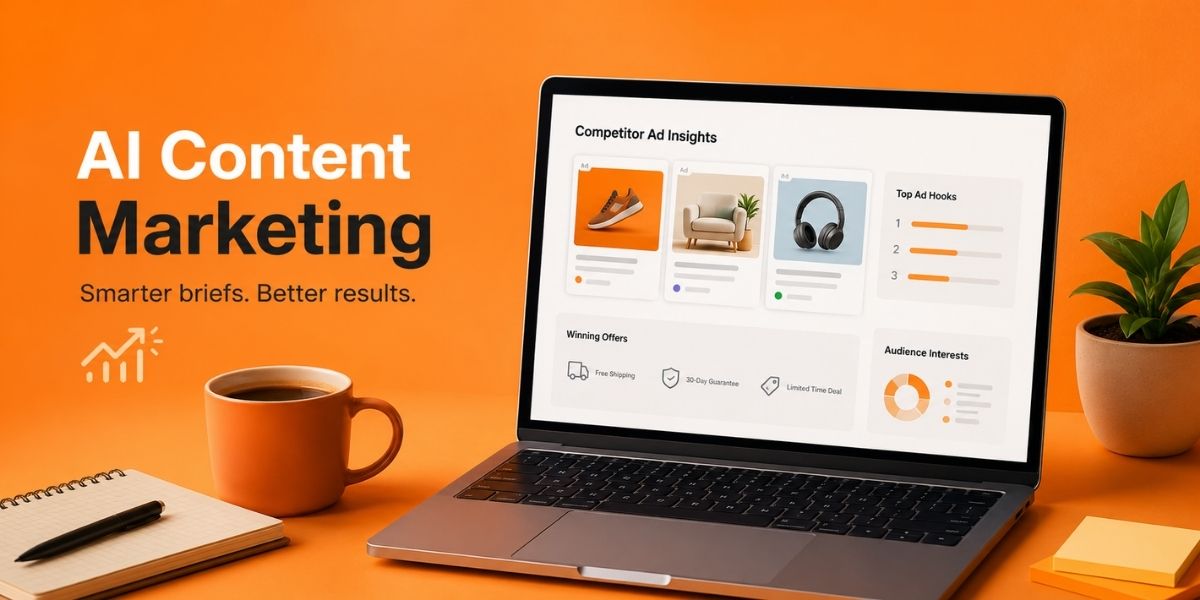
Paid affiliate marketing strategies are creative games. Your hook, headline, offer framing, and landing page structure determine whether your CPC becomes profit. Instead of guessing, analyze what’s already working in your niche. AdSpyder helps you study competitor angles, formats, and landing-page patterns so you can test smarter, faster, and with fewer wasted iterations.
6) Make your targeting narrow first, then expand
In Google ads affiliate marketing, start with high-intent keywords that show the user is ready (e.g., “best”, “pricing”, “review”, “alternative”). In Meta, begin with one clear audience hypothesis and one conversion event. Once you get stable data, expand to broader audiences or lookalikes. Controlled expansion is how you scale.
7) Treat compliance as a growth lever, not a limitation
Ad policies can kill profitable campaigns overnight. Use compliant language, avoid misleading claims, disclose affiliate relationships when required, and follow the offer’s terms. This is especially important in regulated niches. Even if you’re not in a regulated category today, it helps to understand how “edge-case” markets operate— for example, augmented reality in online gambling ads shows how creative innovation still has to live inside strict policy boundaries.
8) Fix funnel friction before you “optimize ads”
Many affiliates obsess over CPC but ignore the landing page experience. If your page is slow, confusing, or doesn’t match the ad promise, you’ll never win. Improve headline clarity, reduce scroll fatigue, add proof, and simplify the conversion step. A small conversion-rate lift often beats any bidding trick.
9) Use retargeting to turn break-even into profit
Cold traffic can be expensive. Retargeting lets you re-engage visitors who clicked but didn’t convert. For affiliate funnels, keep retargeting simple: a reminder angle, a proof angle (reviews/results), and an urgency angle (time-limited bonus). This is one of the highest ROI tactics in facebook affiliate traffic.
10) Scale with systems: budgets, creatives, and testing cadence
Scaling is not “increase budget and pray.” Scaling is repeating what works with controlled changes: new creatives, new angles, new audiences, and new placements—while protecting your best performers. If you want a clean framework for this, apply disciplined experimentation like paid pragmatic marketing strategies so your growth is repeatable, not random.
Best Paid Traffic for Affiliate Marketing (by intent level)
“Best” depends on your offer, funnel, and budget. Use this intent-based view to decide where to start.
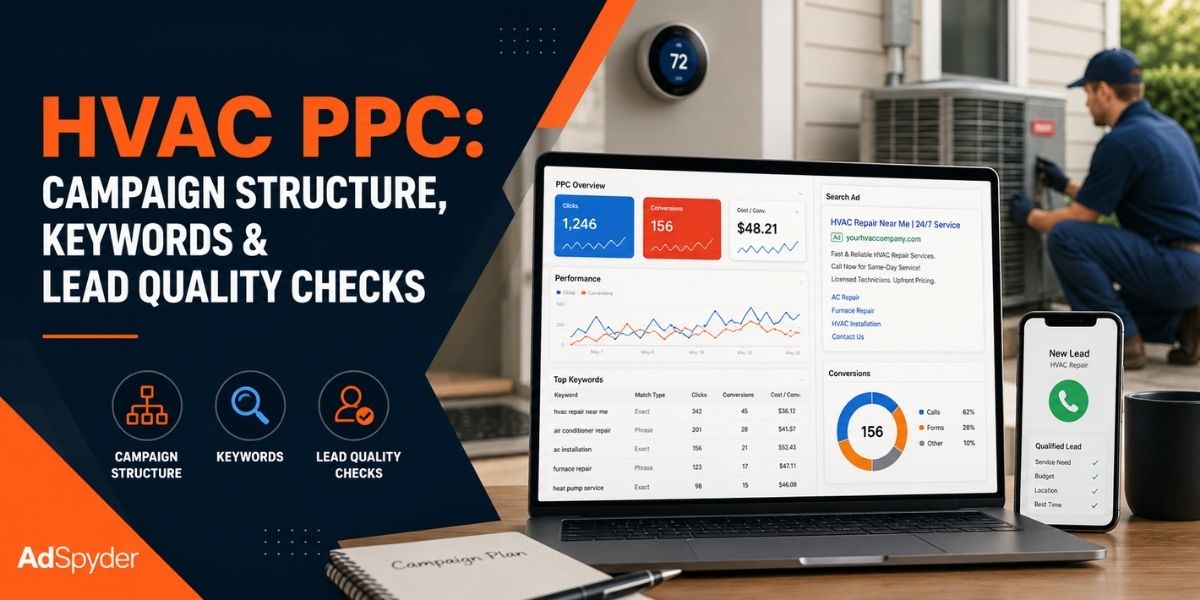
Google ads for affiliate marketing works best when people are actively searching for a solution. Start with “bottom-funnel” terms (pricing, review, best, vs, alternative). This is the classic pathway for pay per click affiliate marketing.
Facebook ads for affiliate marketing can scale aggressively if you have strong creatives and a clear conversion event. Meta is powerful for testing different hooks quickly—but it also punishes weak landing page alignment.
Native ads work well for “story-style” pre-landers—comparisons, listicles, and problem/solution content. They can be cost-effective if your funnel is built for curiosity-based clicks.
Some affiliates explore pay per click affiliate programs and PPC traffic sources for fast testing. If you go this route, tracking and filtering matter even more—because click quality can vary widely.
No matter which channel you choose, your creative volume becomes your moat. Use AdSpyder to continuously collect market patterns, then build a testing pipeline that outputs new angles every week.
Common Mistakes That Kill Paid Affiliate Marketing Campaigns

- No tracking: you can’t scale what you can’t measure.
- Wrong offer for the channel: low intent traffic + strict CPA goals usually fails.
- Direct linking too early: you skip pre-qualification and lose conversion rate.
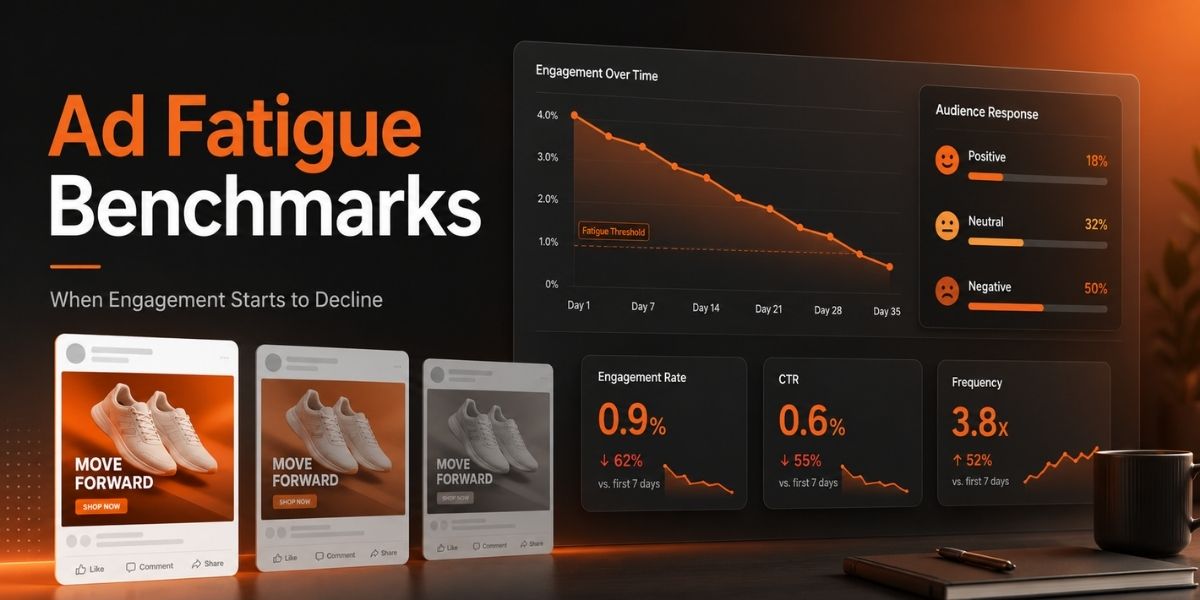
- Creative fatigue: running one “winner” until it dies instead of building a creative pipeline.
- Scaling too fast: jumping budgets before the funnel proves stability.
- Ignoring compliance: account bans erase progress overnight.
The easiest way to avoid these mistakes is to operate with a repeatable testing system: define your hypothesis, test one change at a time, record learnings, and compound improvements.
Conclusion: Paid Affiliate Marketing Strategies are a Performance Game
Winning with paid affiliate marketing is not about secret hacks—it’s about business fundamentals. Pick the right offers, track profit precisely, match the channel to user intent, and build a creative + testing system that never stops. Whether you’re doing google ads affiliate marketing, facebook affiliate marketing, or exploring pay per click affiliate marketing, your edge will come from speed: how fast you can learn, adapt, and produce new angles.
If you want to accelerate your testing, use AdSpyder to study competitor creatives and funnel patterns, then apply those insights to your own campaigns—so you’re not starting every experiment from zero.
FAQs: Paid Affiliate Marketing Strategies
What is paid affiliate marketing?
What is the best paid traffic for affiliate marketing?
Can I do Google ads for affiliate marketing?
Do Facebook ads work for affiliate marketing?
How do I find the highest paying affiliate programs?
What is pay per click affiliate marketing?
What’s the fastest way to improve paid affiliate results?