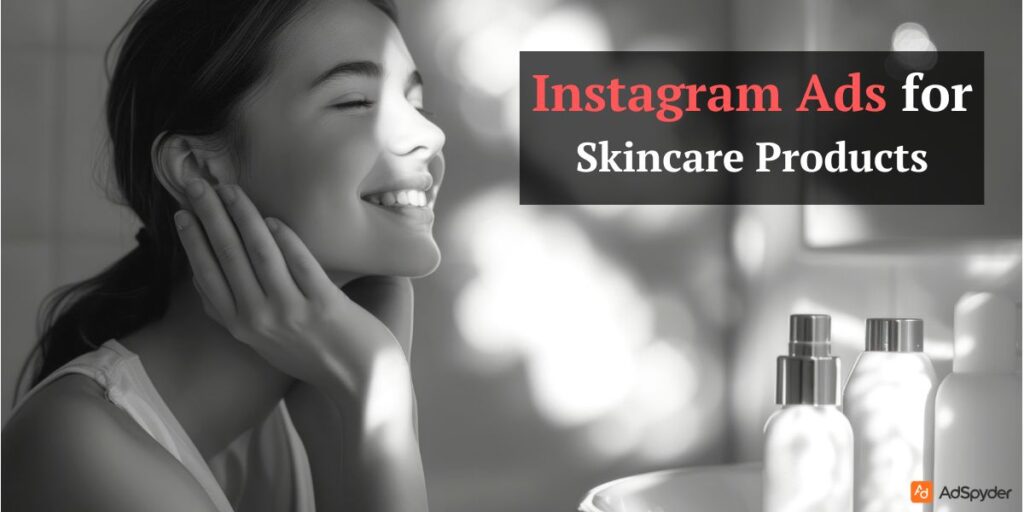
Skincare is one of the hardest categories to advertise because buyers don’t just want “nice packaging”—they want proof. Proof that it works for their skin type, proof it’s safe, proof they won’t waste money, and proof they can trust the brand. That’s why the best Instagram ads for skincare products feel less like ads and more like a believable mini-consultation: a clear concern, a simple routine, and a realistic outcome.
This guide breaks down what’s working in skincare Instagram ads right now—from Curology Instagram ads-style personalization to creator-led demos, retargeting flows, and landing page checks that protect ROAS. You’ll get a practical beauty brand Instagram ad strategy, real creative frameworks, and 7 fast FAQs.
Why Instagram Works for Skincare (If You Lead With Proof)
Skincare is a “visual trust” category. People want to see texture, routine steps, and real skin—not studio perfection. Instagram is built for that: reels for demos, stories for urgency, carousels for education, and creator content for believability. But the real unlock is this: buyers don’t buy products, they buy outcomes.
- Too much aesthetic, not enough proof: pretty packaging without “why it works.”
- Generic claims: “glowing skin” without the concern (acne, dryness, pigmentation).
- No routine context: people want the steps and how long results take.
- Weak post-click experience: ads promise clarity but landing pages feel messy.
The good news: the best-performing Instagram ad creatives for skincare are repeatable. If you’ve studied high converting beauty product ads, you’ll notice the same pattern: clear concern → believable routine → proof → simple CTA.
Key Skincare + Instagram Ad Statistics (Quick Snapshot)
Also important context: online is a major channel for beauty purchases. If your offer and landing experience are weak, you won’t just lose a click—you’ll lose trust.
The “Curology Style” Instagram Ads Playbook (Personalization Without Being Creepy)
A big reason Curology Instagram ads stand out is the clarity of their promise: “this isn’t random skincare—this is a routine built around you.” You don’t need the same product model to borrow the strategy.
- Call out the concern: acne, pigmentation, dryness, sensitivity, texture, dullness.
- Offer a simple routine: “AM: cleanse + serum + SPF. PM: cleanse + treatment + moisturizer.”
- Explain the “why” in one line: ingredient logic without sounding clinical.
- Show believable proof: creator demo, routine shot, testimonials, timeline expectations.
- Reduce risk: trial kit, guarantee, “derm-backed,” easy returns.
- One clear CTA: “Take the skin quiz,” “Build my routine,” “Shop the set.”
If you want to deepen your overall foundation, review the broader beauty brand ad strategies and then tailor them to Instagram’s best formats: reels for proof, stories for urgency, carousels for education.
Creatives for Instagram Ads for Skincare Products: 10 Frameworks You Can Reuse

The best Instagram ads for skincare products aren’t “random pretty videos.” They’re structured. Here are 10 creative templates you can rotate weekly.
1) Problem → Routine → Result (15–30s)
Open with the concern in the first 2 seconds (“If your acne flares every week…”) then show the steps (hands, texture, application) and end with a realistic result statement (“Week 2: calmer skin”).
2) “Ingredient logic” in plain language
Instead of listing ingredients, explain them like a friend: “This helps calm redness,” “This supports barrier repair,” “This targets pigmentation.” Use one ingredient per creative so it doesn’t feel like a lecture.
3) “Derm routine” vibe (credibility without fear)
If you can credibly say “dermatologist-backed,” show a calm “clinic-like” routine, clean visuals, and a safety-first tone (especially for sensitive skin). Avoid heavy claims—focus on trust signals.
4) Creator testimonial that feels real
Script it lightly: hook (concern), what they tried before, how they use your routine, and what changed. Real is better than perfect.
5) “Myth vs truth” carousel
Carousel slide 1: “Myth: More products = better skin.” Slide 2: “Truth: Consistency + barrier.” Slide 3: your 3-step routine. Great for top-of-funnel education.
6) Before/after (done responsibly)
Use honest lighting, clear timelines, and disclaimers when needed. If you can’t do true before/after, use “routine journey” (week 1–2–4) with realistic expectation setting.
7) “Here’s how to use it” demo (texture + steps)
Skincare needs tactile clarity: how much to apply, layering order, and when to stop. This format reduces purchase anxiety.
8) Bundle value (routine sets > single hero product)
“AM set + PM set” can outperform single items because buyers want a complete plan. Show the routine stack and what each step does.
9) Local trust (especially for service + retail)
If you’re a clinic/salon or a local brand with offline trust, build location-based creatives and appointment CTAs. Use the same playbooks you’d use for local salon advertising, but adapt them to skincare results + routines.
10) Brand story (for awareness) + direct response (for conversion)
Run two creative lanes: (A) brand story and trust, (B) routine proof and offer. This mirrors how strong fashion brand awareness ads work—awareness creates familiarity, and direct response captures demand.
Strategy for Instagram Ads for Skincare Products: Targeting + Funnel Structure

A simple funnel structure works best for skincare because the buyer journey is emotional, research-heavy, and trust-sensitive. Your goal is to match the message to intent level.
| Funnel stage | Who you target | Best creative format | Primary goal |
|---|---|---|---|
| Prospecting (Cold) | Interest + broad + lookalikes | UGC reels, routine demos | Earn trust + clicks |
| Consideration (Warm) | Video viewers, profile engagers | Testimonials, ingredient logic | Increase confidence |
| Conversion (Hot) | ATC, product viewers, checkout | Offer + bundle + urgency | Close sale |
| Retention | Past buyers, repeat windows | Routine refill reminders | Boost LTV |
Your retargeting is where profitability is often won. If you want a plug-and-play structure, use a dedicated guide for retargeting ads for cosmetics and align it to skincare intent signals (routine page views, ingredient page views, quiz starts, subscription page views).
Landing Page That Converts Skincare Traffic (Post-Click Checklist)
Skincare ads create curiosity, but landing pages create belief. Your post-click experience should answer: “Is this for me?” “Will it work?” “Is it safe?” and “How do I use it?”—in under 20 seconds.
- One promise: “Clearer skin in a routine built for your concern.”
- One concern path: acne / pigmentation / dryness / sensitivity (don’t mix everything).
- Routine steps: what to use AM/PM, and for how long.
- Proof: UGC videos, reviews, before/after (if compliant), results timeline.
- Trust: safety notes, ingredient highlights, certifications where applicable.
- Risk removal: trial size, returns, subscription controls, guarantee.
- Fast checkout: avoid extra steps; show delivery and returns early.
If you’re building a wider creative library, start by studying high converting beauty product ads and convert the patterns into your own “ad + landing page pairs” (each pair focuses on one concern).
FAQs: Instagram Ads for Skincare Products
What type of skincare Instagram ads work best?
How do Curology Instagram ads make personalization work?
Should I run carousels or reels for skincare ads?
What’s the best beauty brand Instagram ad strategy for beginners?
How do I avoid wasting budget on cold audiences?
What should a skincare landing page include?
What’s a simple retargeting setup for skincare?
Conclusion
The fastest way to improve Instagram ads for skincare products is to stop chasing “pretty” and start building proof. Borrow the best of the Curology Instagram ads approach: personalize by concern, show the routine clearly, set expectations honestly, and retarget with trust + offer. Combine this with a clean landing page and a structured funnel, and your skincare ads become a repeatable engine—not a guessing game.