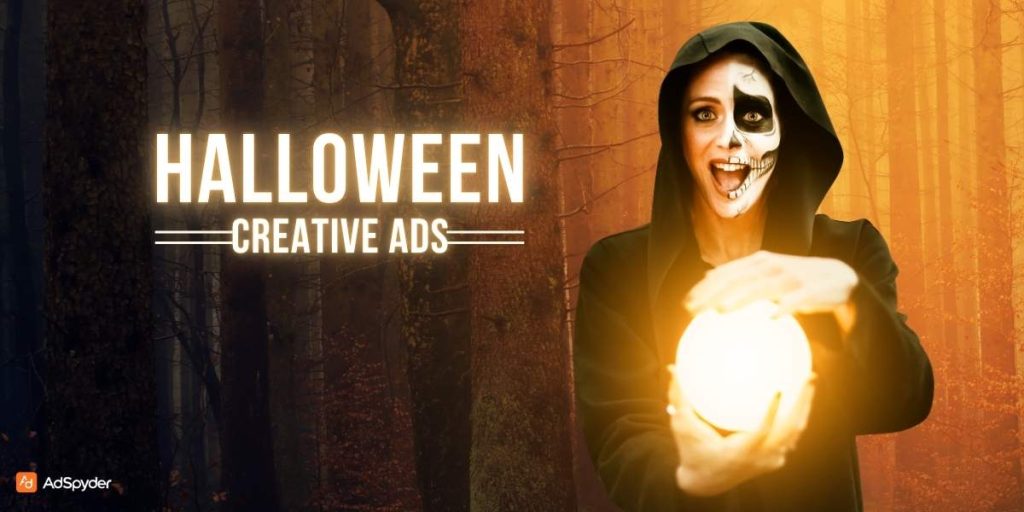
Halloween marketing is one of the rare moments where imagination beats polish. Brands don’t win by sounding “premium”—they win by being instantly recognizable: a spooky hook, a playful twist, and an offer that’s easy to act on. In 2026, that matters even more because competition is aggressive and shoppers start earlier. A strong Halloween creative ads plan is no longer “seasonal content”—it’s a performance lever.
This guide breaks down creative Halloween ads that convert—what angles work, which formats fit each platform, how to time drops and bundles, and how to build a post-click path that doesn’t leak revenue. It also connects Halloween to the next big moment: Black Friday and Cyber Week—so the audience you build now becomes cheaper conversions later.
What This Guide Covers (Halloween Creative Ads as a Performance System)
Great halloween advertising campaigns feel fun, but they’re usually built like a system:
Hook → Proof → Offer → Easy checkout. This guide helps build that system for ecommerce and local brands, whether the product is candy, costumes, décor, beauty, or seasonal bundles.
- Pick angles that work across categories (not just “spooky discount”)
- Match formats to placements (Reels/TikTok vs Stories vs CTV vs Search)
- Build offer ladders (bundles, limited drops, last-mile shipping urgency)
- Design post-click pages that reduce uncertainty and lift conversion rate
- Bridge into November so Halloween traffic becomes lower-cost Q4 revenue
For inspiration beyond this page, the best recurring patterns also show up in best Halloween ads—especially hooks that are simple enough to recognize in under one second.
Key Statistics (Why Halloween Creative Ads Matter in 2026)
The Halloween Creative Ads Framework (Hook → Proof → Offer → Post-Click)
Most halloween ad campaigns fail for one reason: they jump straight to “Sale!” without building a reason to care.
A durable framework keeps the creative fun while still converting.
| Layer | What you build | What it improves |
|---|---|---|
| Hook | 1-second visual + simple line (“Spooky bundle drop”) | Thumb-stop + CTR |
| Proof | UGC, reviews, demo, before/after, “what’s inside” | Trust + CVR |
| Offer | Bundle, limited drop, BOGO, free shipping threshold | AOV + conversion intent |
| Post-click | Fast page, clear delivery dates, easy variant selection | Checkout completion |
| Iteration | Weekly angle tests + creative library | Compounding performance |
Creative Halloween Ads: Angles That Consistently Win

The strongest halloween ad creative ideas typically fit one of these proven angle families.
Each one can be adapted for candy, costumes, décor, SaaS promotions, or local events.
1) “Transformation” (before → after)
Transformation ads work because they’re visual and immediate. Examples: room décor before/after, makeup looks, costume try-ons, or a “plain snack table” becoming a Halloween spread. This angle is especially strong when paired with a simple bundle offer.
2) “The List” (what’s inside the bundle)
Halloween is a shopping checklist holiday. “What you need for…” creative performs because it removes decision friction. It’s also a natural bridge into November, where SEO in Black Friday marketing often focuses on list-style queries (“best deals,” “top bundles,” “gift sets”).
3) “Fear of Missing Out” (limited drops)
Limited editions and time-boxed drops work because Halloween has a hard deadline. “Only until Oct 31” feels real, not artificial.
Keep urgency factual: end dates, inventory caps, or shipping cutoffs.
4) “Playful problem/solution” (the Halloween pain point)
Halloween has predictable pain points: running out of candy, last-minute costumes, messy décor setup, makeup smudging, slow delivery. Ads that name the pain point and show the fix feel helpful—and convert without needing heavy discounts.
5) “Culture + community” (costume trends and moments)
Trend-driven creatives (popular characters, memes, creator-led looks) win when the brand stays recognizable.
This is also where category crossover shows up—beauty brands, for example, can borrow the pacing and payoff style used in Black Friday beauty ads while still keeping Halloween-specific visuals.
Formats & Placements (Where Halloween Creative Ads Perform Best)
Format is a performance decision. A strong hook can still fail if it’s placed in the wrong environment.
Use this placement logic to pick the right halloween ad campaigns mix.
| Format | Best for | Creative tip |
|---|---|---|
| Short vertical video (Reels/TikTok/Shorts) | Try-ons, transformations, bundle unboxing | Show the “Halloween moment” in the first second |
| Stories | Flash offers + last-mile shipping urgency | One message per card, big text, strong CTA |
| Carousel / collection | Bundles, category browsing (candy/décor/costumes) | First card = hook; next cards = proof + variants |
| CTV / YouTube | Awareness + “Halloween vibe” storytelling | Build a payoff in 10–15 seconds |
| Search / Shopping | High intent: “Halloween costumes,” “bulk candy,” “decorations” | Align feed titles + landing pages to seasonal queries |
For category-specific creative, fashion and apparel brands often reuse pacing and product framing used in Black Friday fashion ads—but swap the theme: Halloween looks, party outfits, or costume-ready accessories.
Offers, Bundles & Urgency (Without Destroying Margin)
Halloween is a deadline holiday, so urgency is naturally credible. The goal is to turn urgency into better AOV, not just lower prices.
This section focuses on offer structures that help halloween advertising campaigns scale.
1) Build a simple offer ladder
- Entry: “Under $20 Halloween picks” (easy first purchase)
- Core: Bundles (candy + décor, costume + accessories, makeup kit)
- Upsell: Premium add-ons (faster shipping, gift wrap, upgrade size)
- Last mile: “Order by [date] for delivery by Halloween”
2) Use “value add” urgency before discount urgency
Before pushing a bigger discount, try value adds: free shipping threshold, bonus mini item, or “buy two, get one”.
These are also compatible with the personalization patterns used in personalised Black Friday ads—segment-based offers that feel helpful rather than generic.
- “Party Pack” bundles: one-click set for hosts (decor + candy + props)
- BOGO variants: “Buy 1 costume, get 50% off accessories”
- Delivery guarantee messaging: clear cutoff dates on ads and PDPs
- Local pickup push: “Pick up today” for last-minute shoppers
For B2B brands running seasonal promos (software, services, agencies), keep messaging tighter: “Halloween-themed bonus” works better than “spooky discount.”
This is similar to the offer discipline required in B2B Black Friday marketing.
Landing Pages & Checkout (Where Halloween Conversion is Won)
Halloween ads often get clicks; conversions fail when the post-click experience is generic.
A Halloween landing page should behave like a decision page: clear bundles, fast variant selection, and delivery confidence.
Halloween landing page checklist
- Headline that matches the ad: “Halloween Party Packs” should not land on a generic home page.
- Delivery clarity: “Arrives by Oct 31” (or cutoff dates) above the fold.
- Proof near CTA: ratings, review snippets, UGC thumbnails, or “what’s included”.
- Bundle logic: why the set is cheaper/easier than buying items separately.
- Friction removal: returns, size guides, FAQs, pickup options.
After Halloween, keep the landing page alive as a bridge page for November: “End-of-season clearance” and “early holiday deals” can capture spillover demand.
This is a common play in SaaS Black Friday marketing too—one page evolves across phases without resetting learnings.
Retargeting for Halloween Creative Ads & Post-Halloween Bridge (Turn October Traffic into November Revenue)

Most Halloween shoppers don’t buy on first click—especially for costumes, décor, and multi-item orders.
Retargeting converts delayed decisions and helps recover margin when CPMs rise later in Q4.
3 retargeting sequences that work reliably
- Viewer → proof: show UGC/reviews and “what’s included” for the exact product seen.
- Cart abandoner → reassurance: shipping dates, returns, size guide, pickup options.
- Buyer → upsell: accessories, refill candy packs, décor add-ons.
This preserves learnings and keeps acquisition costs steadier going into Black Friday.
For electronics and gifting categories, the bridge is even smoother: Halloween visitors often convert later with deal-driven creatives similar to Black Friday fashion ads or holiday bundles—because the same buyer is still in “seasonal shopping mode.”
FAQs: Halloween Creative Ads
What makes Halloween creative ads perform better than regular ads?
When should Halloween ad campaigns start?
What are the best Halloween ad creative ideas for ecommerce?
How can Halloween ads increase AOV without bigger discounts?
Which placements work best for Halloween creative ads?
What’s the biggest mistake in Halloween advertising campaigns?
How do Halloween ads help Black Friday performance?
Conclusion
The best halloween creative ads don’t rely on generic “spooky sale” messaging. They win by building a repeatable system: hook fast, prove trust, present a convenient offer, and remove post-click friction—especially shipping clarity. Use October to test angles and build warm audiences, then bridge those audiences into November with updated creative. Done well, Halloween becomes more than a seasonal spike—it becomes a lower-cost runway into Black Friday and the rest of Q4.