
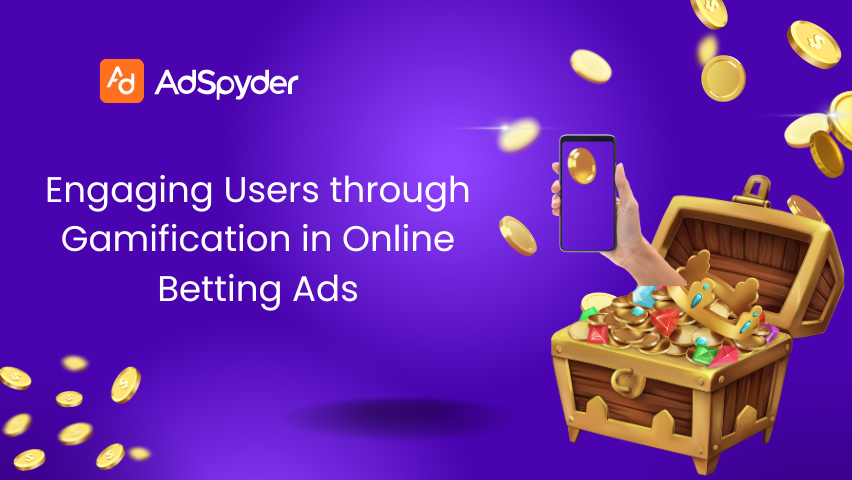
Gamification in advertising is the practice of using game-like mechanics—points, progress, rewards, streaks, challenges, leaderboards, and interactive choices—to make ads feel less like interruptions and more like experiences. When it’s done well, gamification marketing increases attention, improves recall, and turns passive viewers into active participants.
The best part: gamification isn’t only for consumer brands. You’ll see B2B gamification examples working in lead gen, onboarding, webinars, and product education too. In this guide, you’ll learn what gamification ads are, why they work, the most effective mechanics, and real campaign ideas you can adapt for email, social, content marketing, and retail.
What is Gamification in Advertising?
Gamification in digital marketing adds game mechanics to campaigns to drive a specific behavior: click, sign up, share, complete a quiz, redeem an offer, or return daily. This is not about building a full game—it’s about borrowing what games do best: clear goals, instant feedback, and rewarding progress.
- Challenge (spin, quiz, puzzle, scavenger hunt, streak)
- Progress (levels, milestones, progress bars)
- Rewards (discounts, freebies, points, badges, early access)
- Social loop (leaderboards, sharing, referrals, community status)
Gamification can show up anywhere: paid social, landing pages, email sequences, in-app prompts, retail loyalty programs, or even offline experiences with QR codes. The goal is always the same: reduce friction and make action feel satisfying.
Why Gamification Ads Work (Psychology in Simple Terms)
Gamification marketing works because it changes the user’s mental frame. Instead of “someone is trying to sell me something,” it becomes “I want to see what happens next.” That shift boosts attention and helps your message stick.
| Gamification Trigger | What it does | Where it’s useful |
|---|---|---|
| Instant feedback | People stay engaged when actions produce immediate outcomes. | Quizzes, polls, spins, interactive ads, in-app prompts |
| Progress & completion | Progress bars and checklists create a “finish it” pull. | Lead forms, onboarding flows, content journeys |
| Rewards & scarcity | A small reward can turn “later” into “now.” | Retail promotions, email campaigns, cart recovery |
| Social status | People participate when it earns recognition or community value. | Referrals, UGC contests, leaderboards, community challenges |
The big unlock is alignment: the mechanic must match the outcome you want. If your goal is lead gen, use quizzes + personalized results. If your goal is repeat purchases, use streaks and milestones.
Benefits of Gamification in Advertising

When you’re choosing whether to invest in gamification ads, think in terms of business outcomes—not “fun.” The strongest benefits show up in engagement, conversion rate, and lifetime value.
- Higher attention (interactive elements beat passive scrolling)
- Better data (quizzes/polls reveal intent, preferences, objections)
- Improved conversion (progress + rewards reduce drop-off)
- Repeat engagement (streaks, missions, milestones keep users coming back)
- More shareability (leaderboards + challenges spread organically)
Gamification Mechanics & Ad Formats (What to Use + When)
You don’t need complicated mechanics to get results. Most successful gamification campaign examples rely on simple actions with clear rewards. Below are mechanics you can apply across gamification content marketing, social, email, and landing pages.
| Mechanic | Best for | Example idea |
|---|---|---|
| Spin-to-win | Lead gen + coupons | “Spin for a bundle discount” after answering 1–2 intent questions |
| Quiz + personalized result | Segmentation + product match | “Find your perfect plan” quiz → results page with offer |
| Streaks / daily missions | Retention + habit-building | “7-day challenge” with daily micro-actions and unlocks |
| Leaderboard | Referrals + community | Top referrers win perks; everyone gets milestone rewards |
| Unlockable content | Education + nurture | Complete steps → unlock templates, toolkits, or bonus lessons |
Want to scale these concepts with predictable distribution? Pair gamification with paid media approaches like programmatic advertising for online betting sites, where interactive creative can be tested quickly across placements.
And if you’re experimenting with immersive mechanics, you can also explore interactive layers like augmented reality in online gambling—the principle is the same: reduce friction, increase involvement, and reward progress responsibly.
Gamification Campaign Examples You Can Copy (Without Overbuilding)
Here are practical gamification marketing examples broken down by goal. These ideas work across paid ads, landing pages, and nurture flows.
If you also want PR lift (especially for challenge campaigns), plan the media angle in parallel. Gamified launches become easier to pitch when you structure them like stories and announcements—this is where press releases in PR marketing can amplify your reach beyond paid media.
Gamification in Email Marketing (Where It Quietly Wins)
Gamification in email marketing works because inbox competition is brutal. A small interactive hook can lift engagement even when your audience is “used to promos.”
- Scratch card reveal (discount or perk)
- Roulette / spin-to-win (especially before price increases or events)
- Progress ladder: “Open 3 emails this week → unlock bonus”
- Mini-quiz that recommends products (results page = conversion page)
Pro tip: keep the game mechanic extremely clear. If it takes more than 3 seconds to understand, people skip. “Tap to reveal” and “Pick one” are usually enough.
B2B Gamification Examples (Yes, It Works)
If your product is complex, gamification can simplify education. In B2B, gamification ads often succeed when they reduce cognitive load: “answer 3 questions → get a tailored recommendation,” or “complete onboarding steps → unlock a bonus.”
- “Assessment quiz” → maturity score + recommended playbook
- Webinar bingo: attendees unlock templates by completing prompts
- Product onboarding checklist with progress + milestone rewards
- Referral leaderboard for partners/resellers (status + perks)
The key is credibility: B2B doesn’t need “games,” it needs structured progress. If users feel they’re leveling up their skills or decisions, they’ll opt in.
Gamification in Advertising in the Retail Industry (Where It’s Most Proven)

Gamification in retail industry is powerful because rewards map directly to buying behavior. Loyalty tiers, stamp cards, bundles, and milestone perks can all be framed as a game without changing your core business.
Start simple: a progress bar toward free shipping, a limited-time challenge (“buy 2, unlock a gift”), or a “choose your reward” moment at checkout. The win is not the mechanic—it’s making the customer feel in control and moving forward.
Key Gamification Statistics (Quick Snapshot)
How to Build a Gamification Advertising Strategy (Step-by-Step)
If you’re unsure which mechanics competitors are already using, analyze their patterns first—interactive creatives, offer framing, and landing page flows. That’s how you avoid copying the wrong idea and instead adapt what’s proven.
Common Gamification Mistakes (And How to Avoid Them)
- Overcomplicating the game: if users don’t “get it” instantly, they bounce.
- Reward mismatch: a reward that doesn’t connect to your product attracts low-quality actions.
- No follow-through: the experience must lead to a clear next step (browse, buy, book, demo).
- Ignoring fairness: if the mechanic feels rigged, trust collapses (especially in regulated categories).
- Not testing variants: gamification is still creative—A/B test the mechanic, message, and reward.
How AdSpyder Helps You Build Better Gamification Ads
Most teams struggle with gamification because they don’t know what’s already working in their category. AdSpyder helps you speed up strategy by showing competitor ad creatives, messaging angles, and landing pages—so you can identify patterns, not guesses.
- Find competitor gamified hooks (spin, quiz, challenge, reward framing)
- Compare offers and reward positioning across brands
- Spot landing page UX patterns that improve completion rates
- Build a swipe file of best gamification campaigns in your niche
The result: faster iteration, fewer dead-end experiments, and more confident creative testing.
FAQs: Gamification in Advertising
What is gamification in advertising?
What are the best gamification marketing examples for beginners?
Does gamification work for B2B marketing?
How do I measure gamification ads performance?
What are the benefits of gamification in marketing?
What’s the biggest mistake in gamified marketing?
How can AdSpyder help with gamification campaign ideas?
Conclusion
Gamification in advertising isn’t about turning marketing into a game—it’s about turning action into progress. The best gamification campaigns use simple mechanics, clear rewards, and a direct path to conversion. Start small, test one mechanic, measure completion and downstream impact, then scale what works. And if you want to move faster, competitor intelligence can show you which gamification patterns already win in your market.

Gamification in Social Media Marketing + Content Marketing
Social is naturally “game-like” (likes, comments, streaks, rankings). That’s why gamification social media marketing can grow quickly when you design it around participation.
Want stronger campaign differentiation? Pair gamified content with unique creative angles. Many top advertisers “borrow patterns” from winners in adjacent niches—this is where AdSpyder’s competitor intelligence becomes a shortcut.