

People don’t just buy products anymore—they buy into brands. What a company stands for, how it behaves, and the causes it supports all influence purchasing decisions. That shift is exactly why good cause marketing has become such an important part of modern brand strategy. At its core, it is about alignment. When a brand supports a cause that genuinely fits its values and audience, the relationship feels real. When that alignment is missing, it feels forced—and customers notice.
This article explains what good cause marketing actually is, why it works, and how brands (large and small) can approach it in a way that builds trust instead of skepticism.
What Is Good Cause Marketing?
Good cause marketing is when a business connects its marketing efforts to a social, environmental, or community cause. The brand benefits through stronger relationships and visibility, while the cause receives awareness, funding, or support.
You’ll often hear this approach referred to as cause related marketing. The key idea is that business success and social impact aren’t treated as separate goals. They move forward together.
Unlike one-time donations or quiet corporate giving, good cause marketing is visible. It’s communicated openly and becomes part of how the brand shows up in the world.
Why Good Cause Marketing Resonates With Consumers
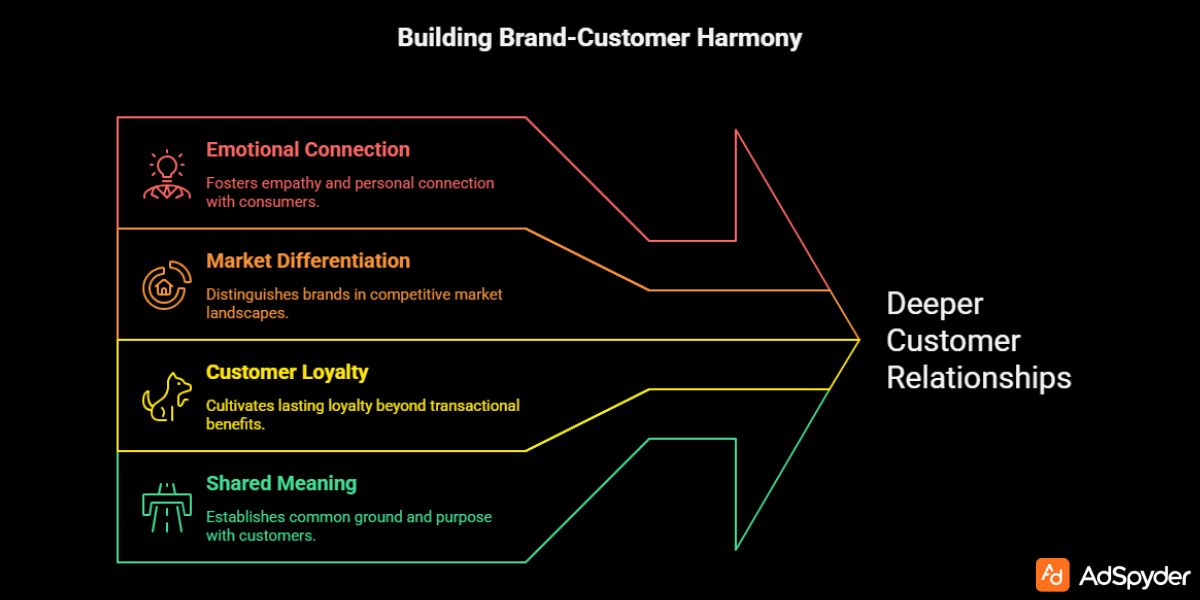
People want to support brands that reflect their values. That doesn’t mean every customer expects perfection—but they do expect honesty and effort.
This works because it:
-
Builds emotional connection, not just awareness
-
Helps brands stand out in crowded markets
-
Encourages loyalty beyond price or convenience
-
Creates shared meaning between brand and customer
When customers feel that a brand genuinely cares about something they care about, the relationship goes deeper than a transaction.
Different Ways Brands Approach Good Cause Marketing
There’s no single format that works for every business. The right approach depends on size, resources, and audience expectations.
Transaction-Based Campaigns
This is the most familiar model. A brand commits to donating a portion of sales to a specific cause, often for a limited time. When done transparently, it’s easy for customers to understand and participate in.
Awareness-Focused Campaigns
Some campaigns are less about money and more about visibility. Brands use their platforms to spotlight issues, encourage education, or amplify nonprofit voices. This approach is common in social cause related marketing, where awareness itself is part of the impact.
Long-Term Nonprofit Partnerships
Rather than running short campaigns, some brands build ongoing relationships with nonprofits. These partnerships tend to feel more credible because they show long-term commitment instead of quick wins.
Community-Based Efforts
Local brands often support causes close to home—schools, food banks, or neighborhood initiatives. This model works especially well for cause related marketing for small businesses, where customers value visible, local impact.
Employee-Led Initiatives
When employees are involved in choosing or supporting causes, campaigns often feel more authentic. These efforts also strengthen internal culture, not just external perception.
Comparing Common Cause Marketing Approaches
| Approach | Works Best For | Main Strength |
|---|---|---|
| Sales-based donations | Retail & ecommerce | Clear participation |
| Awareness campaigns | Mission-driven brands | Education & reach |
| Nonprofit partnerships | Established companies | Long-term trust |
| Community support | Local businesses | Loyalty |
| Employee-led programs | Culture-focused teams | Authenticity |
Real-World Examples That Feel Genuine
Some brands are often cited because their cause related marketing aligns naturally with what they already do.
A well-known example is Starbucks cause related marketing. Over the years, Starbucks has focused on ethical sourcing, sustainability, and community investment—areas directly connected to its supply chain and customer values. That consistency is what makes the efforts believable.
Strong campaigns usually share a few traits:
-
The cause makes sense for the brand
-
The message is simple and clear
-
The brand explains its role honestly
-
The effort doesn’t disappear after one campaign
When those elements are missing, campaigns can quickly feel performative.
How to Build a Good Cause Marketing Campaign That Feels Real
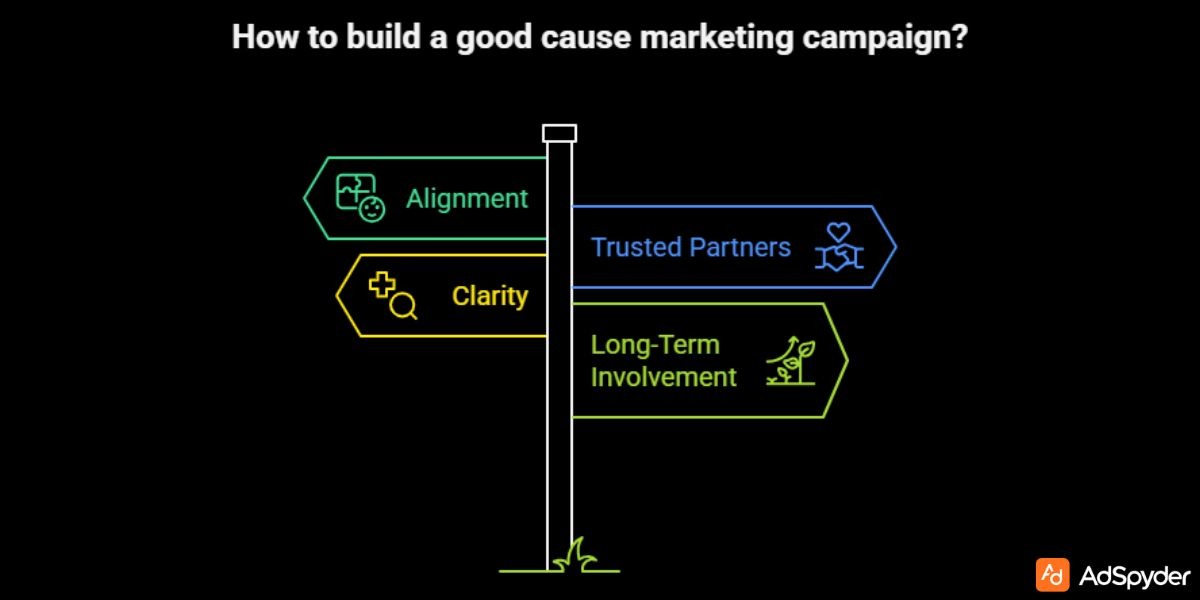
Good intentions aren’t enough. Execution matters.
Start With Alignment
Choose a cause that connects naturally to your brand’s mission, audience, or industry. If you have to explain the connection too much, it’s probably not the right fit.
Work With Trusted Partners
Partnering with credible nonprofits helps ensure real impact. Some brands also work with specialized cause marketing agencies to handle strategy, partnerships, and reporting—especially for larger or more complex campaigns.
Be Clear About the Impact
Vague promises create doubt. Customers want to know:
-
What’s being donated
-
How contributions are used
-
What difference the campaign makes
Clarity builds trust.
Think Beyond a Single Campaign
Long-term involvement speaks louder than short bursts of activity. Even small, ongoing efforts tend to resonate more than flashy one-offs.
Measuring Success Without Losing the Human Element
Not everything that matters can be measured, but tracking performance still helps refine future efforts.
| What to Measure | Why It Matters |
|---|---|
| Engagement | Shows audience interest |
| Brand sentiment | Reflects trust |
| Conversions | Indicates business impact |
| Repeat purchases | Signals loyalty |
| Cause outcomes | Proves authenticity |
Balancing data with genuine impact keeps campaigns grounded.
Common Mistakes Brands Should Avoid in Good Cause Marketing
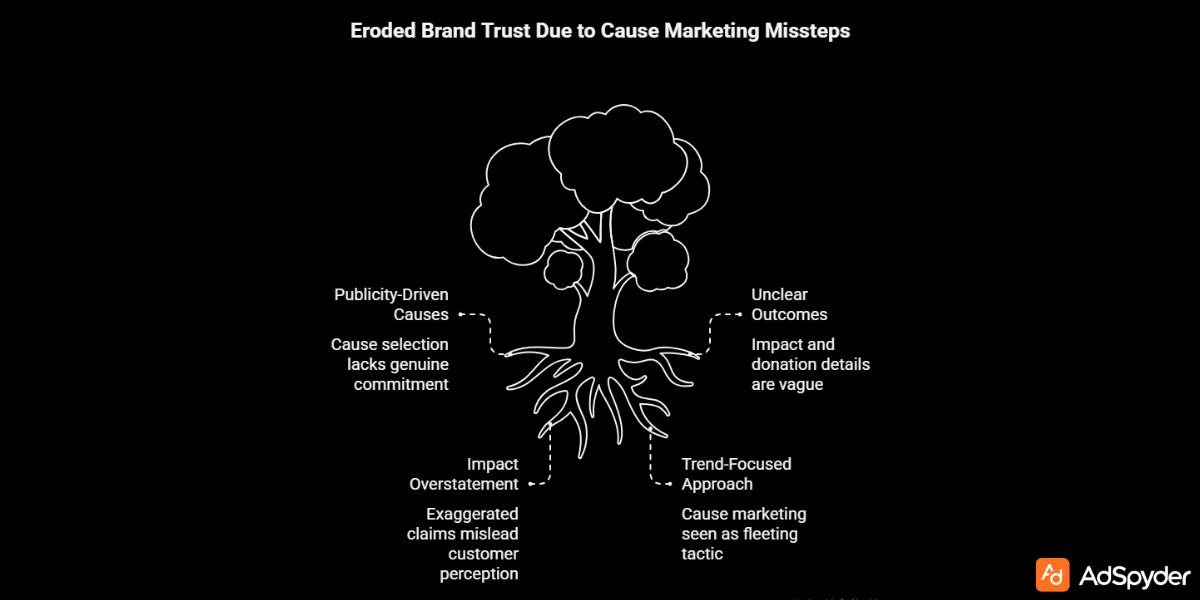
Even well-meaning brands can run into trouble. Common issues include:
-
Choosing causes purely for publicity
-
Being unclear about donations or outcomes
-
Overstating impact
-
Treating it as a trend instead of a commitment
When customers feel misled, trust is hard to rebuild.
FAQs About Good Cause Marketing
What is good cause marketing?
It’s when brands support social or environmental causes as part of their marketing strategy.
Is it the same as CSR?
Not exactly. CSR focuses more on internal responsibility, while good cause marketing is customer-facing.
Does good cause marketing actually help sales?
It can, especially when it builds trust and long-term loyalty.
Can small businesses do this effectively?
Yes. Local and community-focused efforts often work extremely well.
How do brands pick the right cause?
By aligning causes with their values, audience, and long-term goals.
Final Thoughts
Good cause marketing works best when it’s honest. Customers aren’t looking for perfection—they’re looking for sincerity. Brands that choose causes thoughtfully, communicate clearly, and stay committed over time tend to earn trust that no ad campaign alone can buy.
Purpose isn’t a shortcut. It’s a responsibility. And when brands treat it that way, both the business and the cause benefit.