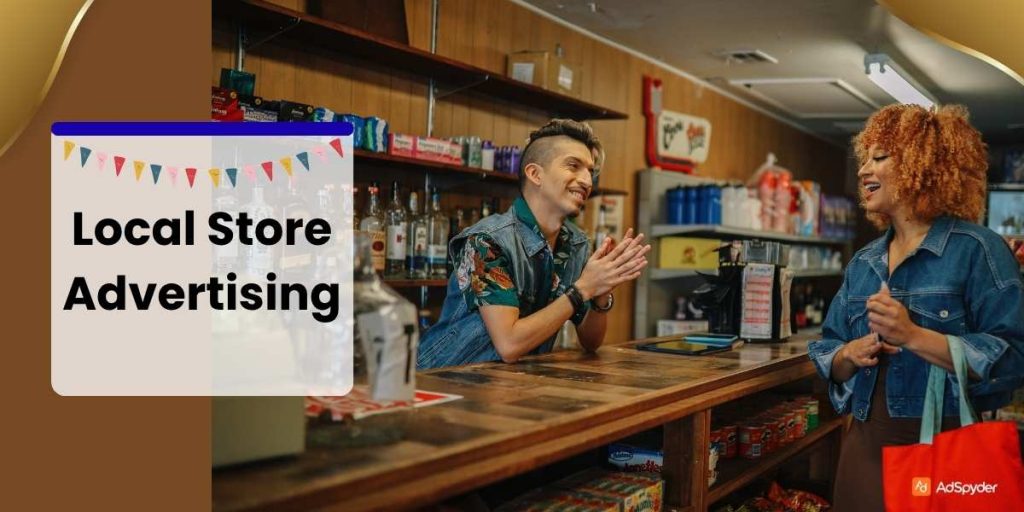
For original businesses, advertising is essential to attract new guests, build brand awareness, and increase the bottom line. Unlike online stores, original retailers must concentrate on position-based marketing to ensure they reach the right followership within their geographic area. With the rise of digital advertising, social media, and hyperlocal targeting, original store possessors now have multiple cost-effective advertising options beyond traditional styles like print advertisements and billboards. In this three-part companion, we will cover the most effective strategies for Local Store Advertising, including digital advertisements, offline elevations, social media marketing, and community engagement.
Part 1: Understanding Local Store Advertising & Setting Up Your Campaigns
Original store advertising is about reaching potential guests in the immediate vicinity of your physical store. The thing is to drive bottom business, boost original mindfulness, and increase in-store or near-store transformations.
1. Why Local Advertising Matters for Retail Stores
Original advertising is pivotal for retail stores for several crucial reasons. It directly connects businesses with nearby guests, builds community presence, and drives the bottom line. Here is a breakdown of why original advertising matters for retail stores
- Increase visibility among local shoppers.
- Drive in-store visits through targeted promotions.
- Compete with larger retailers and e-commerce stores.
- Build long-term customer loyalty within the community.
A. Common Challenges in Local Store Advertising
- Limited advertising budgets compared to big brands.
- Competing with online stores offering convenience & fast shipping.
- Reaching the right local audience without wasting ad spend.
2. Setting Up Local Advertising Campaigns
Before launching any advertising crusade, it’s important to define:
- Business Goals: (Increase walk-in traffic, promote new products, boost seasonal sales).
- Target Audience: (Local shoppers, working professionals, families, students).
- Advertising Budget: (Allocate funds for both digital and offline marketing).
3. Best Digital Advertising Strategies for Local Stores
Here are some of the stylish digital advertising strategies for original retail stores to attract nearby guests and boost their bottom business
A. Google Ads for Local Businesses
Google Ads is one of the most effective ways to reach customers actively searching for your store or products nearby.
1. Google Local Search Ads
- Appear at the top of Google hunt results when druggies search for”( Your Store Type) near me”.
- Illustration A bakery running a Google Original Hunt announcement for “ stylish bakery near me ”.
2. Google Maps Ads
- Help guests find your store position fluently.
- Works well for cafes, coffee shops, apparel stores, salons, and service businesses.
3. Google Display Ads for Local Awareness
- Shows visual banner advertisements on websites and apps within your original area.
- Stylish for seasonal elevations, abatements, or grand openings.
B. Targeted Facebook & Instagram Ads for Your Local Store
Social media platforms allow largely targeted original advertising grounded on:
- position-based targeting(geo-targeting).
- Interests & shopping gestures of original guests.
1. Facebook Local Awareness Ads
- Appear on Facebook & Instagram feeds of users near your store.
- Example: A clothing boutique running an ad with “Visit us today for exclusive in-store deals!”
2. Instagram Story Ads for Local Promotions
- Employs captivating full-screen illustrations to increase visits and special offers.
- Illustration: A fitness store promoting “ 20 off all spa outfits – Limited Time Only! ”.
3. Retargeting Ads for Local Customers
- Target past store callers or website callers with monuments or special offers.
- Illustration A bookstore retargets guests who browsed their online roster but didn’t visit the store.
C. Leveraging Google My Business (GMB) for Free Local Promotion
Using Google My Business( GMB) for Free Local Promotion is one of the most effective and budget-friendly ways for original retail stores to boost visibility, credibility, and bottom line. This is crucial in achieving effectiveness.
1. Boost Local Reach with a Well-Optimised Google My Business Profile
- Ensures accurate store details( name, address, phone number, and hours).
- Upload high-quality store images & product prints.
- Collect and respond to client reviews for better rankings.
- Share timely deals, announcements, and specials directly on your Google Business Profile.
Related – Facebook Ads for Retail Sales
1. Offline Advertising Strategies for Local Stores
While digital advertising is effective, offline selling strategies remain critical for engaging the original cult. Many consumers still depend on face-to-face recommendations, word-of-mouth, and local community ties when choosing where to shop.
A. Local Print & Direct Mail Advertising
Original print and direct correspondence advertising can be a largely effective way to reach targeted cult in specific geographic areas. A brief breakdown of each item follows.
1. Flyers & Brochures
- Stylish for: Grand openings, deals, promotions, seasonal offers, and product launches.
- Where to distribute:
- Community centres, cafes, gymnasiums, libraries, and other businesses.
- Hand out at events or inside shopping bags for in-store guests.
- Illustration: A bakery prints pamphlets flashing its “ Buy One, Get One Free ” coffee creation and distributes them at nearby services and coworking spaces.
2. Direct Mail Campaigns
- Card mailers with tickets or exclusive abatements encourage guests to visit the store.
- Designed for businesses serving residential communities, including cafes, retail stores, and fitness centres.
- Illustration A pet force store sends cards with a 10% reduction law to pet owners within a 5- afar radius.
B. Billboard, Radio, & Local Newspaper Ads
Large Out-of-door announcements are placed in high-business areas( along roadways, megacity thoroughfares, etc.).
1. Billboard & Outdoor Advertising
- Ideal for high-business locales( corners, shopping centres, roadways).
- Stylish used for brand mindfulness & special events( e.g., store openings, seasonal deals).
- Illustration: An original apparel exchange places a billboard announcement on a busy road featuring its new downtime collection.
2. Local Radio Advertising
- Designed to support cafes, local shops, beauty salons, and service-focused businesses.
- Stylish for targeting Commuters, original workers, and residents.
- Illustration A barbershop runs a 30-second radio announcement offering$ 5 off haircuts to listeners who mention the announcement.
3. Local Newspaper & Magazine Ads
- Effective for the aged demographics who regularly read print media.
- Great for vacation, elevations, deals, and special offers.
- Illustration A home décor store runs an announcement in an original life magazine showcasing its latest cabinetwork collection.
2. Community Engagement & Partnership Strategies
Building strong relationships with the local community boosts trust, loyalty, and long-term sales.
A. Sponsoring Local Events & Charities
Financing original events or charities is a community-grounded marketing strategy that builds brand mindfulness, goodwill, and trust, especially in indigenous or niche requests. It connects your business with people through participatory values, causes, and original pride.
- Support community enterprises, academy events, or charity fundraisers to gain goodwill.
- Illustration: A grocery store sponsors an original marathon and provides free energy drinks to actors.
- Benefits:
- Increases brand visibility in the community.
- Strengthens client fidelity.
B. Partnering with Other Local Businesses
Original business hookups involve two or further near companies working together to boost exposure, share coffers, and attract new guests. This strategy is cost-effective and helps make a stronger, more connected business community.
- Cross-promotions help small businesses attract new guests.
- Illustration: A yoga plant mates with a health food café to offer blended smoothies to class attendees.
- Win-Win Approach:
- Each business’s earnings are exposed to the other’s guests.
- Encourages reprise purchases and referrals.
C. Hosting In-Store Events & Workshops
Hosting in-store events and shops is an important way to bring people into your business space, make connections with your guests, and produce memorable, hands-on brand gestures.
- Interactive events attract foot traffic and improve engagement.
- Examples:
- Don’t forget to check out the local wine shop for free tastings every Saturday.
- A bookstore hosts a book signing with local authors.
- A boutique organises a “Personal Styling” workshop.
- Results:
- Brings in potential buyers.
- Encourages word-of-mouth marketing.
3. Creative Promotions & Loyalty Programs
Creative Elevations and loyalty programs are effective tools for attracting new guests, boosting repeat business, and increasing average spend. When done well, they produce excitement around your brand and price, and client engagement.
A. Running Time-Sensitive Sales & Flash Promotions
Time-sensitive deals and flash sales produce urgency and excitement, encouraging guests to act quickly before a deal ends. These tactics tap into the fear of missing out( FOMO) and are great for clearing the force, adding bottom business, or driving online engagement.
- Examples:
- “First 50 customers get a free gift!”
- “One-day only 30% off sale!”
- Why it works:
- Creates urgency and excitement.
- Encourages immediate action.
B. Implementing a Customer Loyalty Program
A client loyalty program rewards repeat guests and encourages them to return, spend further, and become brand loyalists. When courteously designed, fidelity programs make strong, long-term connections and boost your innermost line.
- Why loyalty programs work:
- 70% of shoppers prefer shopping with brands with a rewards program.
- Encourages repeat visits & higher spending.
- For instance, a coffee shop might give a customer a free drink after every ten drinks bought using a loyalty card.
- Digital Loyalty Options:
- Use mobile apps like FiveStars, Smile.io, or Square Loyalty.
C. Encouraging Customer Reviews & Referrals
Client reviews and referrals are important tools that make credibility, trust, and brand visibility, especially for original businesses. They serve as ultramodern word- of- mouth and directly impact new guests’ opinions.
- Offer incentives for reviews on Google & Facebook.
- For instance, a spa may offer a 10% discount to clients who post a Google review.
- Referral Program Example:
- Introduce a friend and unlock $10 in savings for both of you!
1. Tracking & Measuring Local Store Advertising Performance
To optimise local store advertising, businesses must track key performance metrics to understand which marketing efforts are working and where improvements are needed.
A. Key Metrics to Measure Local Advertising Success
Measuring the performance of your local marketing is an important step in recognising what is and isn’t working, and the adjustments that are needed. Below are the most important key performance indicators (KPIs) to measure across the variety of local advertising formats:
| Metric | What It Measures | Optimization Strategy |
| Foot Traffic | Number of customers visiting the store | Use Google My Business & Facebook Store Visits tracking |
| Sales Conversion Rate | Percentage of visitors who make a purchase | Improve in-store experience & customer service |
| Return on Ad Spend (ROAS) | Revenue generated per $1 spent on ads | Adjust bidding strategy for paid campaigns |
| Coupon/Offer Redemptions | Effectiveness of promotions & discounts | Track in-store redemption rates |
| Customer Engagement (Social & Reviews) | Number of online interactions (likes, shares, reviews) | Respond to reviews & engage with the local community online |
B. Tools for Tracking Local Store Advertising Performance
Effectively measuring local advertising performance helps you make better marketing decisions and maximise ROI. Here are tools and methods to track how well your local campaigns are working—whether online, offline, or in-store.
- Google My Business Insights
- Tracks store visits, search queries, and client conduct( calls, directions, website clicks).
- Helps businesses optimise store rosters for better visibility.
- Facebook Ads Manager (Local Campaigns)
- Tracks prints, engagement, and store visit estimates from social media advertisements.
- Enables position-grounded announcement targeting and retargeting.
- Google Analytics (GA4) with Offline Tracking
- Monitors website business from original announcement juggernauts.
- Helps track how digital marketing translates to in-store visits.
- In-Store Traffic Counters & POS Data
- Foot traffic counters help measure in-store visitor trends.
- Point-of-sale (POS) systems track in-store purchases linked to specific promotions.
- QR Codes for Local Ad Tracking
- Adding unique QR codes to flyers, posters, or ads helps track how many customers engage with offline promotions.
- Example: A restaurant places a QR code on their table tents for a 10% discount if scanned and redeemed.
Must See – E-Commerce Brand Awareness Strategies
2. Optimising Local Store Advertising for Maximum ROI
To get the best return on investment (ROI) from your local advertising, it’s crucial to combine smart planning, clear tracking, and ongoing refinement. Here’s how to optimise your local store advertising for maximum impact and profitability:
A. Refining Digital & Social Media Advertising
To maximise the impact of your digital and social media advertising, regular refinement is crucial. This means assaying performance, conforming targeting, testing creatives, and staying aligned with your followers’ gestures and preferences.
1. Adjusting Geo-Targeting for Better Local Reach
- Reduce message fatigue by narrowing who sees your announcements.
- Instead of a citywide campaign, narrow your ad reach to a 5-mile area surrounding your store.
2. Using Lookalike Audiences for Local Customer Expansion
- Find new implicit guests who act like your current guests.
- Illustration: An apparel exchange uploads its client dispatch list to Facebook to produce a Lookalike followership of analogous shoppers in the area.
3. Retargeting Past Visitors & Customers
- Use retargeting ads to re-engage past store visitors or website browsers.
- Example: A furniture store retargets users who visited their website but didn’t purchase, showing them in-stock discounts.
B. Improving Offline Advertising Strategies
While digital marketing frequently takes the limelight, offline advertising still plays a pivotal part in original brand mindfulness and client acquisition, especially for small or community-grounded businesses. The key is to make offline sweats more targeted, measurable, and engaging.
1. Enhancing Print & Direct Mail Campaigns
- Use QR codes or unique promo codes to track how many people respond to a print ad.
- Send direct mail to customers who haven’t visited in 6 months with a re-engagement offer.
2. Updating In-Store Signage & Promotions
- Rotate promotional banners weekly to highlight different deals.
- Example: A grocery store places signs near the checkout with flash sale details to encourage impulse purchases.
3. Common Mistakes to Avoid in Local Store Advertising
Original advertising can be largely effective, but only when done courteously. Numerous small businesses lose time and money by repeating many common miscalculations. Then’s what to watch out for
A. Poor Targeting & Wasting Ad Spend
Wasting advertising spend is one of the biggest pitfalls in both original and digital advertising. The root cause is constantly poor targeting — reaching the wrong cult, in the wrong place, at the wrong time. This guide explains how to detect and address the problem
- Mistake: Targeting too broad a followership, leading to high costs and low transformations.
- Fix: Use hyperlocal targeting while accounting for irrelevant areas.
B. Ignoring Google My Business Optimisation
Not updating your Google Business Profile (previously Google My Business) could result in:
- Mistake: Incomplete or outdated Google Business Profile information.
- Fix:
- Update store hours & contact info regularly.
- Responding to customer feedback helps enhance your local SEO.
C. Not Tracking Campaign Performance
Still, you risk if you don’t track your advertising performance.
- Mistake: Running local ads without measuring store visits or sales impact.
- Fix: Use Google My Business insights, QR codes, and ad analytics to track ROI.
D. Neglecting Customer Engagement on Social Media
Ignoring engagement on social media leads to:
- Mistake: Posting ads but failing to interact with comments and questions.
- Fix:
- Respond to messages within 24 hours.
- Engage with local community groups on Facebook.
E. Running the Same Promotions Too Often
You should think about changing offers as well as refreshing your promotional plan regularly to maintain interest.
- Mistake: Overusing discounts and offers, leading to reduced perceived value.
- Fix:
- Alternate promotions (e.g., seasonal offers, loyalty rewards, exclusive VIP events).
- Example: A coffee shop offers a “Free Cookie Friday” instead of weekly discounts.
Explore Now – Retargeting Abandoned Cart Shoppers
4. Final Optimisation Techniques for Long-Term Local Advertising Success
To ensure your original advertising continues delivering results over time, you need to shift from quick triumphs to sustainable strategies that grow your brand, build loyalty, and drive harmonious profit. Below are essential, long-term optimisation ways
A. Scaling High-Performing Local Ads
Once you identify top-performing ads:
- Increase ad budgets only on campaigns with high engagement & conversions.
- Expand geo-targeting slightly if demand increases.
B. Experimenting with New Advertising Methods
Trying new ad methods keeps your marketing fresh and competitive:
- Try text message marketing for personalised local promotions.
- Offer “Scan & Win” scratch-off coupons to encourage in-store visits.
C. Hosting Exclusive Loyalty Events
Exclusive events for loyal customers boost retention and brand love:
- Run invite-only shopping events for VIP customers.
- Showcase new collections or services to select customers before launch.
See It Here – Maximizing Sales with Google Shopping Ads
Conclusion
In this guide, we covered:
- Digital advertising strategies, including Google Ads, social media ads, and Google My Business, to increase store visibility.
- Offline marketing strategies, such as direct mail, in-store events, community engagement, and promotional tactics to attract customers.
- Performance tracking, ad optimisation, and avoiding common mistakes to ensure long-term advertising success.
By combining digital marketing, local promotions, community engagement, and data-driven tracking, local store owners can increase foot traffic, boost brand loyalty, and grow sales effectively.
Next Steps:
- Start by analysing current advertising performance and refining strategies based on data.
- Experiment with new digital ad placements, hyperlocal targeting, and offline events.
- Focus on long-term customer engagement rather than short-term sales alone.
FAQs
How much should an original store spend on advertising?
It varies, but 5 – 10 of yearly profit is a common starting point for original stores.
What’s the best modern platform for creating stylish ads for your store?
Google Advertisements & Facebook Original Advertisements work stylishly for original businesses looking to drive bottom-line business & store visits.
How can I track how many people visit my store from an announcement?
Use Google My Business perceptivity, Facebook Store Traffic Advertisements, and QR law shadowing to measure impact.
How can I attract repeat guests to my store?
Apply a client fidelity program, exclusive events, and substantiated offers to keep shoppers engaged.
What’s the best traditional advertising approach for distinctive businesses?
Direct correspondence, community auspices, and in-store events are largely effective for original businesses.
How do I get further Google reviews for my original store?
Encourage happy guests to leave reviews by offering incentives ( abatements, gifts) in-store.
How frequently should I change my advertising strategy?
Review announcement performance every 30 – 60 days and adjust based on perceptivity and seasonality.