

Growing a business today is harder than it used to be. Audiences are fragmented, trust takes time to build, and marketing costs keep increasing. That’s why more companies are turning to brand partnerships for business growth—not as a trend, but as a practical way to grow faster and smarter.
A strong partnership allows two brands to do together what would be expensive, slow, or risky to do alone. When the fit is right, partnerships can unlock new audiences, strengthen credibility, and create long-term value that goes far beyond a single campaign.
This guide breaks down how brand partnerships work, why they matter, and how to approach them in a way that actually drives business growth.
What Are Brand Partnerships?
A brand partnership is a collaboration between two or more brands that work together toward a shared goal. This is while keeping their own identities intact. The goal could be increasing reach, launching a product, entering a new market, or building trust with a new audience.
Sponsorships are often transactional. However, brand partnerships are built on shared value. Each brand brings something meaningful to the table—an audience, expertise, technology, or distribution—and both sides benefit from the outcome.
At their best, partnerships feel natural. Customers don’t see them as ads. They see them as useful, relevant collaborations.
Why Brand Partnerships Matter for Business Growth

Brand partnerships solve several growth challenges at once.
They help businesses:
-
Reach new audiences faster
-
Borrow trust from an established brand
-
Reduce customer acquisition costs
-
Strengthen brand positioning
-
Create more memorable marketing experiences
They’re also effective for building brand affinity in marketing. When two aligned brands collaborate, the association often transfers positive feelings from one brand to the other. Over time, this emotional connection can be just as valuable as direct revenue.
Types of Brand Partnerships for Business Growth
Not all partnerships are the same. The structure you choose should match your goals and resources.
Co-Branding Partnerships
Co-branding involves two brands creating something together—often a product, service, or campaign that carries both names. When done well, it feels intentional and adds value for the customer.
This is where creative co-branding becomes important. The strongest co-branded efforts don’t just place two logos side by side. They blend tone, design, and messaging in a way that feels cohesive and authentic.
Strategic Alliances
Strategic alliances are longer-term partnerships focused on shared growth rather than one-off campaigns. These partnerships often involve joint planning, shared initiatives, and ongoing collaboration.
They work especially well for market expansion and category leadership.
Distribution and Channel Partnerships
These partnerships focus on reach. One brand uses another’s distribution channels—such as email lists, platforms, or sales networks—to access a new audience.
This approach is common in retail, SaaS, and B2B ecosystems.
Influencer and Creator Partnerships
Creator partnerships go beyond simple promotions. When creators are treated as partners rather than media placements, the content feels more genuine and tends to perform better.
The key is alignment between the creator’s audience and the brand’s values.
Technology and Platform Partnerships
In tech and SaaS, partnerships often take the form of integrations or shared platforms. These collaborations increase product usefulness and reduce friction for users, which can directly impact retention and growth.
Comparing Models of Brand Partnership for Business Growth
| Partnership Type | Best Use Case | Main Benefit | Risk Level |
|---|---|---|---|
| Co-branding | Joint launches | Shared brand equity | Medium |
| Strategic alliance | Long-term growth | Market expansion | Low |
| Influencer partnership | Trust & awareness | Fast audience access | Medium |
| Distribution | New markets | Revenue growth | Low |
| Tech partnership | Product value | Ecosystem strength | Medium |
How to Build Brand Partnerships for Business Growth That Actually Work
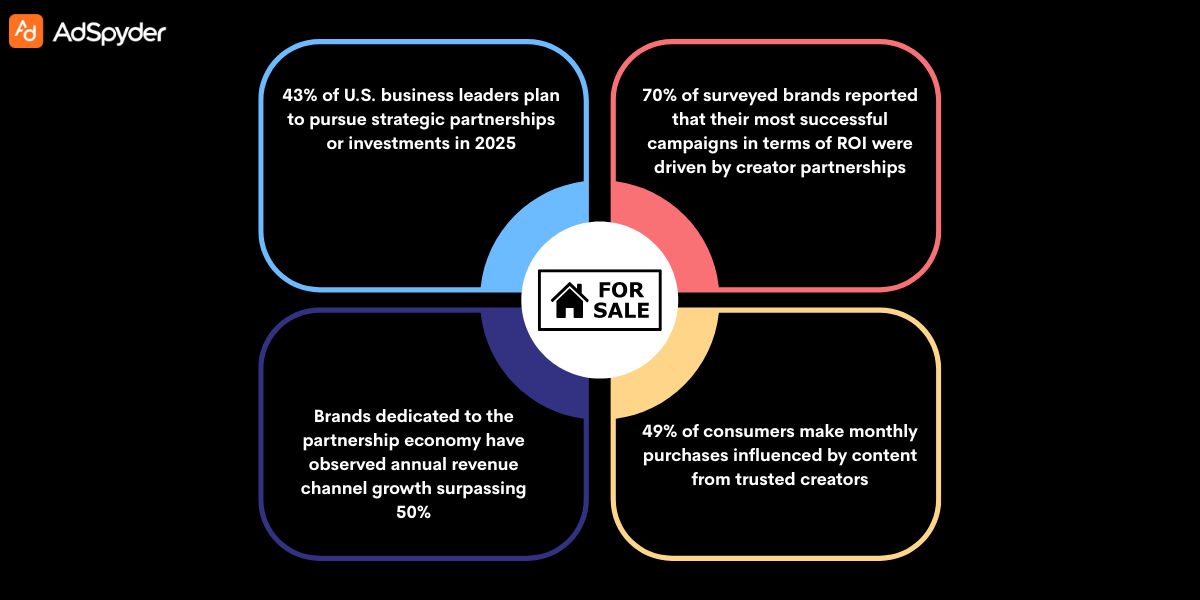
A partnership doesn’t succeed just because two brands agree to work together. The details matter.
Choose the Right Partner
A successful collaboration with brands starts with alignment. Look for partners who share similar values, quality standards, and audience expectations.
You don’t need identical audiences—but there should be a clear reason why both customer bases would care about the collaboration.
Set Clear Goals Early
Before anything launches, agree on what success looks like. Is the goal awareness? Leads? Revenue? Engagement?
Clear goals make decisions easier and prevent misunderstandings later.
Define Roles and Expectations
Strong partnerships are structured. That means agreeing on:
-
Who owns what
-
How brands will be represented
-
Timelines and deliverables
-
How results will be measured
This clarity protects both brands and keeps the partnership productive.
Promote Together, Not Separately
The biggest mistake brands make is under-promoting partnerships. True collaboration means both sides actively support the launch.
Coordinated promotion across email, social, content, and PR is key to maximising impact with brand collaboration.
What Makes Brand Partnerships Successful
Looking across industries, the most effective partnerships tend to share a few traits:
-
Clear audience relevance
-
A shared story or purpose
-
Balanced value for both brands
-
Consistent messaging across channels
Customers can tell when a partnership exists just for exposure—and when it exists to genuinely add value.
Common Brand Partnership Mistakes
Even good brands get partnerships wrong. Common issues include:
-
Choosing partners based only on reach
-
Misaligned tone or values
-
One-sided benefits
-
Poor communication
-
No clear way to measure success
Avoiding these mistakes is just as important as choosing the right partner.
Measuring Brand Partnership Success
Not every partnership should be judged the same way. Measurement depends on the original goal.
Common metrics include:
| Metric | What It Shows | Why It Matters |
|---|---|---|
| Reach | Audience exposure | Awareness |
| Engagement | Content response | Relevance |
| Leads | Interest generated | Demand |
| Revenue | Sales impact | ROI |
| Brand lift | Perception change | Long-term value |
Tracking both performance and perception gives a more complete picture of impact.
FAQs: Brand Partnerships for Business Growth
What is a brand partnership?
A collaboration between brands working toward a shared business goal.
How do brand partnerships drive growth?
They expand reach, build trust, and reduce acquisition costs.
Are brand partnerships only for large companies?
No. Smaller brands often benefit the most from the right partnerships.
What’s the difference between co-branding and partnerships?
Co-branding is one type of brand partnership focused on joint offerings.
How long do brand partnerships last?
They can range from short campaigns to long-term alliances.
Final Thoughts
Brand partnerships aren’t about quick wins. They’re about building something meaningful with the right partner. When alignment, trust, and execution come together, partnerships can become one of the most reliable drivers of business growth.
The real opportunity isn’t just collaboration—it’s collaboration done with intention.