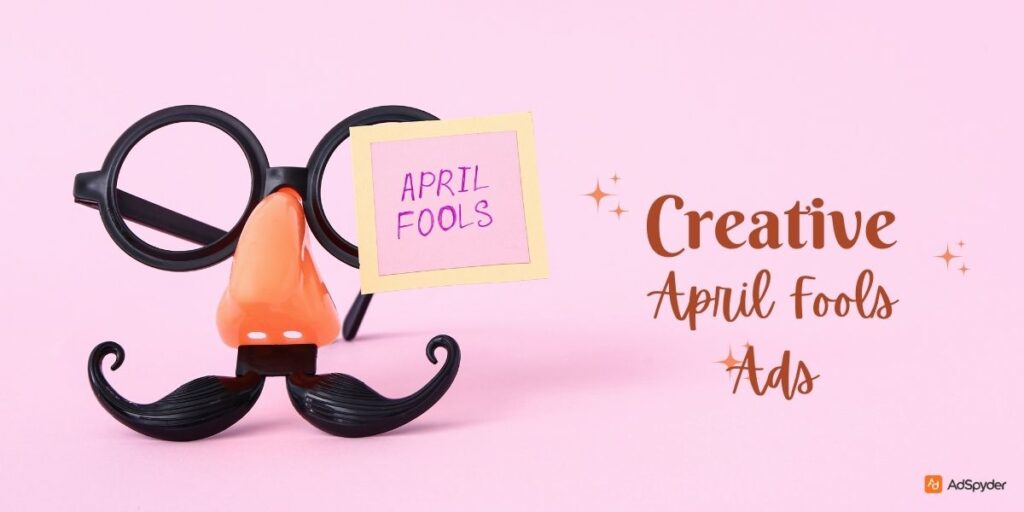
April Fools advertising has evolved from simple pranks into sophisticated marketing campaigns that drive genuine business results. Successful creative April Fools ads balance three tensions: believability versus absurdity (the joke must be plausible enough to hook attention but ridiculous enough to entertain), brand alignment versus surprise (unexpected yet consistent with core identity), and viral potential versus control (shareable content that doesn’t spin into PR crises). The brands winning on April 1st aren’t just making people laugh—they’re strategically positioning humor as part of year-round brand personality while capturing measurable engagement spikes.
This guide provides the complete framework for executing seasonal marketing ideas that leverage April Fools’ Day as a testing ground for creative holiday ads and brand prank campaigns that extend beyond single-day stunts.
Psychology of Humor in Advertising: Why Creative April Fools Ads Work
April Fools advertising succeeds because it activates psychological mechanisms that traditional advertising struggles to access: surprise disrupts pattern recognition (forcing attention), benign violation theory creates laughter from safe rule-breaking, and emotional engagement triggers memory consolidation stronger than rational messaging. The neuroscience is straightforward—humor activates reward centers (dopamine release), reduces defensive processing (lowered ad skepticism), and increases social sharing motivation (people enjoy making others laugh by proxy).
The benign violation framework
Humor occurs when something simultaneously violates norms yet remains safe—a fake product announcement violates expectations (brands should be truthful) but remains benign (everyone knows it’s April 1st). The sweet spot for April Fools ads lives in this intersection: the prank should feel wrong enough to surprise but safe enough to avoid offense or confusion.
- Violation (necessary for humor): Announcing absurd products, impossible features, or contradictory brand positions
- Benignity (keeps it safe): Obvious calendar timing, exaggerated claims, subtle wink to audience
- Failed pranks: Too realistic (violation without benignity = confusion), too absurd (benignity without violation = boring)
Social currency and shareability triggers
People share content that makes them look good—funny, informed, culturally aware. April Fools campaigns that succeed virally tap into social currency by being:
- Insider knowledge: “Did you see Brand X’s ridiculous prank?” positions sharer as in-the-know
- Conversation starter: Provides talking point for social interactions (“You have to see this ad”)
- Identity signal: Sharing clever humor reflects personal taste and intelligence
Brand humanization through imperfection
Brands that joke publicly demonstrate self-awareness and confidence—they’re secure enough to not take themselves seriously 365 days/year. This humanization breaks down consumer-brand distance, making companies feel more like personalities than corporations. The strategic value extends beyond April 1st: humor-capable brands earn permission for casual communication year-round.
Key Statistics (Creative April Fools Ads Performance 2025)
Top 10 Creative April Fools Ads: Campaigns That Set the Standard
The most successful April Fools campaigns combine strategic creativity with flawless execution, generating viral attention while reinforcing brand identity. These ten examples demonstrate different approaches to humor advertising—from product pranks to impossible innovations—that achieved measurable business impact through earned media coverage, social engagement, and brand lift.
1. Google Maps Pac-Man (2015)
The Prank: Google transformed real-world streets into playable Pac-Man mazes directly within Google Maps. Users could turn any location into a game board and play the classic arcade game using actual city streets as the maze layout.
Why It Worked: Combined nostalgia (Pac-Man’s 35th anniversary) with Google’s core product functionality. The prank was fully functional—not just announced but actually playable—demonstrating Google’s technical capabilities while entertaining users. Generated over 1 billion impressions and remained so popular Google made it permanent as an Easter egg.
Key Takeaway: Functional pranks that users can actually interact with create deeper engagement than announcement-only campaigns. Integration with core product reinforces brand capabilities.
2. Burger King’s Chocolate Whopper (2018)
The Prank: Burger King announced the Chocolate Whopper—a burger where every component (bun, patty, lettuce, cheese) was made entirely of chocolate. The campaign included professional food photography and detailed product descriptions making it appear legitimate.
Why It Worked: Perfect balance of plausibility (chocolate desserts exist) and absurdity (chocolate lettuce doesn’t). High-quality visuals matched Burger King’s actual product marketing standards. The joke aligned with BK’s brand personality of bold, unconventional menu innovations. Generated 3.5 million social media impressions in 24 hours.
Key Takeaway: Food brands excel at visual pranks because product photography triggers appetite response even when absurd. Production quality sells the initial believability.
3. Amazon Petlexa (2019)
The Prank: Amazon introduced “Petlexa”—an Alexa collar that translates pet thoughts into human speech. The campaign featured a professional commercial showing dogs and cats “speaking” through the device, complete with product specs and pricing ($99.99).
Why It Worked: Tapped into universal pet owner desire (“what is my dog thinking?”) while staying within Amazon’s innovation narrative. The commercial production quality matched real Amazon device launches. Generated significant earned media coverage across tech and lifestyle publications, with many outlets initially reporting it as real before catching the date.
Key Takeaway: Emotional connection to pets drove shareability. The prank solved a “problem” everyone has (understanding pets) in an impossible but desirable way.
4. BMW’s Magnetic Tow Technology (2015)
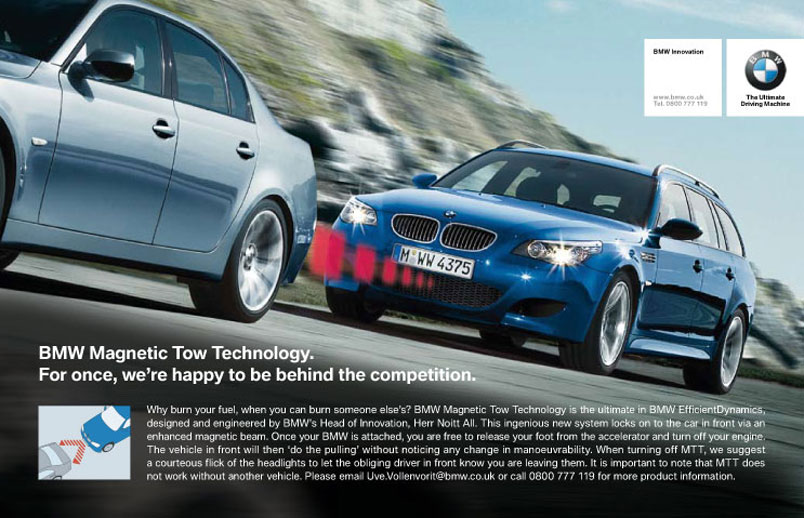
The Prank: BMW announced breakthrough magnetic tow technology allowing drivers to tow caravans without physical connection—vehicles would magnetically attach and follow. The announcement included technical diagrams, engineering explanations, and spokesperson quotes.
Why It Worked: Leveraged BMW’s reputation for engineering innovation to make the impossible seem plausible. Detailed technical specifications added credibility layer. The prank positioned BMW as forward-thinking while showcasing engineering expertise (even fake engineering). Generated over 2 million video views and extensive automotive press coverage.
Key Takeaway: Premium brands can leverage existing reputation for innovation to make absurd claims temporarily believable. Technical depth adds authenticity.
5. REI’s #OptOutside Yodel Button (2016)
The Prank: A hyper-customizable outdoor outfit that pushed modular gear to ridiculous extremes. The pants could zip from full-length to capris, shorts, mini-shorts, and even bikini briefs. Pockets were detachable, and the back pocket flipped into a bum bag. Sleeves included built-in waterproof gloves and a hidden hat pocket. The hood—lined with “ethically sourced biodegradable faux jackalope fur”—converted into a cape or bib. It even featured a dedicated holster for a roasting stick.
Why It Worked: It perfectly spoofed the outdoor industry’s obsession with multi-functional, tech-heavy gear. By stacking feature upon feature to the point of absurdity, the product felt almost believable—making the satire sharper. The humor resonated because it exaggerated a real trend consumers already recognize.
Key Takeaway: Satire works best when it amplifies existing industry behaviors. Exaggerating real product trends creates humor that feels relatable, shareable, and on-brand.
6. ThinkGeek’s Tauntaun Sleeping Bag (2009)
The Prank: ThinkGeek announced a Star Wars-themed sleeping bag shaped like the Tauntaun creature, complete with “authentic intestinal lining” and lightsaber zipper pull. The product page included detailed specs and $99.99 pricing.
Why It Worked: Targeted passionate Star Wars fanbase with insider reference (Han Solo sheltering in Tauntaun in Empire Strikes Back). Demand was so overwhelming ThinkGeek manufactured the product for real, selling out multiple production runs. Demonstrated how April Fools pranks can validate product-market fit.
Key Takeaway: Niche audience targeting with deep cultural references creates passionate engagement. Monitor customer response—pranks revealing genuine demand become profitable products.
7. Taco Bell’s Liberty Bell Purchase (1996)

The Prank: Taco Bell announced via full-page newspaper ads that it had purchased the Liberty Bell to help reduce national debt, renaming it the “Taco Liberty Bell.” The announcement included official-looking press materials and corporate quotes.
Why It Worked: Pre-internet era prank that generated thousands of outraged phone calls to National Park Service before reveal. The audacity (selling national monument to fast food chain) created genuine shock. Generated estimated $25 million in earned media coverage—massive ROI for production costs. Remains referenced as gold standard for bold April Fools marketing.
Key Takeaway: Historical significance—demonstrated April Fools’ potential as major PR opportunity before social media era. Bold concepts generate bigger reactions but require crisis management readiness.
8. Netflix’s “Browse with Flavor” Feature (2021)
The Prank: Netflix announced AI-powered feature that recommends shows based on what users are eating. The campaign included mock UI screenshots showing food-based categories like “Shows to Watch While Eating Cereal” and “Perfect Pizza Pairings.”
Why It Worked: Satirized Netflix’s actual recommendation algorithm complexity while staying within tech-forward brand identity. The humor targeted streaming culture of eating while binge-watching. Social media engagement skyrocketed with users creating their own food-show pairings. Generated 5+ million impressions with zero paid promotion.
Key Takeaway: Self-aware humor about existing product features shows brand confidence. User-generated content extensions amplify campaign reach organically.
9. IKEA’s HUNDSTOL (Dog Furniture, 2020)
The Prank: IKEA introduced complete furniture collection designed specifically for dogs—miniature sofas, beds, and storage solutions in IKEA’s signature Swedish names. Campaign included full catalog pages with assembly instructions and pricing.
Why It Worked: Perfectly mimicked IKEA’s actual product catalog format and naming conventions (HUNDSTOL = “dog chair” in Swedish). Tapped into pet owner market willing to spend on animal comfort. Customer demand led to actual pet furniture line launch. Demonstrated brand understanding of customer passion points.
Key Takeaway: Format consistency (matching real product launches) maximizes believability. Pet-focused pranks consistently generate high engagement and conversion potential.
10. Duolingo’s Push Notification Cease-and-Desist (2023)
The Prank: Duolingo announced they were issuing legal cease-and-desist letters to users who ignored push notifications, escalating to “language learning enforcement officers” conducting home visits. Campaign featured mock legal documents and threatening mascot videos.
Why It Worked: Self-deprecating humor about Duolingo’s notoriously aggressive push notifications (already a meme topic). Leaned into existing brand personality (persistent owl mascot) rather than fighting it. Generated massive social media engagement from users sharing their own notification experiences. Reinforced brand recall through humor about actual app behavior.
Key Takeaway: Acknowledging and amplifying existing user perceptions (even negative ones) through humor builds authenticity. Meme-aware brands gain Gen Z credibility.
Concept Development Framework for Creative April Fools Ads
Great April Fools ideas emerge from systematic ideation, not random inspiration. The framework below structures concept development to maximize creativity while maintaining brand safety and execution feasibility.
Phase 1: Strategic constraints (before ideation)
Define boundaries before brainstorming to prevent wasted creative effort on unviable concepts:
- Budget ceiling: $5K? $50K? Production complexity scales with budget—know limits upfront
- Risk tolerance: Conservative brands avoid controversial humor; disruptive brands lean into edginess
- Production timeline: 6 weeks minimum for video production, 2-3 weeks for static content
- Legal red lines: Healthcare, finance, children’s products face stricter truth-in-advertising standards
- Brand equity stakes: Premium brands risk more reputational damage from failed humor than value brands
Phase 2: Idea generation techniques
Exaggeration method
Take existing product features and amplify to absurdity. Examples: “Our waterproof phone now works underwater…at 10,000 feet depth” or “Fast delivery service now delivers before you order (via time travel).”
Opposite day technique
Announce the exact opposite of brand positioning. Healthy food brand launches junk food line, luxury brand introduces ultra-budget tier, convenience service becomes intentionally inconvenient.
Impossible collaboration
Partner with incompatible brand for absurd co-branded product. Tech company × fashion brand smartwatch made of denim, fast food × luxury car brand drive-thru Ferraris.
Problem-solving parody
Create ridiculous solution to non-existent problem. Self-stirring coffee mug for people too lazy to stir, GPS shoes that guide you when walking to fridge.
Phase 3: Concept filtering (viability assessment)
Run shortlisted ideas through three filters:
- Brand alignment test: Would audience believe this came from us? Does it reinforce or contradict brand values?
- Surprise factor: Is this unexpected enough to generate attention? Has competitor done similar?
- Shareability quotient: Will people want to share this with friends? Does it work as social currency?
Phase 4: Pre-production validation
Before investing in production, test concept with small focus group outside marketing team. Show concept sketch or script to 10-15 employees from different departments. Measure:
- Did they laugh? (humor validation)
- Did they believe it for a moment? (plausibility check)
- Did anyone find it offensive or confusing? (risk detection)
- Would they share it? (virality indicator)
Reference frameworks developed through analyzing best April Fools ads reveal common patterns in successful campaigns—most winning pranks announce fake products that solve real problems in absurd ways, rather than creating entirely fictional scenarios disconnected from actual customer needs.
Production Standards and Format Selection for Creative April Fools Ads

With 82% of internet traffic moving to video, April Fools campaigns should prioritize video-first formats—but production quality determines whether humor lands or falls flat. Low-budget doesn’t mean low-quality; it means strategic resource allocation toward elements that matter most for believability.
Video production tiers (budget-matched approaches)
Micro-budget ($500-2,000)
- Format: Social media native video (smartphone filmed), 15-30 seconds
- Production: In-house team, natural lighting, minimal editing
- Success factors: Authenticity over polish, quick joke delivery, trending audio
- Best for: B2C brands with existing social followings, personality-driven companies
Mid-range ($5,000-15,000)
- Format: Professional commercial parody, 30-90 seconds
- Production: Small production crew, location shoot, basic VFX/graphics
- Success factors: Mimics real ad quality, clear joke setup/punchline structure
- Best for: B2B companies, mid-market brands establishing humor credentials
Premium ($25,000-100,000+)
- Format: Multi-platform campaign (hero video + cutdowns + social assets)
- Production: Full agency creative, talent, advanced VFX, multiple locations
- Success factors: Indistinguishable from real launch until reveal, media-worthy spectacle
- Best for: Enterprise brands, companies competing for earned media coverage
Non-video alternative formats
Fake product pages (e-commerce focus)
- Build realistic product listing on actual website (limited time)
- Include product images, detailed specs, customer reviews (all fake but believable)
- Add to cart functionality leads to April Fools reveal page
- Captures email addresses for retargeting (“Notify me when this becomes real”)
Press release pranks (B2B approach)
- Formal announcement mimicking standard PR format
- Fake executive quotes, fabricated market data, absurd product features
- Distributed via normal PR channels (gains earned media coverage)
- Best for industries where humor is rare (legal, finance, enterprise software)
Production quality requirements (non-negotiables)
- Audio clarity: Bad audio kills humor—invest in decent microphone regardless of budget tier
- Lighting consistency: Amateur lighting signals “fake” before joke lands—use natural light or basic kit
- Brand asset quality: Logos, packaging, graphics should match real brand standards (inconsistency breaks immersion)
- Pacing/timing: Jokes need proper setup—rushing delivery or dragging setup both kill humor
Distribution and Timing in Creative April Fools Ads: Maximizing Reach While Controlling Narrative
April Fools campaigns succeed or fail based on distribution timing and platform selection. Post too early and the joke gets lost in pre-April 1st noise; post too late and audience fatigue sets in. The strategic window: 6:00-10:00 AM local time on April 1st captures attention during morning social media browsing before prank saturation.
Platform-specific strategies
Social media (primary distribution)
- Twitter/X: Real-time conversation hub—post early (6-7 AM), engage with comments, use trending #AprilFools hashtag
- Instagram: Visual-first platform—carousel posts work for multi-image pranks, Reels for video content
- LinkedIn: B2B audience—subtle humor performs better than absurdist pranks, professional tone maintained
- TikTok: Younger demographic—behind-the-scenes “making of prank ad” content extends campaign life
Owned channels (supporting distribution)
- Website: Temporary homepage takeover or dedicated landing page adds legitimacy
- Email: Send to subscriber list with subject line that doesn’t spoil joke (open rate indicator of concept strength)
- App/product: In-app Easter eggs or temporary UI changes delight active users
Earned media (amplification target)
- Tech/marketing press: Sites like AdWeek, The Verge, Mashable cover notable April Fools campaigns
- Industry publications: Trade press coverage reinforces B2B brand positioning
- News aggregators: Reddit, Hacker News, Twitter Moments extend organic reach
Timeline management (24-hour lifecycle)
- 6:00-9:00 AM: Launch campaign, monitor initial reactions, engage early commenters
- 9:00 AM-12:00 PM: Peak sharing window—amplify top-performing posts, respond to media inquiries
- 12:00-5:00 PM: Maintain engagement, share user-generated content, tease behind-the-scenes
- 5:00-8:00 PM: Post reveal/recap content, thank participants, transition to regular content
- April 2+: Publish campaign metrics, share “making of” content, document learnings
International considerations (global brands)
April Fools lands differently across cultures—US/UK embrace pranks enthusiastically, while some European/Asian markets find corporate humor inappropriate. Global brands either create region-specific campaigns or focus on markets where humor advertising succeeds. Never force April Fools content into markets where cultural fit is questionable.
Risk Mitigation in Creative April Fools Ads: Avoiding Backfire Through Strategic Guardrails
Failed April Fools campaigns damage brand trust more severely than successful campaigns build it—the asymmetric risk profile demands conservative guardrails. Common failure modes: jokes that offend (misjudged cultural sensitivity), confuse (too realistic or too obscure), or disappoint (customers genuinely want the fake product).
Red flag topics (avoid entirely)
- Health/safety: Fake product recalls, medical claims, safety incidents—creates unnecessary panic
- Financial harm: Fake pricing changes, bankruptcy announcements, acquisition rumors—impacts shareholder value
- Protected groups: Humor targeting race, religion, disability, gender identity—alienates audiences
- Current tragedies: Referencing recent disasters or sensitive events—appears tone-deaf
- Competitors: Directly mocking competitors—risks legal issues and appears desperate
Legal review requirements
- Truth-in-advertising laws: Heavily regulated industries (finance, healthcare, alcohol) must clearly mark pranks as jokes
- Trademark/IP: Fake partnerships or co-branding require partner approval even for pranks
- Stock price sensitivity: Public companies must avoid material misrepresentations that could affect trading
- FTC guidelines: Influencer partnerships in April Fools content still require disclosure
Pre-launch testing protocol
Diverse feedback panel
Show concept to people across demographics, departments, seniority levels. Ask specifically: “Could this offend anyone?” not just “Is this funny?” Homogeneous teams miss blind spots.
Plausibility calibration
If 80%+ of test audience believes announcement is real, it’s too realistic—add obvious absurdist elements. If 0% believe it could be real, it’s too silly—add plausibility anchors.
Crisis communication plan
Prepare responses for three scenarios: (1) customers taking joke seriously and getting upset, (2) media misinterpreting prank as real news, (3) unexpected negative reactions. Have clarification statement ready to deploy within 1 hour if needed.
Industry-specific risk factors
Strategic approaches developed through analyzing frameworks such as best practices for tourism advertising demonstrate how service industries balance promotional messaging with experience delivery—similar tensions apply to April Fools campaigns where brands must balance humor with maintaining service quality perceptions and avoiding customer confusion about actual offerings.
- Healthcare: Extremely high risk—medical misinformation concerns override humor potential
- Finance/insurance: High risk—regulatory scrutiny and consumer protection laws limit creative freedom
- Retail/fashion: Medium risk—product pranks work well but pricing jokes can frustrate, applying lessons from best practices for clothing advertising where visual storytelling and brand positioning must remain consistent even in humor campaigns to avoid diluting premium positioning or confusing product value propositions
- Hospitality/travel: Low risk—absurd destination or service pranks rarely cause harm, though campaigns should maintain service quality expectations explored through best practices for hotel advertising where guest experience promises and brand luxury positioning require careful humor calibration to avoid undermining premium service perceptions
- Tech/software: Low risk—audience expects innovation humor, fake product launches feel authentic
Measurement and ROI Tracking: Quantifying Creative April Fools Ads Success
April Fools campaigns deliver measurable business value beyond entertainment—track engagement metrics, brand lift, earned media value, and conversion impact to justify continued investment. The challenge: separating April 1st noise from genuine performance signals requires baseline comparisons and attribution modeling.
Engagement and Reach
- Social media engagement: Likes, comments, shares—compare to average post performance (5-10x typical engagement indicates strong campaign)
- Video views: Total views, completion rate, average watch time (high completion = joke landed effectively)
- Impressions/reach: Organic reach from shares, paid amplification if used, estimated total audience
- Hashtag performance: Branded hashtag usage, trending status, user-generated content volume
Brand Impact
- Brand search lift: Google Trends spike on brand name April 1-3 (indicates awareness increase)
- Follower growth: Net new social followers gained during campaign period
- Sentiment analysis: Positive vs. negative mentions (should be 80%+ positive for successful campaign)
- Share of voice: Brand mentions vs. competitor mentions on April 1st
Business Outcomes
- Website traffic: Spike in site visits April 1-3, pages per session (indicates genuine interest beyond joke)
- Email list growth: Newsletter signups, “notify me” registrations for fake product
- Conversion lift: Sales/leads increase during campaign week vs. baseline (humor creates halo effect)
- Customer acquisition cost: Cost per new customer from campaign traffic (cheaper than paid ads = success)
Earned media value calculation
Quantify press coverage by multiplying reach by equivalent ad value:
- Article in major publication (1M readers) = $50K-100K equivalent ad spend
- TV segment mention (500K viewers) = $25K-50K equivalent
- Industry blog coverage (50K readers) = $5K-10K equivalent
Sum total earned media value and compare to campaign production cost. Ratio above 3:1 (earned value to production cost) indicates strong ROI.
Long-term brand tracking (post-campaign monitoring)
- Brand recall surveys: Do consumers remember campaign 30/60/90 days later?
- Brand attribute shifts: Did “fun” or “innovative” brand associations increase?
- Share of voice sustainability: Does elevated April 1st attention carry into following weeks?
- Repeat engagement: Do new followers/subscribers from campaign remain engaged?
Industry-Specific Approaches: Tailoring Creative April Fools Ads to Sector Norms

Different industries require different humor calibration—what works for fast food brands fails for financial institutions. Match prank complexity to audience expectations and industry conventions.
Tech/Software (highest creative freedom)
- Typical pranks: Absurd product features, impossible innovations, satirical acquisitions
- Success factors: Audience expects innovation humor, tech literacy enables sophisticated jokes
- Examples: Google Maps Pac-Man mode, GitHub time travel commits, ThinkGeek fake gadgets
Food/Beverage (visual-driven humor)
- Typical pranks: Bizarre flavor combinations, impossible menu items, absurd serving sizes
- Success factors: Visual appeal, appetite-triggering imagery despite absurdity
- Examples: Burger King chocolate Whopper, Arby’s venison burger, Taco Bell Liberty Bell purchase
Retail/E-commerce (product-focused)
- Typical pranks: Ridiculous product launches, impossible inventory, absurd partnerships
- Success factors: Leverages existing e-commerce infrastructure for fake listings
- Examples: Amazon Petlexa (pet translator), REI yodel button, IKEA furniture for cats
B2B/Enterprise (subtle sophistication)
- Typical pranks: Industry-insider jokes, satirical whitepapers, mock case studies
- Success factors: Professional tone maintained, humor requires domain knowledge
- Examples: Salesforce blockchain for everything, Slack AI standup bot, HubSpot coffee-to-lead ratio
Finance/Professional Services (conservative approach)
- Typical pranks: Gentle product updates, mild self-deprecation, educational humor
- Success factors: Maintains trust while showing personality, avoids confusing service changes
- Recommendation: Consider skipping April Fools entirely if brand hasn’t established humor credentials—forced jokes damage more than help
FAQs: Creative April Fools Ads
What makes an April Fools ad successful vs. one that backfires?
How much budget should we allocate to April Fools campaigns?
Should small businesses participate in April Fools advertising?
What are the biggest mistakes to avoid?
How do we measure success beyond social media engagement?
Conclusion
The long-term value extends beyond single-day viral moments. April Fools campaigns that align with brand personality establish permission for year-round casual communication, humanizing companies through self-aware humor while building owned media assets (email lists, social followers) that reduce customer acquisition costs over time. With 82% of internet traffic moving to video by year-end 2025, brands investing in video-first April Fools content simultaneously test creative capabilities, build production competencies, and capture audience attention in formats that will dominate marketing for years ahead.