
Weight loss advertising is one of the most competitive (and most regulated) categories in performance marketing. The brands that win don’t rely on hype—they build trust-first systems: clear claims, credible proof, compliant creative, and a landing page that answers objections fast. This guide breaks down what’s working across weight loss ads today—from weight loss ads on Facebook and Instagram weight loss ads to weight loss advertisements on TV, email drops, and even weight loss solo ads.
You’ll also get a practical compliance checklist (FTC + platform-friendly), a swipe-file of diet ads hooks you can adapt, and a launch playbook to run safer, higher-converting campaigns—without account risk.
Why Weight Loss Advertising Converts (and why it’s hard to do safely)

People don’t click weight loss ads because they love ads. They click because weight loss is tied to identity, confidence, health, and daily pain points—meaning motivation is high, but skepticism is higher.
That’s why the best campaigns are built like a trust funnel: claim → proof → safety → action.
- Compliance pressure: misleading claims can trigger enforcement, refunds, and ad account risk.
- Platform sensitivity: “before/after,” shaming language, or personal-attribute targeting can get disapproved.
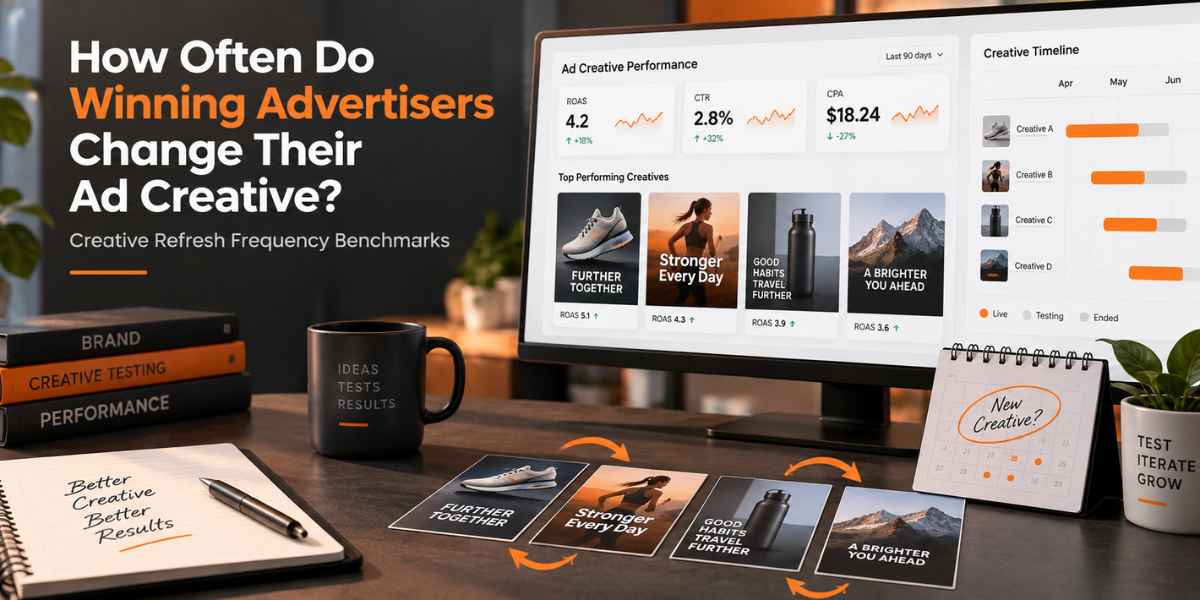
- Ad fatigue is fast: everyone uses the same hooks—so you need a repeatable creative system, not one “winning ad.”
The upside: once you solve trust + compliance, you can scale across adjacent categories too.
Performance patterns you learn here often translate to other high-intent verticals—whether you’re running more creative-led categories like clothing ads and seasonal content such as April Fools’ ads.
Key stats that shape weight loss ad strategy (market + performance reality)
Links: WHO, Mordor, WordStream.
Channel map: what to run on Facebook, Instagram, TV, and solo ads (without forcing one ad to do everything)
Most weight loss ads on Facebook fail because they try to do five jobs at once.
Instead, map each channel to a single goal: attention, trust, or conversion.
| Channel | Best ad types | What “wins” |
|---|---|---|
| Facebook (lead gen + retargeting) | UGC testimonial (compliant), problem/solution video, offer + quiz funnel | One clear claim + proof stack + low-friction CTA |
| Instagram (Reels + Stories) | Creator-style Reels, day-in-the-life, “what I eat” (careful), routine clips | Relatability + fast pacing + simple CTA |
| TV (brand + legitimacy) | Brand story, expert positioning, “program credibility” narrative | Authority cues (not miracle claims) + memorable promise |
| Solo ads / email drops (direct response) | Lead magnet angle, quiz, challenge offer, webinar/consult call | High-clarity headline + tight segmentation + congruent landing page |
Pro tip: treat your landing page like a “trust receipt.” People arrive with doubt.
Your job is to show safety, outcomes, and process. This is the same principle in other high-consideration categories—whether it’s booking via hotel ads (reduce booking anxiety) or scaling trend-driven offers through dropshipping ads (reduce “is this real?” friction).
Creative Patterns Behind High-Performing Weight Loss Advertising (without risky claims)
If you want weight loss advertising that scales, don’t start with visuals.
Start with a mechanism. Below are patterns you can reuse across
diet ads, coaching, apps, meal plans, supplements, and clinics.
When you make the first step small, conversion friction drops.
Then you upsell the longer program after the buyer has momentum.
Quick hook library (rewrite these 10 ways each):
- “If you’ve tried everything…”
- “The plan that finally feels realistic…”
- “Here’s what changed when I stopped doing X…”
- “A routine for people who hate routines…”
- “Not a detox. A system.”
Compliance Playbook for Weight Loss Advertising (FTC-friendly + platform-safe)
You can have the best creative in the world and still lose if your claims aren’t supportable.
Use this as a practical checklist—not legal advice—and validate your claims with qualified counsel when needed.
A useful starting point is the FTC’s consumer guidance on weight-loss advertising claims and red flags.
- Don’t promise guaranteed outcomes. Prefer: “may help,” “designed to support,” “results vary.”
- Be specific about what your program is. Coaching? Meal plan? App? Clinic? Supplement? Say it plainly.
- Avoid unrealistic speed claims. If you mention timelines, ensure you can substantiate and include variability.
- Be careful with testimonials. Don’t imply typical results if they’re exceptional—add context and disclosures.
- Skip “before/after” if it increases risk. Use “day-in-the-life” and “process proof” instead.
- Avoid shaming or personal-attribute targeting language. Make the ad about goals, not identity.
- Hook: a relatable problem (“I couldn’t stay consistent”).
- Mechanism: what changed (routine, plan, accountability, nutrition structure).
- Proof: credibility + social proof (“coach-led,” “review highlights,” “what’s included”).
- CTA: low-friction next step (quiz, consult, trial, guide).
Helpful references: FTC: Truth Behind Weight-Loss Ads. For platform-specific constraints, review Meta’s advertising policies and any “personal attributes” or “health” sections relevant to your creatives.
Launch playbook: How to Scale Weight Loss Advertising Without Burning the Account (or the audience)

Use this as a repeatable 14-day system. The goal is not just “a winner.”
The goal is a creative pipeline that can survive compliance, ad fatigue, and attribution noise.
1) Pick one offer promise (one job only)
- Program transformation: coaching, accountability, structured plan.
- Convenience transformation: meal prep, simpler routine, habit automation.
- Confidence transformation: energy, strength, consistency, lifestyle.
2) Build a minimum viable creative set (so you don’t die of fatigue)
- 1 hero video (20–45s): problem → mechanism → proof → CTA.
- 5 cutdowns (6–12s): 5 different hooks, same offer.
- 6 statics: 3 mechanism-first, 3 proof-first.
- 2 landing page variants: one “quiz-first,” one “proof-first.”
3) Build your “proof stack” on the landing page
Your ad should start trust. Your landing page should finish it.
Include: what’s inside, who it’s for, what’s required (effort/time), safety notes where relevant, FAQs, reviews, and a clear next step.
Most campaign losses are post-click—not in the scroll.
4) Scale what repeats (not what you personally like)
- Scale patterns: if “process proof” wins, produce 10 more process videos.
- Scale angles: if “consistency” wins, build a consistency series across 5 creators.
- Scale audiences: broaden once the creative is stable and compliant.
How AdSpyder Helps You Build Better Weight Loss Advertising (faster, safer, with less guesswork)
In categories like weight loss advertising, the biggest advantage is iteration speed.
When you can see what’s running in-market, you stop debating creative in a vacuum—and you avoid repeating risky patterns.
- Angle scan: identify repeated winning angles (habit reset, energy, strength, meal structure, accountability).
- Offer scan: track how brands frame trials, consult calls, challenges, bundles, and guarantees.
- Compliance-safe patterns: spot which brands avoid risky assets (before/after, shaming) and how they still persuade.
- Landing page audit: compare proof stacks, disclaimers, FAQs, and CTA flow to reduce drop-offs.
- Variant builder: create 3–5 compliant variants per concept and test by hook + format.
Once you have a working system, you can port the learnings to other high-intent verticals—whether that’s regulated creative environments like prescription drug advertising,
or rapid-testing categories like dropshipping ads.
FAQs: Weight Loss Advertising
What makes weight loss ads convert in 2026?
Are before-and-after images allowed for weight loss ads?
What’s the best platform for weight loss ads: Facebook or Instagram?
What should a compliant weight loss landing page include?
Do weight loss solo ads still work?
What’s a realistic KPI baseline for weight loss lead-gen ads?
How can I find winning weight loss ad creatives quickly?
Conclusion
The best weight loss advertising doesn’t rely on shock claims. It builds trust fast with process proof, credibility, and respectful language—then converts with a simple next step. Treat this category like a system: build a creative series, map formats to intent, keep claims supportable, and iterate quickly. That’s how you scale weight loss ads without burning the account (or the audience).