










How AdSpyder Works for Pet Brands
Research
- •Analyze competitor pet product ads
- •Identify high-performing creatives
- •Discover targeting insights
Generate
- •AI-powered ad creation for pet brands
- •Ready-to-use pet product templates
- •Auto-generated ad copy for offers & promotions
Track & Optimise
- •Track ad performance across platforms
- •Optimize based on AI recommendations
- •Improve ROAS & reduce wasted ad spend
Your Challenges, Our Solutions
Every challenge has a solution. See how AdSpyder addresses the most common pet product marketing obstacles.
Challenge:
High competition from major pet retailers and online marketplaces
AI-Optimized Ad Templates for Pet Products
Access hundreds of proven pet product ad templates optimized by AI for maximum engagement and conversions, helping you stand out from competitors.
Challenge:
Low conversion from cold traffic
Geo-targeting for Local Pet Store Growth
Target pet owners in your local area with precision to maximize in-store visits and online orders, turning cold traffic into loyal customers.
Challenge:
Difficulty promoting seasonal offers & new products
Seasonal Campaign Suggestions
Get AI-powered campaign ideas for pet adoption awareness, holiday gifts, and seasonal pet care products that resonate with pet owners.
Challenge:
Ad fatigue due to repetitive creatives
Competitor Ad Research for Pet Brands
Analyze what's working for other pet brands in your market and adapt winning strategies to keep your creatives fresh and engaging.
Challenge:
Rising cost per acquisition for new customers
Automated Multi-Platform Tracking
Track performance across Meta, Google, TikTok, and more from a single unified dashboard to optimize spending and reduce cost per acquisition.
See What's Possible

Problem:
A local pet store struggled with low online visibility and rising customer acquisition costs, making it difficult to compete with major online retailers.
What AdSpyder Did:
- Used AI to generate pet-focused ad creatives
- Identified competitor winning strategies
- Optimized targeting across Meta & Google
Result:
Features Tailored for Pet Brands
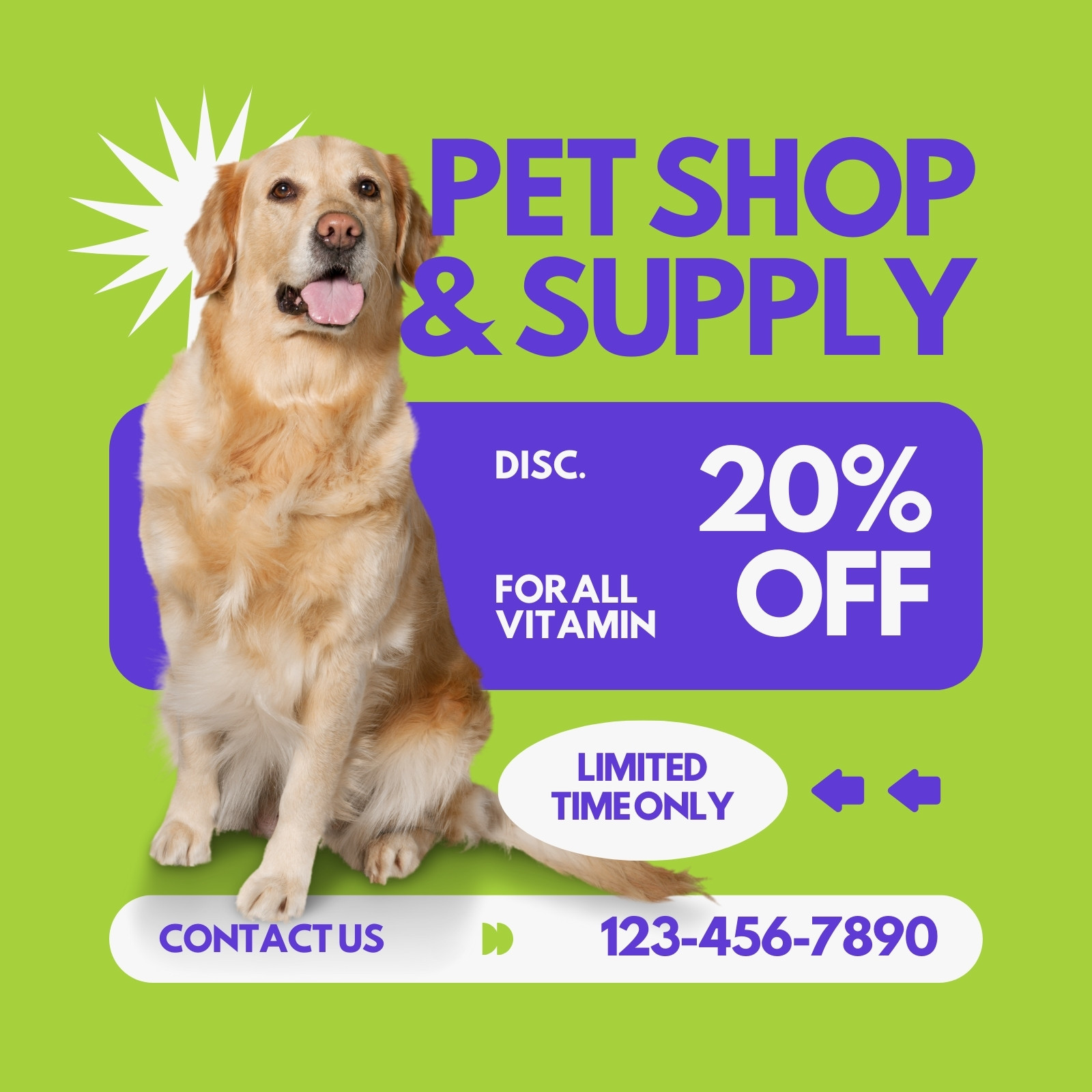
Pet Product Offer Templates
Pre-built templates for product launches, seasonal sales, and special promotions.
E-commerce Integration
Seamlessly connect your online store with ad campaigns to drive direct product sales.
Pet Adoption Campaign Tools
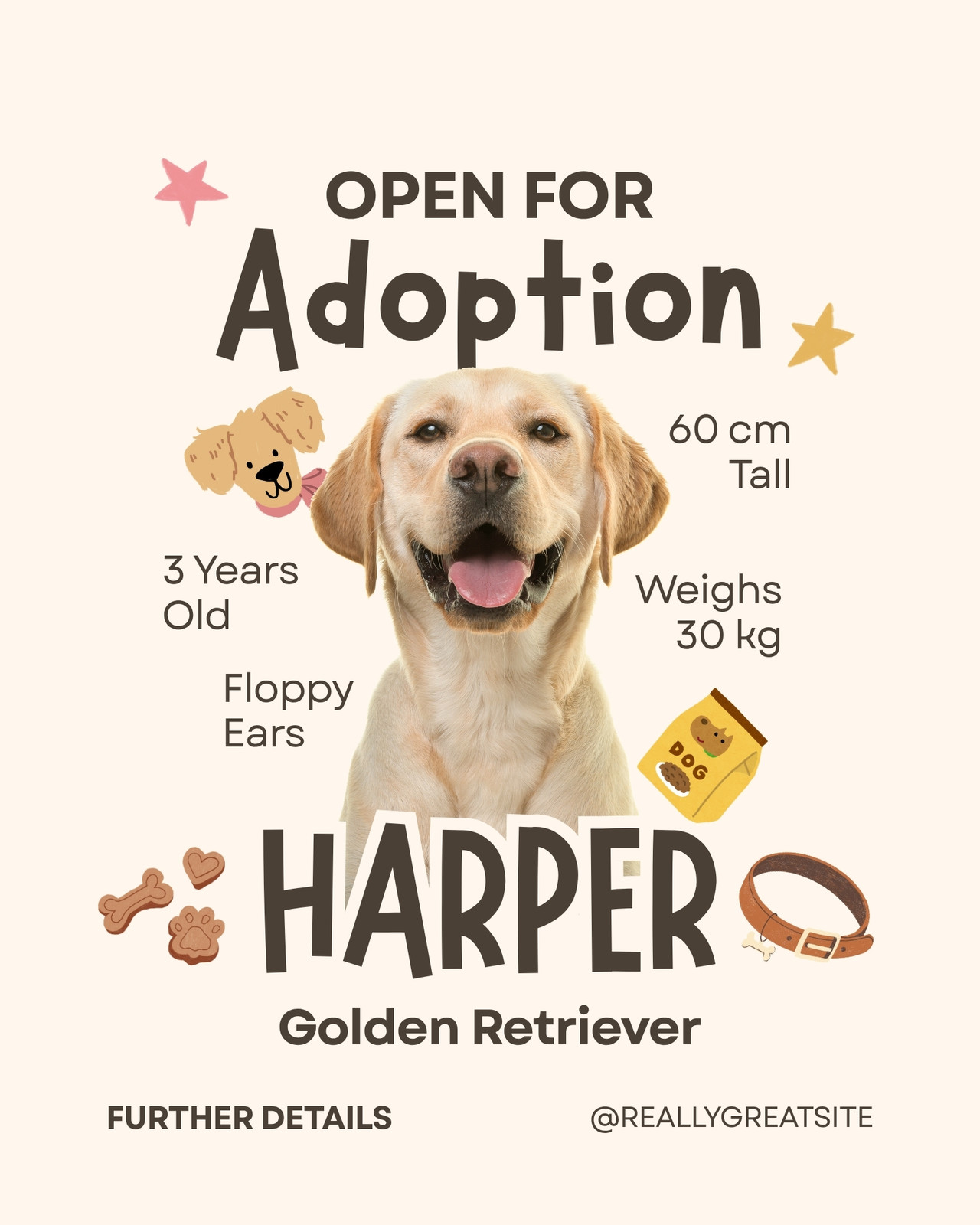
Specialized tools for shelters and rescues to promote adoptable pets effectively.
Customer Loyalty Campaigns
Automated campaigns to retain customers and encourage repeat purchases.
Video/Reels Ad Generator
Create engaging video ads featuring products, pets, and customer testimonials.
Local Store Awareness Tools
Hyper-local targeting to reach pet owners near your physical store locations.
How To Run Pet Product Ads That Convert
Essential insights for pet brand marketers on creating effective advertising campaigns
Understanding Your Target Audience for Pet Product Advertising
Running successful pet product ads starts with deeply understanding who you're trying to reach. Pet marketers often struggle with broad targeting that wastes budget on uninterested audiences. The key is to segment your audience based on pet types, owner demographics, and purchasing behaviors.
Consider that a young cat owner looking for interactive toys has completely different needs than a senior dog owner seeking orthopedic beds. Your ad creative, messaging, and product focus should reflect these distinctions.

Active Dog Parent
Age 25-35Young professionals with energetic dogs seeking quality products for active lifestyles. They value convenience, durability, and innovative pet solutions.

Senior Cat Companion
Age 60+Mature pet owners prioritizing comfort and health for their feline friends. They seek gentle, safe products and appreciate excellent customer service.

Multi-Pet Household
Age 35-45Families managing multiple pets looking for value bundles and versatile products. They need practical solutions that work for different pet types.

Premium Pet Parent
Age 25-40Health-conscious owners investing in premium, organic products for their pets. They research extensively and prioritize quality over price.
Creating Compelling Visual Content for Pet Product Ads
Visual content is the cornerstone of effective pet product advertising. Pet brands that showcase real animals using their products consistently outperform those using stock imagery. The most successful ads feature authentic pets, happy moments, and clear product demonstrations.
Video content showing pets interacting with products generates 4-6x higher engagement than static images. User-generated content from satisfied customers provides authentic social proof that resonates with pet owners.
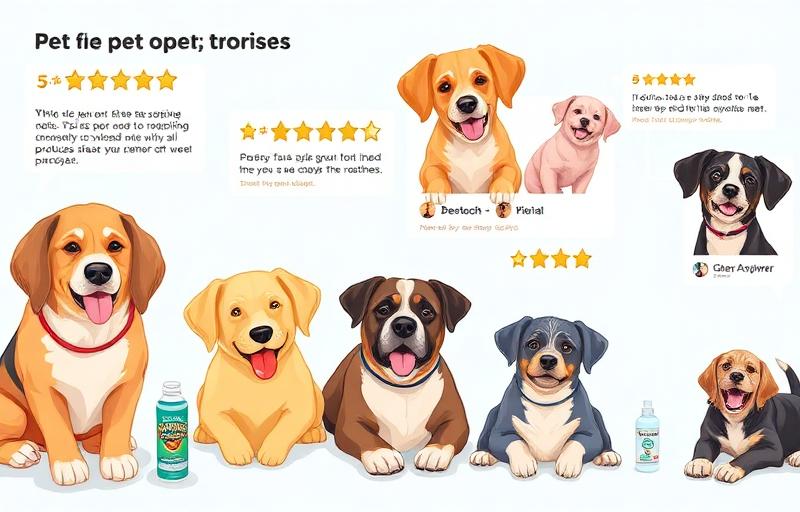
Customer Testimonials
Showcase authentic reviews and happy pets using your products. Real customer photos with ratings build immediate trust and social proof.

Product in Action
Capture pets actively playing with and enjoying your products. Action shots showing genuine reactions demonstrate value better than static images.

Product Showcases
Highlight premium quality with beautiful product photography. Clean, professional images emphasize craftsmanship and attention to detail.

User-Generated Content
Leverage authentic customer photos from social media. Real pet owners sharing their experiences creates relatable, trustworthy advertising.
Optimizing Ad Copy for Pet Product Promotions
Writing effective ad copy for pet products requires balancing emotional connection with practical benefits. Many pet marketers make the mistake of using generic phrases without addressing specific pet owner concerns or desires.
The most effective pet product ad copy speaks directly to pet owners' love for their animals while highlighting tangible benefits: durability, safety, health improvements, or convenience. Addressing common pain points like destructive chewing, anxiety, or picky eating drives higher conversion rates.
- Emotional connection: Lead with the pet-owner bond, then emphasize product benefits
- Specific benefit promises: "Reduce anxiety in 30 minutes" performs better than "Calm your pet"
- Social proof integration: Include customer reviews, ratings, or veterinarian endorsements
- Urgency and scarcity: Limited-time offers or low stock alerts drive faster purchasing decisions
- Clear call-to-action: Specify exactly what action to take (shop now, learn more, claim discount)
Platform Selection and Budget Allocation Strategies
Choosing the right advertising platforms for pet product marketing significantly impacts campaign ROI. Many pet brands spread their budget too thin across multiple platforms without understanding where pet owners are most engaged.
Facebook and Instagram dominate pet product advertising due to their visual nature and pet-loving user base. TikTok has emerged as a powerhouse for viral pet content. Pinterest works exceptionally well for premium pet accessories and home décor items. Google Shopping captures high-intent buyers actively searching for specific products.
- Facebook/Instagram advantage: Instagram and Facebook ads for pet products are best for brand awareness, visual storytelling, and detailed targeting of pet owners
- TikTok for viral reach: Perfect for fun, authentic pet content that can reach millions organically
- Google Shopping for intent: With Google ads for pet supplies, you capture people actively searching for pet products
- Amazon and Pinterest for discovery: Pinterest and Amazon ads for pet products are ideal for premium products and reaching pet owners planning purchases
- Budget testing strategy: Start with 60% on proven platforms, allocate 40% for testing new channels
Tracking Performance and Reducing Cost Per Acquisition
One of the biggest challenges pet product marketers face is accurately tracking campaign performance and understanding true customer acquisition cost. Many brands struggle with disconnected data across platforms and online/offline sales channels. This is especially necessary for pet subscription boxes and repeat purchase products.
Effective tracking requires implementing proper conversion pixels, UTM parameters, and e-commerce integration to follow the complete customer journey from ad exposure to purchase. Pet products often have long consideration periods, making multi-touch attribution essential.
- Multi-touch attribution: Pet owners typically research before buying—track all touchpoints
- Key metrics focus: Track CAC, average order value, customer lifetime value, and repeat purchase rate
- Platform-specific optimization: Each platform has unique algorithms requiring different approaches
- A/B testing discipline: Test product images, lifestyle shots, and video formats
- Seasonal adjustment: Pet product demand varies by season—adjust budgets accordingly
- Location based targeting: Local pet supplies advertising makes your brands stand out from the crowd - track performance by location to optimize ad spend
Leveraging User-Generated Content and Pet Influencers
User-generated content (UGC) and pet influencer partnerships have become essential for successful pet product advertising. Pet owners trust real experiences from other pet parents more than traditional brand messaging, making authentic content crucial for conversion.
Encouraging customers to share photos and videos of their pets using your products creates a steady stream of authentic advertising content. Partnering with micro-influencers (pet accounts with 10K-100K followers) often delivers better ROI than celebrity pet influencers due to higher engagement rates and lower costs.
- UGC campaigns: Incentivize customers with discounts or features for sharing pet photos with products
- Micro-influencer strategy: Partner with engaged pet accounts in your niche for authentic promotion
- Rights and permissions: Always secure proper rights to use customer content in advertising
- Community building: Create branded hashtags and foster a community around your products
- Performance tracking: Measure influencer campaign ROI through unique codes and affiliate links
What Pet Brands Say
"AdSpyder helped us boost online sales by 300% within 2 months. The AI-generated ads connected perfectly with pet owners."

PawsomePets Store
E-commerce Director
"We reduced our cost per acquisition by 60% while reaching more qualified pet owners. The competitor insights are invaluable."

BarkBox Boutique
Marketing Manager
"The seasonal campaign suggestions helped us launch our holiday pet gift collection with record-breaking results."

FurryFriends Supply
Founder